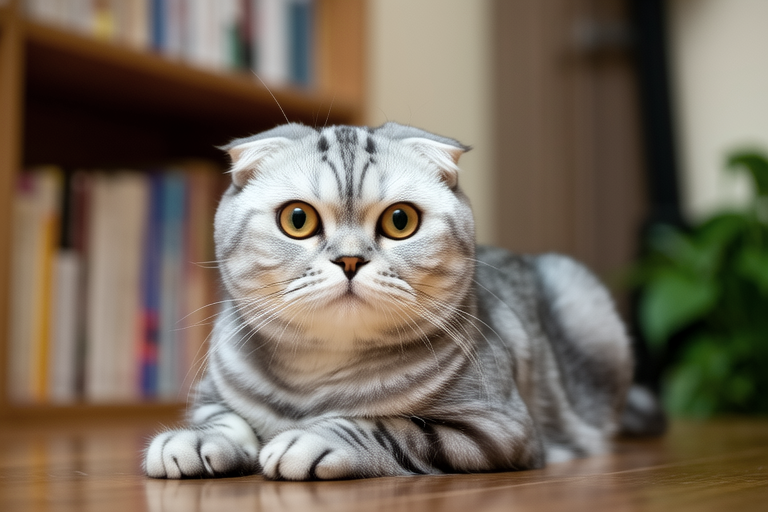
Meet the Mysterious Fold: Unveiling the Charm of Scottish Fold Cats
The world of feline companions is vast and varied, but one breed stands out for its unique charm and captivating appearance – the Scottish Fold. These cats are known for their distinctive folded ears and round faces, which give them a look that is both adorable and mysterious. In this article, we will delve into the fascinating world of Scottish Folds, exploring their origins, characteristics, temperament, care requirements, and the special bonds they form with their human companions.
Unique Physical Characteristics
The most striking feature of the Scottish Fold is, without a doubt, their folded ears. This trait is caused by a natural genetic mutation that affects the cartilage in their ear structure, causing the ears to fold forward and downward. The folds can vary in severity; some cats have only a slight bend, while others have ears that fold tightly against their heads. Regardless of the degree of folding, all Scottish Folds possess an endearing, owl-like appearance that is hard to resist.
Complementing their folded ears, Scottish Folds also have round faces, large expressive eyes, and plump cheeks, which contribute to their overall charming and gentle demeanor. Their medium-sized bodies are compact and well-muscled, with short legs and a thick, plush coat that comes in various colors and patterns. The combination of these features creates a cat that is as visually appealing as it is delightful to interact with.
Breed Origin and History
The story of the Scottish Fold begins in the 1960s in Scotland, when a white barn cat named Susie was discovered with unusual folded ears. Susie lived near a farm owned by William Ross, who noticed her distinct appearance and became intrigued. He began breeding Susie with local cats, eventually producing kittens with folded ears, marking the beginning of the Scottish Fold breed.
Recognizing the uniqueness of these cats, Ross worked to establish the breed and promote it within the cat fancy community. In 1978, the Cat Fanciers’ Association (CFA) recognized the Scottish Fold, solidifying its place among other pedigreed breeds. Despite facing some controversy due to concerns over health issues associated with the folded ear gene, the Scottish Fold has continued to grow in popularity, with many enthusiasts appreciating their distinctive looks and loving personalities.
Temperament and Personality Traits
Scottish Folds are renowned for their friendly and affectionate nature, making them ideal companions for families and individuals alike. They are known for their calm and even-tempered disposition, often described as being more dog-like in their behavior than typical cats. Many owners report that their Scottish Folds enjoy interacting with humans, following them around the house, and participating in family activities.
These cats are generally good-natured and patient, which makes them excellent choices for households with children or other pets. They tend to be curious and playful, often engaging in interactive play sessions with toys or games. However, they also appreciate quiet moments and can be content lounging in laps or observing their surroundings from a favorite spot.
One of the most endearing qualities of Scottish Folds is their vocalization. While not particularly loud, they are known for chirping, trilling, and making soft cooing sounds, especially when communicating with their owners. This unique form of communication adds to the special bond that develops between owner and pet.
Care Requirements
Proper care is essential for maintaining the health and happiness of any cat, and Scottish Folds are no exception. Regular grooming is necessary to keep their coats healthy and free of mats. Due to their dense fur, they may require more frequent brushing during shedding seasons to prevent hairballs and skin irritation.
Feeding a high-quality diet tailored to their age, weight, and activity level is crucial for ensuring optimal health. Owners should consult with their veterinarian to determine the appropriate type and amount of food for their Scottish Fold. Fresh water should always be available, and it is important to monitor for any signs of dehydration or changes in appetite.
Exercise and mental stimulation are also vital components of care. Providing opportunities for play and exploration can help keep your Scottish Fold physically active and mentally engaged. Interactive toys, climbing structures, and scratching posts can encourage healthy behaviors and prevent boredom.
Health Considerations
While Scottish Folds are generally healthy cats, there are some health considerations specific to the breed. The most significant concern is osteochondrodysplasia, a condition related to the same genetic mutation responsible for their folded ears. This condition can lead to joint problems, particularly in the tail, legs, and spine. Affected cats may experience pain, stiffness, and reduced mobility.
To minimize the risk of health issues, responsible breeding practices are crucial. Reputable breeders carefully select pairs to avoid mating closely related individuals and reduce the likelihood of passing on harmful genes. Potential owners should inquire about the health status of the parents and ask for documentation verifying any necessary screenings or tests.
Regular veterinary check-ups are essential for early detection and management of any potential health problems. Vaccinations, parasite prevention, dental care, and routine blood work can help ensure that your Scottish Fold remains in peak condition throughout its life.
Common Misconceptions
Despite their growing popularity, there are several misconceptions surrounding Scottish Folds. One common myth is that all Scottish Folds suffer from severe health problems. While it is true that certain genetic factors can predispose them to specific conditions, many Scottish Folds live long, healthy lives when provided with proper care and attention.
Another misconception is that their folded ears make them more prone to ear infections. In reality, the folded ears do not significantly increase the risk of infections, and regular cleaning and care can help maintain ear health. It is important for owners to learn proper grooming techniques and consult with their veterinarian if they notice any signs of discomfort or infection.
Some people believe that Scottish Folds require less social interaction due to their calm nature. However, these cats thrive on companionship and enjoy spending time with their human families. Neglecting their need for social engagement can lead to behavioral issues or emotional distress.
The Special Bond
The relationship between a Scottish Fold and its owner is often described as a deep and meaningful connection. These cats are known for forming strong bonds with their human companions, providing comfort, companionship, and joy. Many owners report feeling a sense of peace and contentment when spending time with their Scottish Folds, whether cuddling on the couch or simply enjoying each other’s company.
The unique blend of appearance, temperament, and personality traits makes Scottish Folds truly special. Their ability to adapt to different living situations, combined with their affectionate and loyal nature, ensures that they continue to capture hearts around the world. Whether you’re a seasoned cat lover or considering adding a feline companion to your household, the Scottish Fold offers a unique and rewarding experience that is sure to enrich your life.
