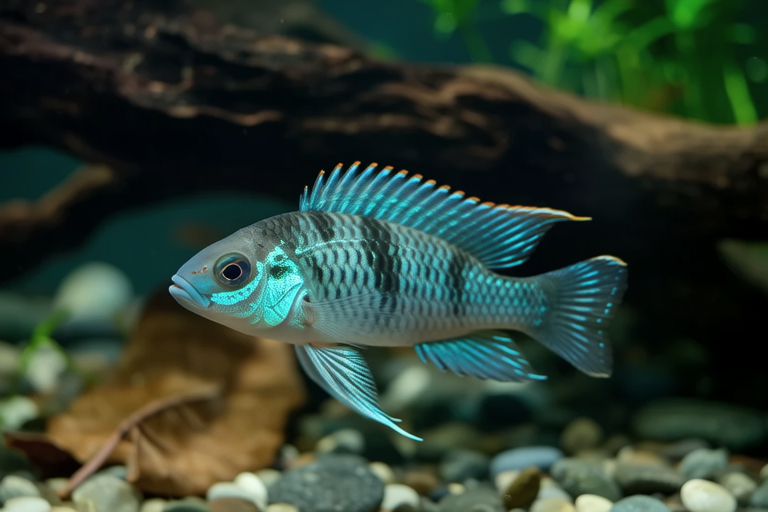
The Enigmatic Rajah Cichlid: Unraveling Its Mysterious Behaviors
The Rajah Cichlid (Vicarius zenkeri) is a captivating fish species that has intrigued both hobbyists and scientists alike. This cichlid, native to the Congo River Basin, displays unique behaviors and mysterious patterns that make it a subject of fascination. In this article, we will explore its habitat preferences, social interactions, breeding habits, dietary needs, and how these factors influence its enigmatic behavior. We’ll also provide insights from scientific observations, anecdotal evidence from experienced aquarists, and tips for aquarium owners interested in maintaining this species.
Habitat Preferences
The Rajah Cichlid thrives in the warm, murky waters of the Congo River Basin, where it shares its environment with various other cichlid species. These fish prefer areas with plenty of cover, such as dense vegetation, submerged logs, and rocky crevices. In the wild, they are often found near the riverbed, where they can easily hunt for food and hide from potential predators.
For aquarium owners, replicating these conditions is crucial for the well-being of the Rajah Cichlid. A spacious tank with a sandy or gravel substrate, along with numerous hiding spots and plants, will help create an environment that mimics their natural habitat. It’s essential to maintain a stable water temperature between 75°F and 82°F (24°C and 28°C) and ensure the pH level remains within the range of 6.5 to 7.5. Regular water changes and efficient filtration systems are necessary to keep the water quality high and prevent the buildup of harmful substances.
Social Interactions
Rajah Cichlids are known for their complex social interactions, which can vary depending on the individual fish and the specific tank setup. In general, these cichlids are semi-aggressive and territorial, especially during feeding times and when defending their spawning sites. They can coexist with other peaceful fish, but it’s important to choose tankmates carefully to avoid conflicts.
Anecdotal evidence from experienced aquarists suggests that providing ample space and hiding spots can reduce aggression among Rajah Cichlids. Some hobbyists have reported success by introducing multiple hiding spots and ensuring there are enough territories for each fish. However, it’s crucial to monitor the tank closely, as aggression can still occur, particularly during breeding periods.
Unique Behaviors
The Rajah Cichlid exhibits several unique behaviors that contribute to its enigmatic nature. One of the most notable is its ability to change coloration based on its mood and surroundings. When threatened or excited, the fish may display brighter colors, while in more relaxed states, it tends to adopt a more subdued appearance. This color-changing ability is part of the cichlid’s communication system, helping them signal their intentions to other fish.
Another fascinating behavior is their method of digging for food. Rajah Cichlids are bottom-dwelling fish that use their mouths to sift through the substrate in search of small invertebrates, plant matter, and detritus. This digging behavior not only helps them find food but also aids in maintaining the health of the aquarium by redistributing nutrients throughout the tank.
Breeding Habits
Rajah Cichlids are monogamous breeders that form long-term pair bonds. During courtship, the male will perform elaborate displays, including flaring his fins and chasing the female around the tank. Once a pair bond is established, the female will lay her eggs on a flat surface, such as a rock or the underside of a leaf. The male then fertilizes the eggs, and both parents take turns guarding the clutch until the fry hatch.
After hatching, the fry remain attached to the substrate for a few days before becoming free-swimming. At this point, the parents continue to protect the young, ensuring their safety from potential threats. Experienced aquarists recommend removing the fry once they become free-swimming to prevent predation by adult Rajah Cichlids.
Dietary Needs
Rajah Cichlids are omnivorous, meaning they consume both plant-based and animal-based foods. In the wild, their diet consists mainly of small invertebrates, algae, and plant matter. To replicate this diet in captivity, it’s essential to offer a varied selection of foods, including high-quality pellets, flakes, frozen or live foods like bloodworms, brine shrimp, and daphnia, and occasional plant matter such as blanched spinach or zucchini.
It’s important to note that overfeeding can lead to poor water quality and health issues for the Rajah Cichlid. Aquarists should aim to feed their fish twice daily, offering an amount that they can consume within a few minutes. Regular monitoring of water parameters and maintenance of good water quality will help ensure the fish’s overall health.
Misconceptions About the Rajah Cichlid
One common misconception about the Rajah Cichlid is that it requires extremely large tanks. While it’s true that these fish need ample space to thrive, they don’t necessarily require tanks larger than 55 gallons (208 liters). Providing adequate hiding spots and ensuring there are enough territories for each fish can help mitigate the need for excessively large tanks.
Another misconception is that Rajah Cichlids are impossible to breed in captivity. While breeding these fish can be challenging, it’s not entirely impossible. With proper care, attention to water parameters, and the provision of suitable spawning sites, many aquarists have successfully bred Rajah Cichlids in their home aquariums.
Tips for Aquarium Owners
For those interested in maintaining Rajah Cichlids, here are some tips to ensure their well-being:
- Provide ample hiding spots: Ensure there are enough hiding spots and territories for each fish to reduce aggression and stress.
- Monitor water parameters: Regularly check water temperature, pH, and ammonia levels to maintain optimal water quality.
- Offer a varied diet: Provide a balanced diet consisting of high-quality pellets, flakes, frozen or live foods, and occasional plant matter.
- Introduce tankmates carefully: Choose compatible tankmates that won’t be bullied or aggressive towards the Rajah Cichlids.
- Observe and adapt: Pay close attention to your fish’s behavior and adapt your care routine accordingly to meet their changing needs.
Conclusion
The Rajah Cichlid is a fascinating and enigmatic species that captivates both hobbyists and scientists. By understanding its natural habitat, social interactions, breeding habits, and dietary needs, aquarium owners can provide the best possible care for these unique fish. While challenges exist, with careful planning and attention to detail, maintaining Rajah Cichlids can be a rewarding and enriching experience.
