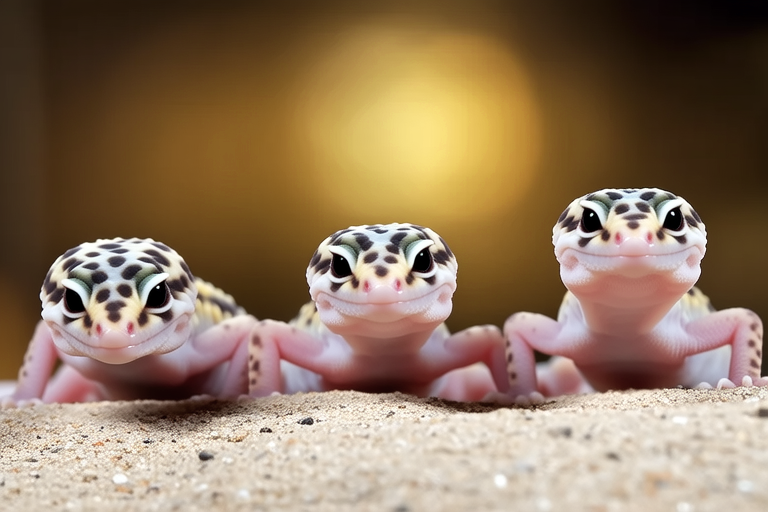
From Hatchling to Adult: A Journey Through the Life Stages of Leopard Geckos
Introduction
Leopard geckos have become one of the most popular pet reptiles worldwide due to their docile nature, vibrant coloration, and relatively low maintenance requirements. These charming creatures belong to the family Eublepharidae and are native to the rocky, arid regions of Pakistan, Afghanistan, and parts of India. Their unique appearance, characterized by their small, stocky bodies and distinctive spots, makes them a favorite among reptile enthusiasts. Leopard geckos are nocturnal, meaning they are most active during the night, and they have a remarkable ability to regenerate their tails if lost. This article will guide you through the fascinating journey from hatchling to adulthood, detailing each life stage’s specific needs and behaviors.
The Hatchling Stage: The Beginning of a New Life
Leopard gecko hatchlings emerge from their eggs at approximately two inches in length, weighing less than a gram. Their tiny size and delicate features make them highly vulnerable, requiring attentive care from their keepers. Initially, these hatchlings rely entirely on their yolk sac for sustenance, which gradually diminishes as they begin to feed independently. Once they start eating, hatchlings require small insects such as crickets or mealworms, no larger than the space between their eyes. Feeding frequency is crucial; hatchlings should be offered food every day or every other day to ensure proper growth and development.
Temperature and humidity play vital roles in the hatchling’s environment. A temperature gradient within the enclosure, ranging from 78 to 90 degrees Fahrenheit, allows the gecko to regulate its body temperature effectively. Humidity levels should be kept moderate, around 30-40%, to prevent respiratory issues while ensuring the substrate remains dry enough to avoid bacterial growth. Additionally, providing a shallow water dish with fresh water daily is essential for hydration.
The Juvenile Stage: Growth and Development
As leopard geckos transition into juveniles, they experience rapid growth and significant changes in their dietary needs. By this stage, they have shed their first few times and are more robust, reaching lengths of about four to six inches. Juveniles benefit from a varied diet that includes crickets, waxworms, and dubia roaches. It’s important to offer a mix of protein sources to ensure they receive all necessary nutrients. Juveniles should be fed daily, but smaller portions are preferable to prevent obesity.
Social behavior begins to develop during the juvenile stage. Leopard geckos are solitary animals by nature, but juveniles can sometimes be housed together temporarily, provided they are of similar sizes. However, as they grow, aggression may arise, leading to injuries. Therefore, it’s advisable to separate them once they reach a size where they can no longer coexist peacefully. Juvenile geckos also start exhibiting more pronounced activity patterns, becoming more adept at hunting and exploring their surroundings.
The Adult Stage: Maturity and Breeding Potential
Adult leopard geckos typically reach sexual maturity between nine and 18 months of age. Females generally attain a length of about eight inches, while males can grow slightly larger, up to ten inches. Adults have fully developed physical characteristics, including well-defined patterns and colors. They require spacious enclosures to accommodate their increased activity and provide adequate space for exercise.
Dietary needs for adults remain consistent with a focus on high-quality insect prey. Calcium and vitamin D3 supplementation are crucial to prevent metabolic bone disease, a common issue in reptiles. Breeding potential is a significant aspect of adult leopard geckos’ lives. Proper pairing and environmental conditions can lead to successful reproduction. Female geckos can lay clutches of eggs every 28 days, producing up to five clutches per year under optimal conditions.
Leopard geckos have an average lifespan of 10 to 20 years when cared for properly. Advanced care tips for adults include maintaining clean living spaces, regular health check-ups, and addressing any signs of illness promptly. Providing UVB lighting, though not strictly necessary, can contribute positively to their overall health by aiding in calcium absorption.
Advice for New Owners: Selecting Healthy Pets and Ensuring Wellbeing
Selecting a healthy leopard gecko is paramount for a successful pet ownership experience. Look for signs of vitality, such as clear eyes, strong limbs, and a well-rounded body. Avoid purchasing geckos that appear lethargic or have visible deformities. Research reputable breeders or pet stores known for their ethical practices and quality assurance.
Maintaining your leopard gecko’s wellbeing throughout its life stages involves consistent monitoring of its health and adjusting care practices as needed. Regular vet visits, especially during critical periods like shedding and breeding, can help catch potential problems early. Educating yourself about common health issues and preventive measures will equip you to provide the best possible care for your pet.
In conclusion, understanding the various life stages of leopard geckos allows for better preparation and care, ensuring these captivating creatures thrive in captivity. Whether you’re a novice or an experienced reptile enthusiast, appreciating the unique needs of each stage enriches the bond between keeper and pet, making the journey from hatchling to adult both rewarding and fulfilling.
