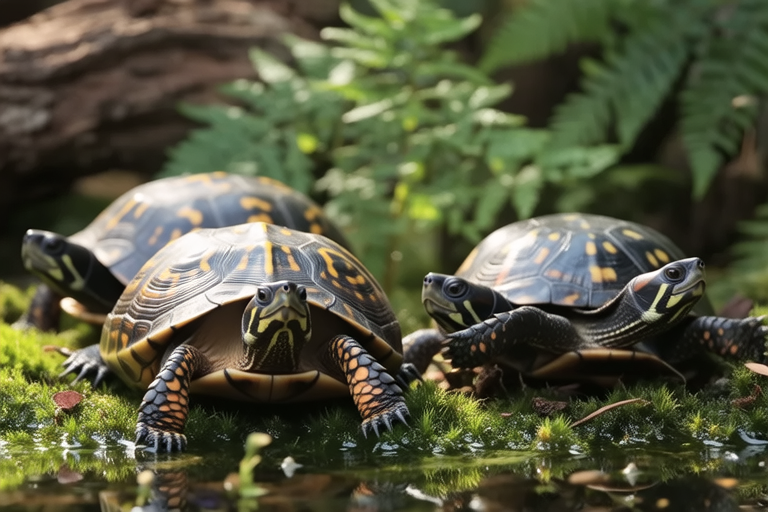
From Backyard to Bliss: Transforming Spaces for Three-Striped Box Turtles
Welcome to your guide on creating the perfect backyard habitat for three-striped box turtles (Cuora trifasciata). These delightful creatures, native to parts of Southeast Asia, require a carefully designed space that mimics their natural environment. This comprehensive guide will walk you through the steps needed to provide your turtles with a healthy, enriching, and safe living space. From substrate selection to UV lighting and temperature regulation, we’ll cover everything you need to know.
The Importance of Creating a Natural Environment
Three-striped box turtles thrive in environments that closely resemble their natural habitats. They are semi-aquatic and spend most of their time in areas with abundant vegetation, shallow water bodies, and plenty of hiding spots. By recreating these elements in your backyard, you ensure that your turtles have the best possible quality of life.
Selecting the Right Substrate
The substrate, or bedding material, is crucial for your turtle’s health. It should be easy to clean, retain moisture well, and allow for burrowing. Cypress mulch, coconut coir, and topsoil are excellent choices. Avoid gravel, sand, and small rocks, as they can cause impaction if ingested. A mix of topsoil and coconut coir provides a soft yet firm surface, ideal for digging and basking.
Choosing Suitable Plants
Incorporating live plants into your turtle’s enclosure is essential for both aesthetics and functionality. Native grasses, ferns, and bamboo offer shade, shelter, and food. Make sure to choose non-toxic plants. Some favorites include papyrus, iris, and creeping Jenny. Not only do these plants enhance the habitat’s visual appeal, but they also help maintain humidity levels and provide a sense of security for your turtles.
Providing Adequate Shelters
Three-striped box turtles are secretive by nature and need places to hide. Create multiple hiding spots using upturned planters, hollow logs, and ceramic caves. These shelters should be large enough for the turtles to fit inside comfortably and should offer varying levels of coverage. Ensure there are both open and enclosed spaces for different times of the day and weather conditions.
The Role of UV Lighting
UVB lighting is vital for calcium metabolism and overall bone health. Invest in a high-quality UVB lamp specifically designed for reptiles. Place it above the basking area at a height recommended by the manufacturer, typically around 12 inches. Replace the bulb every six months to ensure optimal output. Provide a 12-hour light cycle to mimic natural day-night patterns.
Temperature Regulation
Maintaining the correct temperature gradient is key to your turtle’s well-being. Use a combination of heat lamps, under-tank heaters, and ambient heating methods to achieve this. The basking spot should reach between 85°F and 95°F (29°C to 35°C), while the cooler end of the enclosure should be around 75°F (24°C). Monitor temperatures regularly with digital thermometers.
Water Features
A shallow water dish or pond provides a place for swimming, drinking, and soaking. Ensure the water is clean and refreshed daily. The depth should be no more than half the length of the turtle’s shell. Add aquatic plants like water lettuce and duckweed to oxygenate the water and create hiding spots. A gentle filtration system helps keep the water clean and circulating.
Maintaining Safety and Enrichment
To prevent injuries and stress, remove any sharp objects, toxic plants, and potential predators from the area. Secure the enclosure with fencing to keep your turtles safe from wandering off or being disturbed. Regularly inspect the habitat for signs of wear and tear. Enrichment activities such as offering different types of hiding spots or rearranging the layout can stimulate your turtles mentally and physically.
Dietary Needs and Health Considerations
Three-striped box turtles are omnivores with a diet consisting of insects, worms, fruits, vegetables, and occasional commercial turtle pellets. Feed them a varied diet to ensure they receive all necessary nutrients. Supplement their diet with calcium and vitamin D3 to support strong bones and shells. Always provide fresh, clean water for drinking and soaking. Regular veterinary check-ups are essential to monitor health and address any issues promptly.
Scientific Insights into Three-Striped Box Turtle Behavior
These turtles are known for their docile temperament and love for exploring. They are most active during the day, especially in the morning and late afternoon. Understanding their behavior helps in creating an environment that meets their physical and psychological needs. Providing ample opportunities for exercise and exploration promotes better digestion, weight management, and mental well-being.
Conclusion
Transforming your backyard into a sanctuary for three-striped box turtles requires careful planning and attention to detail. By following the guidelines outlined in this article, you can create a thriving habitat that supports your turtles’ physical and emotional health. Embrace your role as a responsible caretaker and enjoy the rewarding experience of nurturing these fascinating creatures. Happy gardening!
