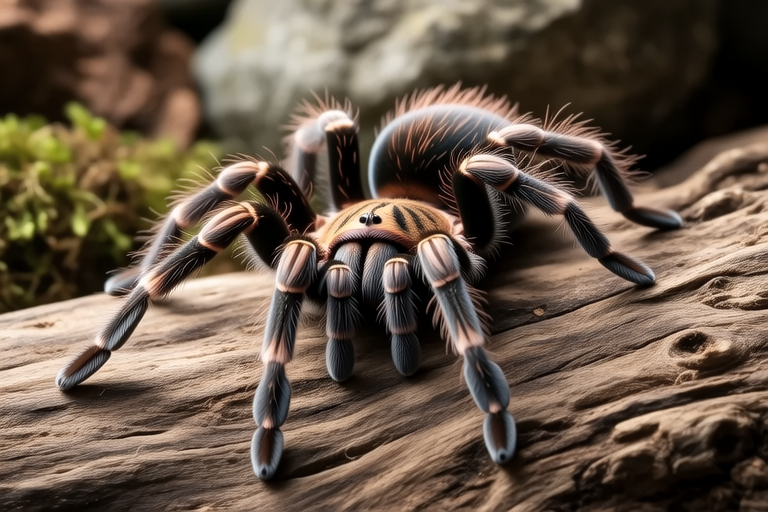
How to Care for a Tarantula: Insider Tips from an Expert
Welcome to the fascinating world of tarantulas! These captivating creatures have long been a source of intrigue for many, from novice hobbyists to seasoned arachnid enthusiasts. Proper care requires understanding their unique needs and providing an environment that mimics their natural habitats. This comprehensive guide, crafted with insights from an expert, will walk you through setting up the perfect habitat, feeding your tarantula correctly, handling them safely, addressing common health issues, and selecting the right species for beginners.
Tarantula Habitat Setup
The first step in caring for your tarantula is creating a suitable living space. A well-designed habitat ensures your pet thrives, offering comfort and security. Start by selecting an appropriate enclosure; glass tanks or plastic containers work best. The size should be proportional to the tarantula’s size, typically around five times its leg span in length and width.
Substrate is crucial for maintaining humidity levels and allowing burrowing behaviors. Opt for coconut fiber or bark chips, which retain moisture better than other materials. Add some cork bark or small logs for climbing and hiding spots. Keep the substrate moist but not soggy to prevent mold growth. Regularly check and adjust humidity levels using a hygrometer, aiming for 60% to 80% relative humidity.
Temperature control is equally important. Most tarantulas prefer temperatures between 75°F and 85°F (24°C to 29°C). Use heat mats or under-tank heaters to maintain consistent warmth without overheating. Avoid direct sunlight as it can cause temperature fluctuations and stress your tarantula.
Appropriate Diet and Feeding Schedules
A balanced diet is key to keeping your tarantula healthy and active. Insects like crickets, mealworms, and dubia roaches make excellent food sources. Offer prey items no larger than half the tarantula’s body width to prevent digestive problems. Feed juvenile tarantulas every few days, while adults can be fed once a week.
Varying the diet prevents nutritional deficiencies. Dust feeder insects with calcium and vitamin supplements before feeding. Remove uneaten prey promptly to avoid contamination. Always observe your tarantula’s eating habits; sudden changes might indicate illness or stress.
Handling and Safety Tips
While tarantulas are generally docile, handling them comes with risks. Never attempt to handle a newly acquired tarantula, as they may be stressed or aggressive. Wait at least two weeks before attempting gentle interactions.
When handling, support the tarantula’s abdomen and legs gently. Avoid touching its sensitive mouthparts. Always wash hands thoroughly after handling to prevent accidental ingestion of harmful substances. Some tarantulas can release urticating hairs that irritate skin and eyes, so wear gloves if necessary.
Keep enclosures away from children and pets who might accidentally disturb them. Always supervise interactions and ensure a secure environment free from hazards.
Common Health Issues
Recognizing signs of poor health early helps maintain your tarantula’s wellbeing. Common issues include regurgitation, lethargy, weight loss, and refusal to eat. Regurgitation could signal overfeeding or stress; reduce feeding frequency and monitor closely.
Weight loss often indicates dehydration or parasites. Increase humidity and consider consulting a veterinarian specializing in exotic animals. Refusal to eat may result from environmental stressors such as improper temperature or lighting. Adjust conditions accordingly and observe improvements.
Regular veterinary check-ups are essential for maintaining good health. Experts recommend annual examinations for tarantulas, including fecal tests for parasites and blood work for internal infections.
Advice on Choosing the Right Tarantula Species for Beginners
Selecting the right species sets the foundation for successful tarantula ownership. Beginners should opt for hardy species with calm temperaments. Common choices include Mexican Red-Knee, Chilean Rose, and Curly Hair tarantulas. These species are relatively easy to care for, tolerate handling well, and adapt easily to new environments.
Consider factors like lifespan, size, and dietary preferences when choosing. Mexican Red-Knees live up to 30 years and grow large, making them ideal for long-term commitments. Chilean Roses reach maturity quickly and remain small, perfect for those short on space. Curly Hairs are known for their docile nature and vibrant coloration, appealing to visually-oriented enthusiasts.
Research thoroughly before purchasing any species. Understand specific care requirements, potential challenges, and legal restrictions regarding ownership. Engage with local or online communities for additional guidance and support.
In conclusion, caring for a tarantula involves dedication and attention to detail. By following these insider tips, you’ll create a thriving home for your eight-legged companion. Remember, patience and consistency are key in fostering a strong bond with your pet. Enjoy the journey of learning and growing alongside this remarkable creature.
