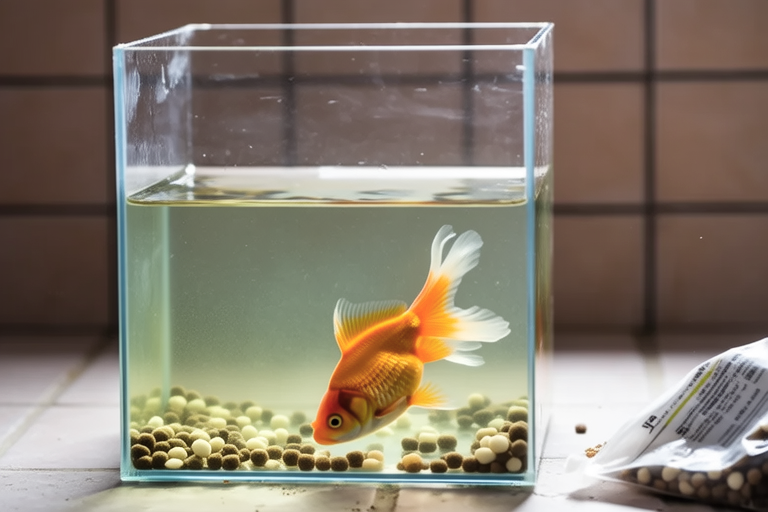
How Overfeeding Can Kill Your Goldfish: The Hidden Dangers
Introduction
Goldfish are among the most popular pets worldwide, often seen as low-maintenance companions that can thrive in various environments. However, one of the most common misconceptions about goldfish is that they will eat as much as you give them. This belief can lead to overfeeding, which poses significant risks to their health and well-being. Understanding the hidden dangers of overfeeding is crucial for any goldfish owner looking to ensure their pet’s longevity and happiness.
The Common Misconception
Many people believe that goldfish will continue to eat until all food is gone, leading to the assumption that they need frequent or large feedings. In reality, goldfish have a natural instinct to search for food, which means they will nibble at anything available in their tank. This behavior can mislead owners into thinking their fish are still hungry when, in fact, they are merely exploring their environment. Overfeeding based on this behavior can lead to severe health issues.
Biological Reasons Why Overfeeding is Harmful
Overfeeding can cause several serious health problems for goldfish. One of the primary issues is digestive upset. Goldfish have a relatively simple digestive system that is not designed to handle excessive amounts of food. When overfed, goldfish can develop bloating, constipation, and even blockages that can be life-threatening if not addressed promptly. Additionally, excess food can lead to swim bladder disorders, where the fish may struggle to maintain balance or float properly.
Another significant concern is the impact of overfeeding on water quality. Uneaten food decomposes in the water, releasing ammonia and other harmful substances. These toxins can increase the biological load on the aquarium, stressing the fish and potentially leading to diseases. High levels of ammonia can cause burns on the fish’s gills, making it difficult for them to breathe and ultimately leading to suffocation. Regular water changes become necessary but are not always enough to counteract the effects of overfeeding.
Signs of Overfeeding in Goldfish
Recognizing the signs of overfeeding is crucial for preventing further harm. One of the first indicators is the presence of uneaten food floating in the water. If you notice food particles lingering after feeding, it’s likely that your fish have been given too much. Another sign is the appearance of cloudy water, which can indicate the decomposition of leftover food and subsequent bacterial growth.
Behavioral changes in your goldfish can also signal overfeeding. Fish that are overfed may appear lethargic or listless, spending more time at the bottom of the tank than usual. They might also exhibit irregular swimming patterns, such as floating upside down or struggling to stay upright. Excessive waste production is another telltale sign; if your tank requires frequent cleaning due to increased debris, it could be a result of overfeeding.
Tips for Proper Feeding Techniques and Portion Control
To ensure your goldfish remain healthy and happy, it’s essential to establish a proper feeding routine. A general guideline is to feed your goldfish only what they can consume within two minutes. This rule helps prevent overfeeding while ensuring your fish get enough nutrients. It’s also important to vary the diet, offering a mix of commercial pellets, flakes, and occasional live or frozen foods like brine shrimp or daphnia. This variety provides a balanced diet rich in vitamins and minerals.
Feeding frequency is equally important. Most goldfish can be fed once or twice daily, depending on their age and size. Younger or smaller fish may require more frequent meals, while adult fish can manage with fewer but larger portions. Always monitor your fish during feeding times, adjusting the amount based on their appetite and the condition of the tank water.
Maintaining a Healthy Environment for Goldfish Longevity
Creating a healthy environment for your goldfish involves more than just providing the right amount of food. Proper filtration is key to maintaining clean water, as it helps remove excess waste and harmful chemicals. A good filter should be able to process at least four times the volume of water in your tank per hour. Regular water changes are also vital; aim for partial changes (about 25%) every week to keep the water fresh and free from toxins.
Temperature control is another critical factor in goldfish care. Goldfish prefer cooler water temperatures between 68°F and 74°F (20°C to 23°C). Sudden temperature fluctuations can stress your fish, so it’s essential to maintain a stable environment. Additionally, ensure adequate oxygenation in the tank, especially if you have a densely populated aquarium. Plants, air stones, or a gentle water pump can help maintain sufficient oxygen levels.
Conclusion
Understanding the dangers of overfeeding is vital for any goldfish owner. By recognizing the common misconceptions about goldfish eating habits and being aware of the biological reasons behind the risks, you can take steps to prevent overfeeding and promote a healthy lifestyle for your pet. Paying attention to the signs of overfeeding, implementing proper feeding techniques, and maintaining a clean and stable aquatic environment will contribute significantly to your goldfish’s longevity and overall well-being.
Remember, goldfish are sensitive creatures that require careful management to thrive. With the right knowledge and practices, you can provide a nurturing home that allows your goldfish to live happily and healthily for many years to come.
