Koi Care Simplified: Tips and Tricks for Thriving Koi in Your Backyard Pond
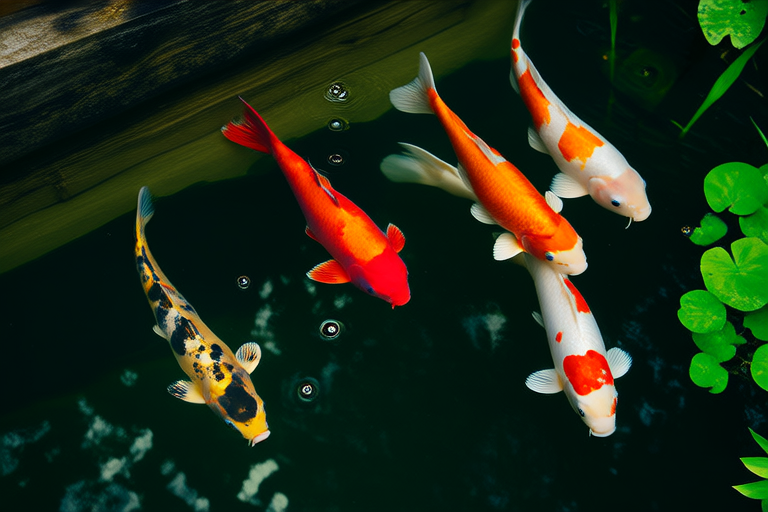
Welcome to the enchanting world of koi keeping! Koi fish, with their vibrant colors and graceful movements, bring a serene beauty to any backyard pond. However, maintaining these aquatic gems requires more than just a pretty pond; it demands a careful balance of environmental conditions, proper nutrition, and vigilant health management. This guide will walk you through the essential aspects of koi care, offering tips and tricks to ensure your koi thrive in their aquatic home.
Understanding the Beauty and Maintenance of Koi Fish
Koi fish, originating from Japan, are renowned for their striking patterns and impressive size, often reaching lengths of up to three feet. Their presence can transform a simple pond into a tranquil oasis, providing hours of enjoyment for the observer. Yet, this beauty comes with responsibilities. Koi require a stable environment, regular care, and attention to detail to remain healthy and vibrant. By understanding and addressing these needs, you can create a thriving ecosystem that supports the well-being of your koi.
Essential Aspects of Koi Health: Water Quality, Temperature, and Filtration Systems
The foundation of koi health lies in maintaining optimal water quality. Clean, oxygen-rich water is crucial for their survival. Regular testing of water parameters such as pH, ammonia, nitrite, and nitrate levels is essential. Aim for a pH range between 7.2 and 8.0, ensuring a slightly alkaline environment. Ammonia and nitrite should be undetectable, while nitrate levels should be kept below 50 ppm.
Temperature plays a significant role in koi health. Koi are cold-water fish, thriving in temperatures between 68°F and 74°F (20°C and 23°C). Avoid sudden temperature changes, as they can stress the fish. In colder climates, consider installing a heater or insulating the pond to maintain stable temperatures during winter.
Filtration systems are vital for maintaining water quality. A good filtration system should include mechanical, biological, and chemical filtration components. Mechanical filters remove debris and waste, while biological filters support beneficial bacteria that convert harmful compounds into less toxic substances. Chemical filtration helps eliminate dissolved organic compounds, further enhancing water clarity.
Feeding Koi Properly: Types of Food and Feeding Schedules
Proper nutrition is key to keeping your koi healthy and vibrant. Koi diets should consist of high-quality pellets designed specifically for koi. These pellets typically contain a balanced mix of protein, fats, carbohydrates, vitamins, and minerals necessary for growth and health. Depending on the season, adjust the protein content of the feed. Higher-protein foods are beneficial during spring and summer when the fish are growing rapidly, while lower-protein options are suitable for fall and winter when activity slows down.
Establish a consistent feeding schedule. Feed koi several times a day, especially during warmer months. Limit portions so that the fish consume all the food within a few minutes. Overfeeding can lead to poor water quality and health issues. Always check the water surface after feeding to ensure no uneaten food remains.
Common Diseases and Preventive Measures
Despite best efforts, koi may still face health challenges. Common ailments include fin rot, white spot disease (Ichthyophthirius multifiliis), and bacterial infections. Fin rot presents as frayed or disintegrating fins, while white spot disease causes small, white spots on the body and gills. Bacterial infections often result in ulcers or red streaks along the body.
To prevent diseases, maintain excellent water quality and provide a stress-free environment. Quarantine new arrivals before introducing them to the main pond to avoid introducing pathogens. Regularly inspect your koi for signs of illness and consult a veterinarian specializing in fish if issues arise. Treatments vary depending on the specific condition but may include medicated baths, antibiotics, or antiparasitic medications.
Pond Landscaping and Its Impact on Koi Behavior and Health
Pond landscaping not only enhances aesthetics but also contributes to the overall health and happiness of your koi. Incorporate plenty of aquatic plants to provide natural filtration and shade. Plants like water lilies and lotus help reduce algae growth by competing for nutrients and blocking sunlight. They also offer hiding places for koi, reducing stress and promoting natural behaviors.
In addition to plants, consider adding rocks and driftwood to create varied habitats within the pond. These elements provide resting spots and contribute to a more dynamic environment. Ensure there are ample open spaces for swimming and sufficient depth for the fish to retreat during hot weather or when startled.
Maintaining Pond Balance and Seasonal Care Tips
Maintaining a balanced pond ecosystem is crucial for long-term koi health. Regular maintenance includes cleaning filters, removing debris, and monitoring water parameters. Skimmers and nets can help manage floating debris, while vacuuming the bottom of the pond removes settled waste.
Seasonal care involves adjusting feeding schedules and preparing for temperature fluctuations. During colder months, reduce feeding frequency and switch to low-protein diets. In extreme cold, consider using heaters or insulating the pond to prevent freezing. Conversely, in warmer weather, increase feeding intervals and monitor water temperature to avoid overheating.
Regularly test water parameters throughout the year to ensure they remain within safe ranges. Perform partial water changes, replacing about 10% of the water weekly, to dilute harmful compounds and replenish essential minerals. Additionally, consider using beneficial bacteria supplements to enhance biological filtration.
Conclusion
Caring for koi in your backyard pond is a rewarding endeavor that requires dedication and knowledge. By focusing on water quality, temperature control, proper nutrition, and preventive healthcare, you can ensure your koi remain healthy and beautiful. With thoughtful pond landscaping and consistent maintenance, you’ll create an ideal habitat that supports the well-being of your aquatic companions. Whether you’re a novice or an experienced koi keeper, implementing these tips will help your koi thrive and bring joy to your outdoor space for years to come.
