The Ultimate Beginner’s Guide to Raising Happy and Healthy Dutch Dwarf Rabbits
Introduction to Dutch Dwarf Rabbits
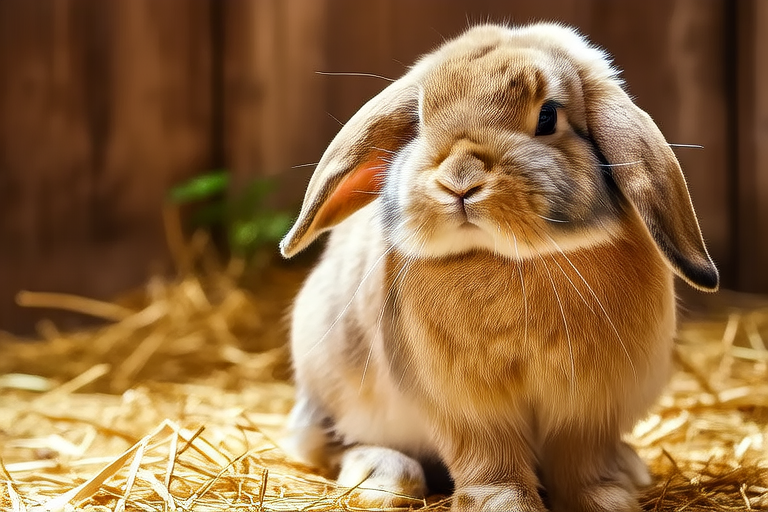
Dutch Dwarf rabbits are one of the smallest breeds of domestic rabbits, known for their compact size, friendly demeanor, and distinctive coloring. These rabbits typically weigh between 1.8 to 2.3 kg (4 to 5 pounds) and have a lifespan of around 7 to 10 years. They are intelligent, curious, and playful, making them an excellent choice for both novice and experienced rabbit owners. Dutch Dwarfs come in a variety of colors, including black, blue, chocolate, and white, with a white blaze on their faces that gives them a unique appearance.
Ideal Living Conditions Including Housing and Space Requirements
Proper housing is crucial for the well-being of your Dutch Dwarf rabbit. A spacious indoor hutch or cage is recommended to provide ample room for movement and comfort. The enclosure should be at least 30 inches long, 20 inches wide, and 20 inches high per rabbit. Ensure there is enough space for them to stretch out fully and move around freely. Providing a solid floor rather than wire mesh can prevent foot injuries and is more comfortable for the rabbit. Additionally, the living area should be draft-free and kept at a moderate temperature. Dutch Dwarfs are sensitive to extreme temperatures, so it’s important to keep them in a cool environment during hot weather and provide warmth in colder months.
Bedding material such as hay, straw, or recycled paper products should be used to line the bottom of the cage for comfort and cleanliness. Regular cleaning of the living area is necessary to maintain hygiene and prevent odors. A litter box can also be introduced to help with waste management. Ensure the living space includes hiding spots and toys to stimulate mental and physical activity.
Diet and Nutrition Details
A balanced diet is essential for the health and longevity of your Dutch Dwarf rabbit. Their primary food source should be unlimited access to fresh timothy hay, which aids in digestion and dental health. Pellets formulated specifically for rabbits should be provided in limited quantities, as overfeeding can lead to obesity. Fresh vegetables, including leafy greens like romaine lettuce, spinach, and kale, should be offered daily but in moderation. Fruits can be given as occasional treats due to their high sugar content.
Always ensure access to clean, fresh water. Water bottles with sipper tubes are preferable as they reduce the risk of contamination compared to water bowls. It’s important to monitor your rabbit’s eating habits and adjust their diet as needed. Consult with a veterinarian for specific dietary recommendations based on your rabbit’s age, weight, and overall health.
Exercise Needs
Despite their small size, Dutch Dwarf rabbits require regular exercise to stay healthy and active. Daily playtime outside of their living quarters is beneficial. Supervised time in a safe, enclosed area allows them to explore and engage in natural behaviors. Exercise also helps prevent obesity and promotes mental stimulation. Toys such as tunnels, chew sticks, and balls can be used to encourage movement and interaction.
Outdoor play is possible, but it must be done carefully. Ensure the area is secure from predators and free of toxic plants. Always supervise your rabbit when they are outside to protect them from potential dangers.
Grooming Tips
Grooming is an important aspect of maintaining your Dutch Dwarf rabbit’s health and appearance. Regular brushing helps remove loose fur and prevents matting. Use a soft-bristled brush or a rubber curry comb to gently brush their coat. Dutch Dwarfs have short, dense fur that sheds seasonally, so extra attention may be needed during these times.
Bathing should be avoided unless absolutely necessary, as it can upset the natural balance of oils on their skin. Instead, spot cleaning can be done with a damp cloth. Trimming nails is another grooming task that may be required every few weeks. This can be done using nail clippers designed for small animals, ensuring you don’t cut into the quick, which can cause bleeding and discomfort.
Eyebrow cleaning is also important to prevent tear staining and infections. Use a soft, damp cloth to gently wipe away any discharge around the eyes.
Common Health Issues and Preventive Care
Like all pets, Dutch Dwarf rabbits are susceptible to certain health issues. Common problems include dental diseases, respiratory infections, and gastrointestinal stasis. Dental issues can arise from improper diet or genetics, leading to overgrown teeth. Respiratory infections may occur due to poor ventilation or exposure to drafts. Gastrointestinal stasis happens when the digestive system slows down or stops, often caused by stress, lack of fiber, or dehydration.
To prevent these issues, provide a balanced diet rich in hay, maintain proper living conditions, and schedule regular veterinary check-ups. Early detection and treatment of health problems can significantly improve outcomes. Regular monitoring of your rabbit’s behavior, appetite, and droppings can help identify potential issues before they become serious.
Social Behavior and Bonding Techniques
Dutch Dwarf rabbits are social animals that thrive on companionship. They enjoy interacting with humans and other rabbits. Introducing your rabbit to family members and friends can help build trust and strengthen the bond. Spend quality time with your rabbit through gentle handling, petting, and play. Positive reinforcement training using treats can teach them simple commands and tricks, enhancing their relationship with you.
If considering a companion for your Dutch Dwarf, introducing a second rabbit requires careful planning. Same-sex pairs are generally recommended to avoid unwanted breeding. Allow the rabbits to meet in a neutral territory under supervision to assess compatibility. Once they show signs of acceptance, they can be housed together.
Breeding Considerations if Applicable
Breeding Dutch Dwarf rabbits should only be undertaken by experienced breeders who understand the complexities involved. Responsible breeding ensures genetic diversity and healthy offspring. Potential breeders should familiarize themselves with the breed standard and consult with experts before proceeding. Health testing and genetic screening are essential to avoid passing on hereditary conditions. Proper care during pregnancy, birthing, and early development is critical for the well-being of both the mother and kits.
For those interested in breeding, joining a local rabbit club or online community can provide valuable resources and support. Always prioritize the welfare of the rabbits involved and avoid impulsive decisions that could lead to overcrowded or neglected conditions.
Frequently Asked Questions for Beginners
- How much space does a Dutch Dwarf rabbit need?
A minimum of 30x20x20 inches per rabbit is recommended for indoor enclosures. Outdoor runs should offer additional space for exercise. - What should I feed my Dutch Dwarf rabbit?
Provide unlimited timothy hay, a measured amount of pellets, and fresh vegetables. Avoid excessive fruits and sugary treats. - Can Dutch Dwarf rabbits live outside?
While outdoor living is possible, it requires a secure, predator-proof enclosure with proper shelter from extreme weather conditions. - How often should I groom my Dutch Dwarf rabbit?
Regular brushing, especially during shedding seasons, helps maintain a healthy coat. Nail trimming may be needed every few weeks. - When should I take my Dutch Dwarf rabbit to the vet?
Schedule routine check-ups and seek immediate medical attention for any signs of illness or injury.
Raising Dutch Dwarf rabbits can be a rewarding experience filled with joy and companionship. By providing a loving home, proper care, and attention, you can ensure your rabbit leads a happy and healthy life. Remember, each rabbit is unique, so adapt your care practices to suit their individual needs.
