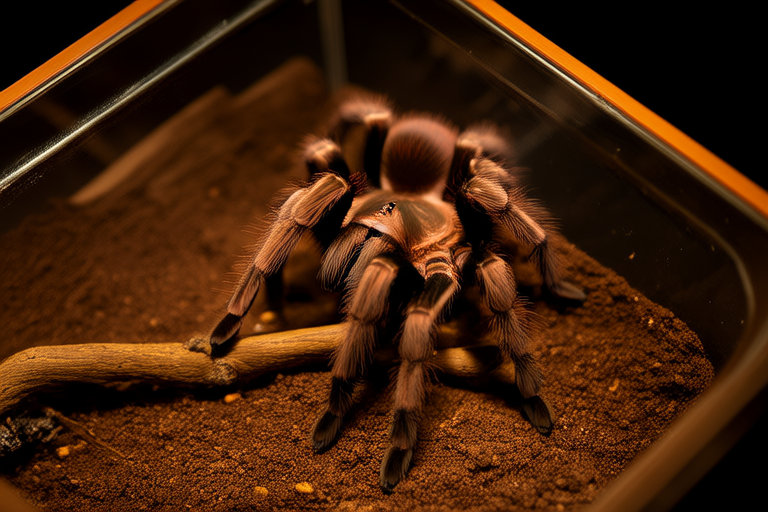
How to Set Up the Perfect Habitat for Your Tarantula
Introduction
Welcome to the world of tarantulas! These fascinating arachnids come in a variety of sizes, colors, and temperaments. Creating a perfect habitat for your tarantula involves understanding their specific needs and replicating their natural environment as closely as possible. This guide will walk you through the essentials of setting up a habitat that ensures your tarantula’s health and happiness.
Choosing the Right Enclosure Size
The first step in creating a suitable habitat is selecting the right enclosure size. The size of the enclosure should be determined by the species of tarantula you intend to keep. Smaller species, like the Mexican red rump or the pink toe tarantula, can thrive in enclosures as small as 5×5 inches. Larger species, such as the Brazilian giant white knee or the emperor tarantula, require much more space, ideally 18×12 inches or larger.
It’s crucial to provide ample space for your tarantula to move around comfortably. An overcrowded enclosure can lead to stress and health issues. Always research the specific needs of your tarantula species before purchasing an enclosure.
Appropriate Substrate Options
The substrate, or bedding material, is another critical aspect of your tarantula’s habitat. It serves multiple purposes, including providing a natural environment, retaining moisture, and allowing your tarantula to burrow if necessary. Some popular substrate options include:
- Coco fiber: Retains moisture well and is easy to maintain.
- Newspaper: Inexpensive and easy to replace, though it doesn’t hold moisture as effectively as other substrates.
- Bed-a-beast: A mix of peat moss and coconut fiber, ideal for burrowing species.
- Orchid bark: Provides good drainage and is aesthetically pleasing.
For most tarantulas, a layer of substrate approximately 3-4 inches deep is sufficient. Ensure the substrate is clean and free from harmful chemicals. Additionally, avoid using cedar or pine shavings, as these can be toxic to tarantulas.
Temperature and Humidity Requirements
Maintaining the correct temperature and humidity levels is vital for your tarantula’s health. Different species have varying preferences, so it’s essential to research the specific needs of your tarantula. As a general guideline, most tarantulas prefer temperatures between 75°F and 85°F (24°C to 29°C). Humidity levels should range from 60% to 80%, depending on the species.
To achieve the desired temperature, consider using under-tank heaters or heat mats. Place the heater on one side of the enclosure to create a temperature gradient, allowing your tarantula to regulate its body temperature. Use a hygrometer to monitor humidity levels and adjust accordingly. Misting the enclosure or adding a water dish can help increase humidity.
Ventilation Needs
Proper ventilation is essential for preventing mold growth and maintaining air circulation within the enclosure. However, too much ventilation can lead to excessive heat loss and dry conditions. To strike the right balance, opt for enclosures with screen tops or add ventilation holes. Ensure these openings are covered with mesh to prevent escape and protect against drafts.
Hiding Spots
Tarantulas are generally reclusive creatures and appreciate having a place to hide. Providing hiding spots allows them to feel secure and reduces stress. Suitable hiding spots can be created using:
- Cork bark: Natural and aesthetically pleasing.
- PVC tubes: Easy to clean and available in various sizes.
- Flower pots: Inexpensive and readily available.
Position the hiding spot in the cooler part of the enclosure, away from the heat source. Ensure the entrance is large enough for your tarantula to enter but not so large that it feels exposed.
Feeding Stations
Setting up a proper feeding station is crucial for the well-being of your tarantula. It helps reduce stress during feeding times and prevents accidental injury. A simple feeding station can be created using a small plastic container with a hole cut into the lid. Place the food inside the container and prop it up at an angle, allowing your tarantula to easily access it.
Always feed your tarantula live prey, such as crickets or dubia roaches. Remove any uneaten prey after 24 hours to prevent them from biting or stressing your tarantula. Feeding frequency depends on the age and size of your tarantula; younger spiders typically need to eat more frequently than adults.
Cleaning Schedules
Maintaining a clean habitat is essential for your tarantula’s health. Regular cleaning helps prevent the buildup of waste, bacteria, and parasites. Here’s a recommended cleaning schedule:
- Daily: Check for uneaten prey and remove any dead insects.
- Weekly: Spot clean the enclosure, removing visible waste and replacing soiled substrate.
- Monthly: Thoroughly clean the entire enclosure, including all accessories. Disinfect the enclosure and allow it to dry completely before replacing the substrate and accessories.
Use mild, pet-safe disinfectants when cleaning the enclosure. Avoid harsh chemicals that could harm your tarantula. Always rinse thoroughly and let the enclosure air dry before returning your tarantula.
Mimicking the Natural Environment
Replicating the natural environment of your tarantula is key to its health and well-being. Each species has adapted to specific environmental conditions, and providing these conditions in captivity promotes optimal health. Research the natural habitat of your tarantula species and strive to mimic it as closely as possible.
In addition to temperature, humidity, and substrate, consider incorporating elements that reflect their natural surroundings, such as branches for climbing or plants for added security. By doing so, you create a more enriching and stimulating environment for your tarantula.
Tips for Beginners
If you’re new to tarantula ownership, start with a beginner-friendly species. Species like the Chilean rose or the curly hair tarantula are relatively hardy and forgiving. Take time to learn about tarantula behavior and care requirements before bringing one home. Join online forums or local groups to connect with experienced owners who can offer advice and support.
Remember to handle your tarantula with care. Tarantulas don’t bite often, but they can if provoked. Always use caution when interacting with your tarantula and respect its need for privacy.
Tips for Advanced Owners
Advanced owners may want to explore breeding, morphs, or more challenging species. If you’re interested in breeding, ensure you have a pair of tarantulas of the same species and consult experts to learn about the process. Breeding can be complex and requires specialized knowledge and equipment.
For those interested in exploring different tarantula species, consider researching less common species. These tarantulas may have unique care requirements and can provide a rewarding challenge for experienced owners. Always prioritize the well-being of your tarantulas and approach new ventures with careful consideration.
Conclusion
Creating the perfect habitat for your tarantula requires attention to detail and a commitment to replicating their natural environment. By carefully selecting the right enclosure size, substrate, temperature, humidity, ventilation, hiding spots, and feeding stations, you can ensure your tarantula thrives. Whether you’re a beginner or an advanced owner, following these guidelines will help you provide a safe and comfortable home for your tarantula.
