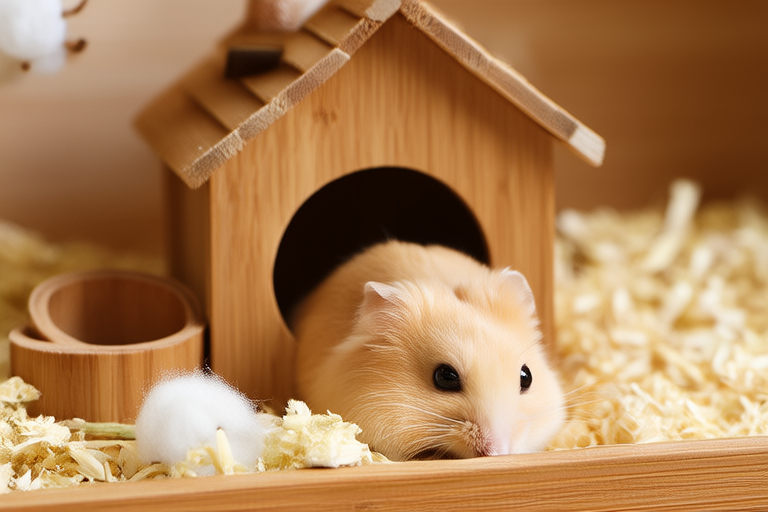
Hamster Habitat Hacks: DIY Cozy Nests and Playgrounds
Welcome to the world of hamster habitat hacking! Creating a cozy nest and an engaging playground for your pet is both fun and rewarding. This guide will walk you through practical, creative ways to enhance your hamster’s living space, ensuring it’s safe, comfortable, and stimulating. Let’s dive into the materials, steps, and tips that will help you build the perfect home for your furry friend.
Materials Suitable for DIY Nests
Selecting the right materials is crucial for creating a safe and cozy environment for your hamster. Opt for natural, non-toxic substances that are soft, absorbent, and free from chemicals. Here’s what you need:
- Bedding: Shredded paper, aspen wood shavings, or recycled paper bedding are excellent choices. Avoid pine or cedar shavings, which can irritate your hamster’s respiratory system.
- Soft Tissues: Use tissues or cotton balls for nesting. Ensure they’re clean and free from perfumes or dyes.
- Branches and Twigs: These provide natural chewing material and climbing opportunities. Choose branches from fruit trees or untreated shrubs.
- Toys and Accessories: Small, non-toxic toys and accessories can enrich your hamster’s life. Look for items made from natural materials like untreated wood or fabric.
Step-by-Step Instructions for Building Safe and Comfortable Habitats
Building a habitat involves several steps, each crucial for ensuring your hamster’s well-being. Follow these guidelines to create a secure, inviting space:
Step 1: Select the Right Cage
Choose a cage that provides ample space for your hamster to move around freely. Opt for wire cages with a solid bottom, as they offer good ventilation and prevent your hamster from escaping through the floor.
Step 2: Layer the Bedding
Start by placing a layer of bedding at the bottom of the cage. Aim for a depth of about two inches to provide comfort and absorb waste. Add extra layers for warmth during colder months.
Step 3: Create a Nesting Area
Designate a corner of the cage as the nesting area. Place a small box or tunnel here, filled with soft tissues or shredded paper. This provides privacy and a sense of security for your hamster.
Step 4: Add Toys and Accessories
Incorporate toys and accessories to stimulate your hamster’s mind and body. Place a wheel in one corner, ensuring it’s large enough for your hamster to run comfortably without injury. Add tunnels, chew toys, and platforms for climbing.
Step 5: Install a Water Bottle and Food Dish
Secure a water bottle to the side of the cage and place a shallow dish filled with fresh food in an easily accessible location. Ensure these items are cleaned regularly to maintain hygiene.
Tips for Creating Stimulating Playgrounds
Your hamster’s playground should be a source of entertainment and exercise. Consider the following tips to create an engaging environment:
- Variety: Rotate toys and accessories periodically to keep your hamster interested and engaged.
- Exploration: Introduce new elements like cardboard boxes or paper towel rolls for tunneling and hiding.
- Chewing: Provide safe, natural chewing options like untreated branches or wooden toys to satisfy your hamster’s instinctual need to gnaw.
- Obstacle Course: Set up an obstacle course with tunnels, ramps, and platforms to encourage physical activity.
Safety Considerations
Ensuring your hamster’s safety is paramount. Follow these safety tips to avoid potential hazards:
- Avoid Toxic Materials: Never use materials containing harmful chemicals or fragrances.
- Check Toys Regularly: Inspect toys and accessories frequently for wear and tear. Replace any damaged items immediately.
- Monitor Temperature: Maintain a consistent temperature within the cage, avoiding extreme heat or cold.
- Secure the Cage: Ensure the cage has a secure lid or door to prevent escapes.
Understanding Hamster Behavior to Tailor Habitats Accordingly
Understanding your hamster’s behavior helps you design a habitat that meets its needs. Here are some key points:
- Nocturnal Nature: Hamsters are most active at night, so position their cage in a quiet area away from direct light sources.
- Foraging Instinct: Incorporate foraging elements into their habitat, such as food hidden within toys or tunnels.
- Chewing Habits: Provide appropriate chewing materials to prevent destructive chewing on cage bars or other surfaces.
- Social Preferences: While hamsters are generally solitary animals, some may enjoy the company of another hamster. If housing multiple hamsters, ensure there is sufficient space and resources to minimize conflicts.
By tailoring your hamster’s habitat to its specific behaviors and needs, you can create a nurturing and stimulating environment that promotes health and happiness.
Creating a cozy nest and playground for your hamster doesn’t have to be complicated. With the right materials, thoughtful design, and attention to safety, you can build a habitat that keeps your pet healthy, happy, and entertained. Remember, the more effort you put into creating a comfortable and stimulating environment, the more rewarding your time with your hamster will be.
