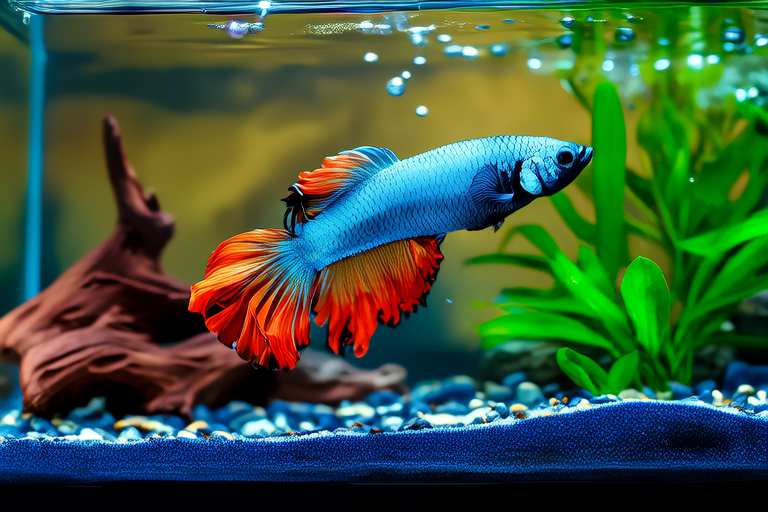
The Ultimate Guide to Setting Up a Perfect Tank for Your Betta
Welcome to the world of Betta care! Setting up the perfect tank for your Betta fish can be an exciting yet daunting task. This guide will walk you through all the essential steps to ensure your Betta has a healthy and happy environment. Whether you’re a first-time owner or an experienced aquarist, this comprehensive guide will provide you with valuable insights to make the best decisions for your aquatic friend.
Choosing the Right Tank Size
One of the most common misconceptions about Betta fish is that they can thrive in tiny containers. However, this couldn’t be further from the truth. Betta fish require adequate space to swim and explore. A minimum tank size of 5 gallons is recommended, but larger tanks are always better. A bigger tank allows for more stable water conditions and provides ample room for swimming, reducing stress and promoting overall health.
Water Parameters: Temperature and pH
Maintaining the right water parameters is crucial for your Betta’s well-being. The ideal temperature range for Betta fish is between 76°F and 80°F (24°C to 27°C). Consistent temperatures help prevent stress and illness. To achieve this, consider using a reliable aquarium heater.
Regarding pH levels, Betta fish prefer slightly acidic to neutral water, ideally between 6.5 and 7.5. Regular testing of the water using pH test kits is recommended to ensure stability and prevent fluctuations that could harm your Betta.
Filtration System Choices
A good filtration system is vital for maintaining clean and healthy water. It helps remove waste, excess food, and harmful chemicals while keeping the water oxygenated. For a 5-gallon tank, a small internal filter or sponge filter works well. Larger tanks may require external hang-on-back filters. Always choose a filter that doesn’t create strong currents, as Bettas are sensitive to high water flow.
Selecting the Substrate and Plants
The substrate, or bottom layer of your tank, not only affects the aesthetic appeal but also plays a role in water quality. Gravel or sand are popular choices for Betta tanks. Avoid sharp or large-sized substrates that could injure your Betta. Additionally, incorporating live or silk plants enhances the environment by providing natural cover and stimulating behavior. Some popular plant options include Java fern, Anubias, and Amazon swords.
Hiding Spots and Decorations
Betta fish love having places to hide and feel secure. Incorporate caves, ceramic castles, or driftwood into your tank setup. These items offer shelter and reduce stress. When selecting decorations, ensure they are safe and free from sharp edges. Decorative elements should also be non-toxic and easy to clean.
Feeding Guidelines
Proper nutrition is key to keeping your Betta healthy and vibrant. Feed your Betta a balanced diet consisting of high-quality flake foods, pellets, and occasional treats like freeze-dried bloodworms or brine shrimp. Offer small portions two to three times daily, ensuring they consume all the food within a few minutes. Overfeeding can lead to poor water quality and health issues.
Common Mistakes to Avoid
Even experienced fishkeepers can make mistakes when setting up a Betta tank. Here are some common pitfalls to watch out for:
- Ignoring Water Changes: Regular water changes are necessary to maintain optimal water quality. Aim for weekly partial water changes of around 25%.
- Overcrowding: Avoid keeping multiple Betta fish together, as they are territorial and may fight. Each Betta requires its own space.
- Neglecting Heater Maintenance: Ensure your heater is functioning correctly and set at the appropriate temperature to prevent temperature fluctuations.
- Inadequate Filtration: Proper filtration is essential for maintaining clean water. Choose a filter that suits your tank size and provides gentle water movement.
- Improper Substrate Selection: Select a substrate that is safe and comfortable for your Betta, avoiding sharp or abrasive materials.
Conclusion
Setting up the perfect tank for your Betta involves careful consideration of various factors, including tank size, water parameters, filtration, substrate, and decor. By following these guidelines, you’ll create a thriving environment where your Betta can flourish. Remember, a well-maintained tank not only benefits your fish but also brings joy and satisfaction to you as a responsible pet owner. Happy fishkeeping!
