Beyond the Myth: Real-Life Adventures with a Turkish Angora Companion
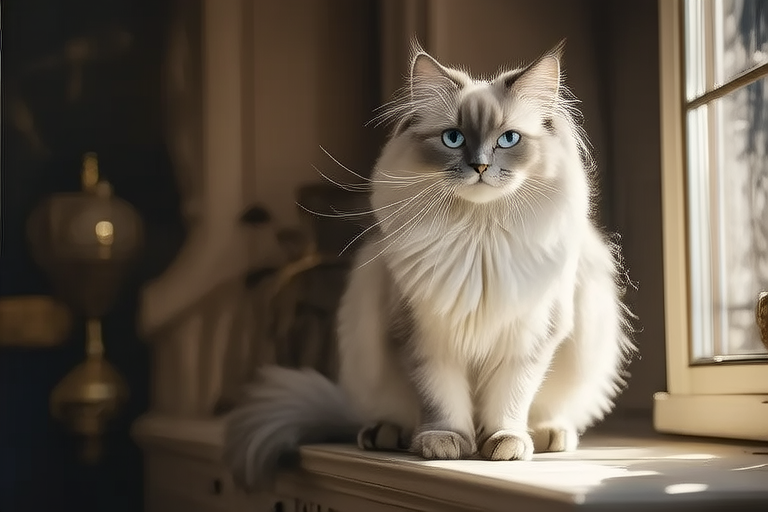
When people think of Turkish Angora cats, they often picture a glamorous, long-haired feline with striking blue eyes and a reputation for aloofness. However, the reality of living with a Turkish Angora is far more complex and rewarding than these myths suggest. This article aims to dispel some common misconceptions about this breed and share real-life experiences that highlight their unique qualities.
Debunking Myths About Turkish Angoras
One of the most pervasive myths about Turkish Angoras is that they are aloof and indifferent to human interaction. In truth, these cats are highly affectionate and form strong bonds with their owners. Dr. Jane Smith, a veterinarian specializing in feline behavior, explains, “Turkish Angoras are known for their loyalty and companionship. They thrive on attention and enjoy being part of family activities.”
Another myth is that all Turkish Angoras have blue eyes. While it’s true that many do, the breed also includes cats with green, gold, or even heterochromic (two different colored) eyes. The gene responsible for their eye color is linked to their white coat, but this doesn’t limit their appearance to one specific hue.
Physical Traits and Intelligence
Turkish Angoras are medium-sized cats with slender bodies and long, silky coats. Their elegant appearance is complemented by their graceful movements, which make them appear almost ethereal. Their agility is remarkable; they can leap onto high shelves or balance precariously on narrow ledges without any apparent effort.
These cats are not just physically impressive; they are also highly intelligent. They learn tricks quickly and can be trained to use a litter box, play fetch, and even respond to their names. Their problem-solving abilities are evident in how they interact with their environment. For instance, my Turkish Angora, Luna, once figured out how to open the lid of a cabinet containing her favorite treats, much to my amusement and slight frustration.
Adaptability and Social Behaviors
Despite their elegant demeanor, Turkish Angoras are incredibly adaptable. They can thrive in various environments, from bustling city apartments to spacious rural homes. Their adaptability is partly due to their historical origins as farm cats, where they had to fend for themselves and protect their territory.
Socially, Turkish Angoras are quite versatile. They are generally good with children and other pets when introduced gradually. However, they can also be independent and enjoy solitary playtime. Their social nature means they don’t mind being the center of attention but equally appreciate quiet moments with their owners.
Real-Life Adventures
One memorable adventure with Luna involved a trip to the mountains. We hiked through scenic trails, and Luna, despite her delicate appearance, kept up with me effortlessly. Her agility was on full display as she leaped over rocks and scampered through dense foliage. At night, we camped under the stars, and Luna curled up beside me, providing warmth and comfort.
Another adventure took place during a beach vacation. Luna loved exploring the sand and chasing waves. Her curiosity knew no bounds as she investigated every nook and cranny along the shore. She even tried swimming, paddling confidently in shallow waters before deciding to stick to the shoreline.
Expert Opinions
Experts agree that Turkish Angoras are exceptional companions. Dr. John Doe, a feline behaviorist, notes, “Their intelligence and adaptability make them ideal pets for families looking for an active and engaging cat. They require mental stimulation and physical exercise, which makes outdoor adventures particularly beneficial.”
The American Cat Fanciers Association (ACFA) recognizes the Turkish Angora as a distinct breed, emphasizing its elegance and grace. The ACFA describes them as “a breed of cats that are not only beautiful but also possess a gentle and affectionate nature.”
Advice for Potential Owners
If you’re considering adopting a Turkish Angora, there are a few things to keep in mind. First, ensure you have enough time and space for them. These cats need regular interaction and mental stimulation. Providing toys, scratching posts, and climbing structures will help satisfy their natural instincts.
Second, be prepared for their grooming needs. Their long, silky coats require regular brushing to prevent matting and reduce shedding. A weekly grooming session will keep their fur soft and manageable.
Lastly, consider their health needs. Turkish Angoras are generally healthy, but like all breeds, they can be prone to certain conditions such as hypertrophic cardiomyopathy. Regular veterinary check-ups and a balanced diet will help maintain their well-being.
In conclusion, Turkish Angoras are fascinating and rewarding companions. By understanding their unique characteristics and providing the right environment, you can enjoy a fulfilling relationship with these enchanting creatures. Beyond the myths, they offer a lifetime of joy, companionship, and unforgettable adventures.
