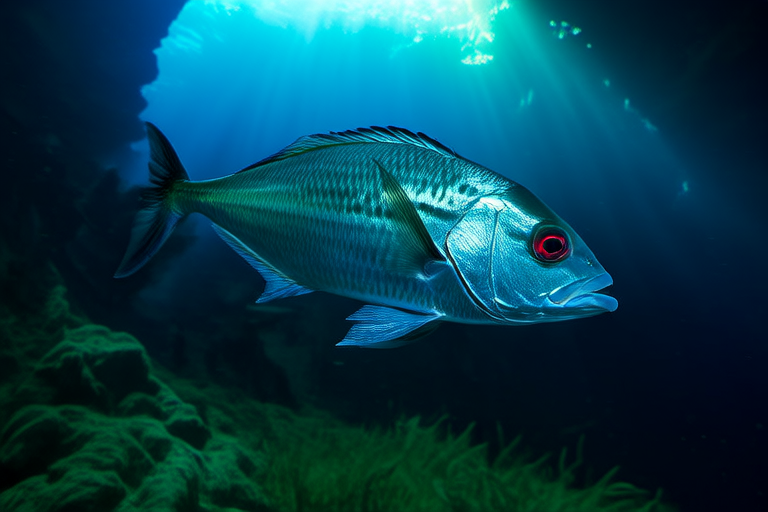
Swimming into History: Discovering the Unique Traits of Rajah Cichlid
The world of freshwater aquariums has been graced with numerous species, each offering unique characteristics and challenges. Among these, the Rajah Cichlid (Vicariance Cichlid) stands out as a species that has captured the hearts of many aquarists due to its historical significance, striking appearance, and complex behaviors. This article delves into the history, physical attributes, behavior, dietary needs, breeding habits, and the challenges and rewards of keeping the Rajah Cichlid.
Historical Significance and Native Habitat
The Rajah Cichlid has a rich history in the aquarium trade, having been introduced to hobbyists since the mid-20th century. Originating from the waters of Lake Malawi in East Africa, this species has been a favorite among enthusiasts due to its vibrant colors and intriguing behaviors. Lake Malawi, known for its diverse aquatic life, is home to hundreds of species of cichlids, and the Rajah Cichlid is one of the most popular due to its distinctive features.
This cichlid is found in the rocky areas of the lake, where it thrives in the crevices and caves formed by the ancient volcanic rocks. The water conditions in Lake Malawi are crucial for the survival of the Rajah Cichlid, characterized by high pH levels, alkaline water, and moderate hardness. These conditions have made it a challenge for aquarists to replicate in their tanks, but the effort has been worthwhile for those who appreciate the beauty and resilience of this species.
Physical Characteristics
The Rajah Cichlid is easily distinguishable from other cichlids due to its unique physical traits. Males typically grow up to 8 inches in length, while females are slightly smaller. They possess elongated bodies with a pronounced dorsal fin that extends almost to the tail. The coloration of the Rajah Cichlid is one of its most striking features; males exhibit a brilliant array of colors ranging from electric blue to deep red, often with black stripes or spots running along their sides. Females, though less colorful, still display an attractive yellowish hue.
One of the most distinctive features of the Rajah Cichlid is its prominent forehead hump, which becomes more pronounced as the fish matures. This hump is more pronounced in males and is thought to be used during courtship displays and territorial disputes. The combination of the hump, vibrant colors, and elongated fins makes the Rajah Cichlid a visually stunning addition to any aquarium.
Behavior and Dietary Needs
Rajah Cichlids are known for their active and sometimes aggressive nature. In the wild, they are primarily piscivorous, feeding on small fish and invertebrates. In captivity, however, they can be trained to accept a variety of foods, including pellets, flakes, and frozen or live foods such as brine shrimp and bloodworms. It is essential to provide a balanced diet to ensure their health and longevity.
These cichlids are highly territorial and require ample space within the aquarium. A tank of at least 75 gallons is recommended to accommodate their size and activity level. Providing plenty of hiding places and caves is also crucial, as these help reduce stress and provide a sense of security. Despite their aggression, Rajah Cichlids can be kept in community tanks with other similarly sized and tempered species, but careful planning is necessary to avoid conflicts.
Breeding Habits
Breeding Rajah Cichlids can be both rewarding and challenging. Like many cichlids, they are mouthbrooders, meaning the female carries the eggs and fry in her mouth for protection. To encourage breeding, it is important to maintain optimal water conditions and provide suitable hiding spots. A pair of Rajah Cichlids will usually establish a territory within the tank and engage in elaborate courtship displays before spawning.
Once the eggs are fertilized, the female will incubate them for about three weeks. During this time, she may refuse food and become highly protective of her brood. After the eggs hatch, the fry will remain in her mouth for another few days until they are large enough to fend for themselves. At this point, the fry can be fed infusoria and later moved to a separate tank to prevent predation by adult fish.
Challenges and Rewards
Keeping Rajah Cichlids comes with its share of challenges. Their specific water requirements and dietary needs demand attention to detail. Additionally, their territorial nature means they can be aggressive towards other fish, especially during breeding periods. However, the rewards of successfully maintaining a healthy Rajah Cichlid population are significant. Watching them display their vibrant colors and complex behaviors provides a fascinating glimpse into the natural world.
Aquarists who take on the challenge of keeping Rajah Cichlids often find themselves deeply engaged with the care and observation of these fish. The satisfaction of seeing a thriving population and witnessing successful breeding cycles can be incredibly fulfilling. Moreover, the beauty and uniqueness of the Rajah Cichlid make it a centerpiece in any freshwater aquarium.
A Remarkable Addition to Freshwater Aquariums
The Rajah Cichlid is a remarkable addition to the world of freshwater aquariums, captivating fish enthusiasts with its unique traits. From its historical significance in the aquarium trade to its striking physical characteristics and complex behaviors, this species offers much to admire. Its ability to thrive in specific water conditions and its role as a mouthbrooder further add to its allure.
For those willing to invest the time and effort, keeping Rajah Cichlids can be an enriching experience. Whether you are a seasoned aquarist or a beginner looking for a challenging project, the Rajah Cichlid offers a rewarding journey into the fascinating world of freshwater fishkeeping. Its unique traits have earned it a place of honor among aquarium enthusiasts worldwide, making it a species worth exploring.
