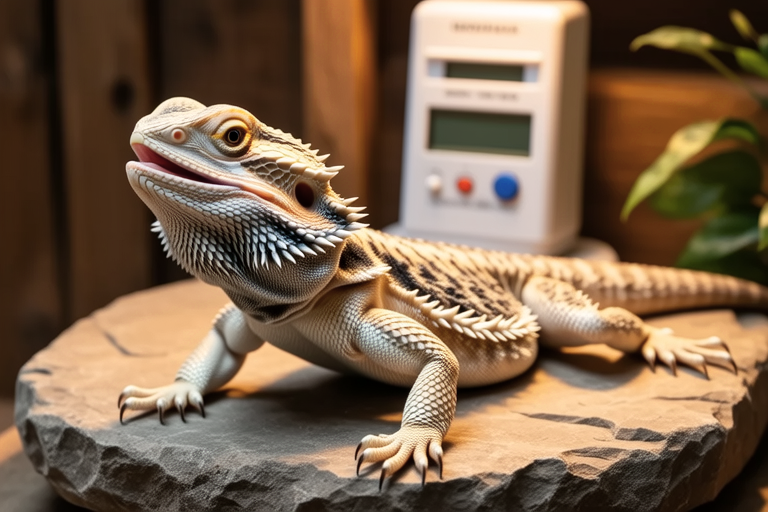
Bearded Dragon Care: Expert Tips for Beginners
Welcome to the fascinating world of bearded dragon care! As a beginner, you might feel overwhelmed by all the information available, but don’t worry. This guide will walk you through everything you need to know to keep your scaly friend happy and healthy. From setting up the perfect habitat to understanding their dietary needs, we’ve got you covered. Let’s dive into the essentials of bearded dragon care.
Habitat Setup: Creating the Ideal Environment
The first step in bearded dragon care is creating a comfortable and safe living space. Your bearded dragon’s habitat should mimic its natural environment as closely as possible. Here’s what you need to consider:
Temperature
Bearded dragons are ectothermic, which means they rely on external sources of heat to regulate their body temperature. The ideal temperature range for a bearded dragon’s habitat is between 75°F and 95°F (24°C to 35°C). You can achieve this by using a combination of under-tank heaters and overhead basking lights. A thermal gradient within the tank is crucial, allowing your dragon to move to cooler areas when it gets too warm.
Install a digital thermometer to monitor the temperature accurately. Place it at different points in the tank to ensure consistent warmth across the enclosure. Remember, maintaining the right temperature is key to your dragon’s overall health and well-being.
Lighting
Proper lighting is vital for your bearded dragon’s health. They require both UVB and UVA light to synthesize vitamin D3, which aids in calcium absorption and bone development. Use a high-quality UVB bulb that provides 10% to 12% UVB output. Position the light so that it covers about half of the tank, allowing your dragon to bask under it. Be sure to replace the bulb every six months or as recommended by the manufacturer.
In addition to UVB lighting, your bearded dragon also benefits from UVA light, which helps with mood regulation and activity levels. Full-spectrum lighting that includes both UVB and UVA is ideal. Keep the lights on for approximately 10 to 12 hours per day to simulate natural daylight cycles.
Enclosure Size
The size of the enclosure plays a significant role in your bearded dragon’s happiness and health. A general rule of thumb is to provide at least 10 gallons of space for each inch of your dragon’s length. For an adult bearded dragon, this means a minimum of a 40-gallon tank. A larger tank allows more room for climbing and exploration, which is important for mental stimulation and physical exercise.
Ensure the enclosure has multiple levels and plenty of hiding spots. Branches, rocks, and caves can provide climbing opportunities and resting places. These elements encourage natural behaviors and reduce stress.
Diet and Nutrition: Feeding Your Bearded Dragon
Feeding your bearded dragon the right diet is crucial for its growth and longevity. A balanced diet consists of a mix of live insects, vegetables, and occasional fruits. Here’s how to approach feeding:
Types of Food
Bearded dragons are omnivores, meaning they eat both plant matter and animal protein. Insects like crickets, dubia roaches, and mealworms make up the majority of their protein intake. Vegetables such as leafy greens (collard greens, mustard greens, and dandelion greens) and squash are excellent sources of vitamins and minerals. Occasionally, you can offer small amounts of fruits like strawberries or blueberries.
When selecting insects, choose those that are appropriately sized for your dragon. Crickets should be no longer than the distance between your dragon’s eyes. Gut-load the insects with nutritious foods before feeding them to your dragon to ensure maximum nutritional value.
Feeding Schedule
Newborn and juvenile bearded dragons should be fed daily, while adults can be fed every other day. Start by offering small quantities of food and gradually increase the amount as your dragon grows. Monitor your dragon’s weight and adjust the feeding schedule accordingly.
It’s important to avoid overfeeding, as obesity can lead to health problems. Always remove uneaten food after feeding to prevent contamination and spoilage. A clean environment is essential for your dragon’s health.
Handling and Socialization: Building a Bond
Handling your bearded dragon gently and regularly is key to building a strong bond. Bearded dragons can become quite tame with proper handling, making them enjoyable pets. Here are some tips for successful handling:
Handling Techniques
Always wash your hands before and after handling your dragon to maintain hygiene. Support your dragon’s entire body, especially its belly, to avoid causing discomfort or injury. Approach your dragon calmly and slowly, giving it time to get used to your presence.
Begin handling sessions with short durations and gradually increase the time as your dragon becomes more comfortable. Patience is key; rushing the process can lead to stress for both you and your pet.
Socialization
Bearded dragons are social creatures and enjoy interaction with their owners. Spend quality time with your dragon outside of its enclosure, allowing it to explore and interact in a safe environment. This helps build trust and strengthens the bond between you and your pet.
Remember, each bearded dragon has its own personality, so pay attention to your dragon’s behavior and preferences. Some may enjoy being held, while others prefer to observe from a distance. Respect your dragon’s boundaries and adjust your interactions accordingly.
Common Health Issues: Identifying and Preventing Problems
Like any pet, bearded dragons can face health challenges. Early detection and prevention are key to keeping your dragon healthy. Here are some common issues and what to look out for:
Mouth Rot
Mouth rot, or infectious stomatitis, is a bacterial infection that causes swelling, redness, and pus around the mouth. It can be caused by poor hygiene, rough handling, or overcrowding. Regular cleaning of the enclosure and providing a balanced diet can help prevent mouth rot. If you notice symptoms, consult a veterinarian immediately.
Metabolic Bone Disease
Metabolic bone disease (MBD) occurs due to calcium deficiency and improper calcium-phosphorus ratios. Signs include weak limbs, swollen joints, and difficulty moving. Ensuring a balanced diet rich in calcium and providing adequate UVB lighting are critical in preventing MBD.
Respiratory Infections
Respiratory infections can occur if the temperature in the enclosure is too low or if there’s excessive moisture. Symptoms include wheezing, labored breathing, and discharge from the nose. Maintain the correct temperature and humidity levels to prevent respiratory infections. Seek veterinary care if you suspect an infection.
Regular Maintenance: Keeping Your Dragon Happy and Healthy
To ensure your bearded dragon remains happy and healthy, regular maintenance is necessary. Here are some essential tasks:
Cleaning the Enclosure
Weekly cleaning of the enclosure is necessary to remove waste and prevent the buildup of harmful bacteria. Spot-clean the substrate daily, removing any uneaten food or feces. Once a week, perform a thorough cleaning, replacing the substrate and disinfecting all surfaces.
Use a reptile-safe cleaner to sanitize the enclosure. Rinse thoroughly and allow it to dry completely before reintroducing your dragon. A clean environment contributes to better health and reduces the risk of illness.
Monitoring Health and Behavior
Regularly check your bearded dragon for signs of illness or unusual behavior. Look for changes in appetite, activity level, and skin condition. Weigh your dragon periodically to track its growth and ensure it maintains a healthy weight.
Consult a veterinarian if you notice any concerning signs. Early intervention can prevent minor issues from becoming serious health problems.
Conclusion
Raising a bearded dragon can be a rewarding experience filled with joy and discovery. By following these expert tips, you’ll be well-equipped to provide your dragon with a loving home and the care it deserves. Remember, patience and dedication are key. With time, you’ll form a strong bond with your scaly companion and enjoy watching it grow and thrive.
Happy dragon keeping!
