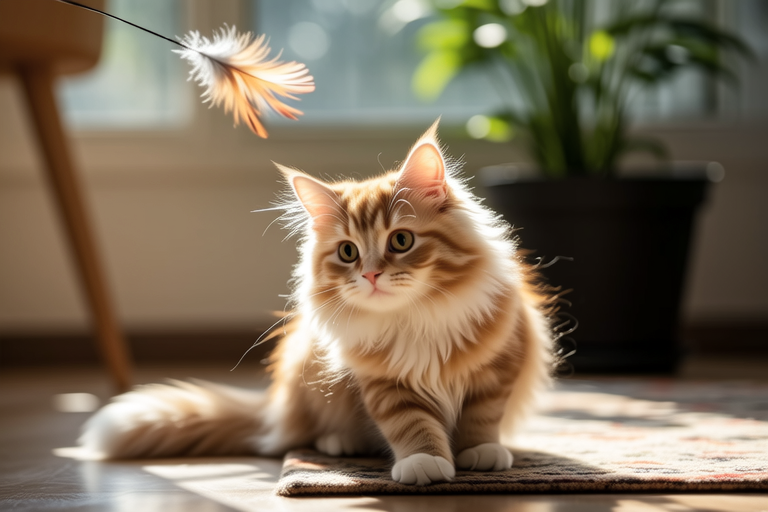
Adorable and Playful: Discover the Hidden Personality of Every Orange Cat
Orange cats have long been a source of fascination and amusement for cat enthusiasts around the world. These felines, often associated with a certain playfulness and amiability, have earned themselves a reputation as the quintessential fun-loving pets. However, beneath this popular stereotype lies a diverse range of personalities that may surprise even the most seasoned cat lover.
The Stereotypes and Their Origins
One of the most common stereotypes about orange cats is their inherent playfulness. This belief stems from the observation that many orange cats exhibit high levels of energy and curiosity, often leading to a seemingly boundless zest for life. Another widely held notion is that orange cats tend to be more affectionate and friendly compared to other colorations. This perception is supported by anecdotal evidence suggesting that orange cats frequently seek out human companionship and are more likely to engage in interactive play.
While these stereotypes provide a general framework for understanding orange cats, they fail to capture the full spectrum of their personalities. Just as no two humans are exactly alike, each orange cat carries its own unique temperament, shaped by genetics, upbringing, and environmental factors. By delving deeper into the world of orange cats, we can uncover the rich tapestry of personalities that lie beneath the surface.
Diverse Personalities Beyond the Stereotypes
Contrary to popular belief, not all orange cats are equally playful or affectionate. Some orange cats are known for their independent streaks, preferring solitude over constant companionship. Others might display a more reserved demeanor, taking their time to warm up to new people or environments. Understanding these nuances is crucial for providing the best care and interaction for your orange cat.
For instance, some orange cats are highly intelligent and resourceful, often finding creative ways to entertain themselves when left alone. One such example is Whiskers, a tabby orange cat who spends hours crafting intricate nests from discarded paper and fabric. His owner, Sarah, marvels at his ingenuity and creativity, noting that he rarely seeks her attention unless it’s on his terms. “Whiskers loves his space,” she says, “but when he does come to me, it’s always a special moment.”
Another notable trait among orange cats is their adaptability. Many orange cats excel in handling changes in their environment, making them excellent choices for households with frequent visitors or those who travel often. A study conducted by the University of California, Davis, found that orange cats were more likely to adjust quickly to new living situations compared to cats of other colors. This resilience is attributed to their genetic makeup, which predisposes them to be more adaptable and less prone to stress.
Care and Interaction Tips for Orange Cats
Given the diverse personalities of orange cats, it’s essential to tailor your approach to meet their specific needs. For owners of particularly active orange cats, providing ample opportunities for physical and mental stimulation is key. Interactive toys, puzzle feeders, and regular play sessions can help channel their energy into constructive activities. Additionally, setting aside dedicated playtime each day can strengthen the bond between you and your cat while keeping them engaged and happy.
For those with more independent orange cats, creating a comfortable and enriching environment is paramount. Providing hiding spots, climbing structures, and cozy resting areas can help them feel secure and content. It’s also important to respect their boundaries and give them space when they need it. Patience and consistency are vital in building trust with these cats, as they may take longer to open up but ultimately reward their owners with deep, meaningful connections.
Feeding habits can vary significantly among orange cats, depending on their activity levels and individual metabolisms. Some orange cats have hearty appetites and require larger portions to maintain their energy, while others may be more selective eaters. Consulting with a veterinarian to determine the appropriate diet for your orange cat is advisable. Regular check-ups can also help monitor their overall health and address any potential issues early on.
Why Orange Cats Make Wonderful Companions
Beyond their striking appearance and playful nature, orange cats offer a wealth of emotional support and companionship. Their unique personalities bring joy and warmth to their homes, creating a nurturing atmosphere for everyone involved. Whether you’re seeking a lively playmate or a calm, comforting presence, an orange cat is sure to fill that role admirably.
Moreover, the diversity in their hidden personalities ensures that no two experiences with an orange cat are ever the same. Each cat brings something special to the table, offering endless opportunities for learning and growth. From their curious minds to their unwavering loyalty, orange cats have much to offer those willing to embrace their true nature.
In conclusion, while orange cats may share some common traits, their individual personalities are as varied as they are charming. By recognizing and respecting these differences, we can create fulfilling and rewarding relationships with our orange feline friends. So, whether you’re a seasoned cat owner or considering adding an orange cat to your family, take the time to discover the hidden personality within and cherish the unique bond that awaits.
