From Shy Shells to Playful Pets: Transforming Your Three-Striped Box Turtle’s Personality
Introduction
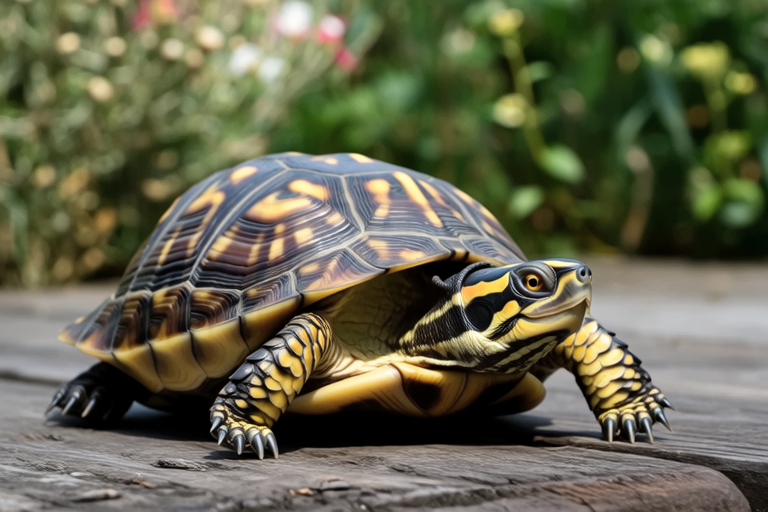
The three-striped box turtle (Terrapene carolina triunguis) is a fascinating reptile known for its distinctive three yellow stripes running down its dark brown or black shell. These turtles are native to the central United States, particularly in areas with a mix of forests and grasslands. One of their most notable traits is their inherent shyness, which makes them intriguing yet challenging pets for those looking to foster a closer bond.
Natural Behaviors and Habitats
In the wild, three-striped box turtles prefer environments that offer ample cover from predators and harsh weather conditions. They are often found under leaf litter, in dense vegetation, or near water bodies like ponds and streams. Their diet consists mainly of insects, berries, and plants, reflecting their omnivorous nature. However, due to their naturally solitary and cautious demeanor, they can be difficult to observe in the wild.
When brought into captivity, these turtles adapt to their new environment but retain much of their innate caution. Understanding their natural behaviors and needs is crucial for creating a suitable habitat that encourages exploration and interaction.
Creating a Comfortable Environment
To transform your three-striped box turtle from a shy creature to a more interactive pet, start by setting up a well-designed enclosure. The tank should mimic their natural habitat as closely as possible, providing both land and water areas. A substrate of sphagnum moss, coconut fiber, or a mixture of both can help maintain appropriate humidity levels while offering a soft surface for digging.
Lighting is another critical aspect of their care. Full-spectrum UVB lighting is essential for calcium absorption and overall health. Ensure the light source covers the entire tank, including the basking area where the temperature should reach around 85-90°F. Additionally, provide a cool end of the tank that remains between 70-75°F to allow thermoregulation.
Diet plays a significant role in encouraging interaction. Offer a varied diet rich in protein, calcium, and vitamins. Feed them live insects, chopped fruits, and vegetables. Gradually introduce new foods to see what your turtle prefers. This can also be an opportunity to engage with your pet during feeding times.
Gentle Handling Techniques
Handling your three-striped box turtle requires patience and gentleness. Always support their body fully, especially the plastron (bottom shell), to prevent injury. Avoid picking them up by their limbs or tail. Instead, gently scoop them up with both hands, ensuring you don’t squeeze too tightly. Frequent, short handling sessions can help them become accustomed to human touch over time.
It’s important to note that turtles can carry salmonella, so always wash your hands thoroughly after handling them or cleaning their enclosure. This precaution ensures both your safety and your turtle’s well-being.
Enrichment Activities
Introducing enrichment activities into your turtle’s daily routine can stimulate their curiosity and reduce stress. Create hiding spots using half logs, rocks, or artificial caves. Rotate these items periodically to keep the environment interesting. Providing a shallow water dish for soaking and swimming is also beneficial for their health and comfort.
Incorporate puzzles or toys designed for small animals that require manipulation to release treats. This not only provides mental stimulation but also offers a positive association with handling and interaction. Observing your turtle’s reaction to different stimuli can give you insight into their preferences and help tailor future activities.
Persistence and Patience
Transforming a shy three-striped box turtle into a playful pet takes time and consistent effort. Scientific studies have shown that reptiles, like many animals, respond positively to regular, gentle interactions. However, it’s essential to respect their boundaries and not force interaction. Some turtles may never become entirely outgoing, and that’s okay.
Real-life examples demonstrate the potential for change. Many turtle owners report gradual improvements in their pets’ behavior through consistent, positive reinforcement and enriching experiences. One owner shared that her turtle, initially reluctant to leave its hiding spot, now eagerly approaches her hand for food. Another noted that after several months of gentle handling, his turtle began to explore its enclosure more confidently.
In conclusion, with dedication and understanding, you can create a nurturing environment that encourages your three-striped box turtle to come out of its shell. By focusing on their physical and emotional needs, you can transform a shy pet into a loving companion. Remember, every turtle is unique, and the journey to building trust and interaction is as rewarding as the outcome itself.
