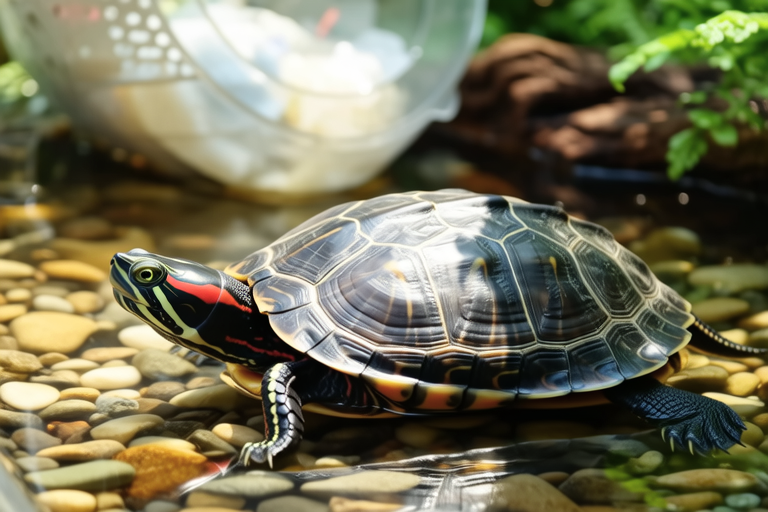
Red-eared Slider Care Made Easy: Tips from Expert Turtle Lovers
Welcome to the world of red-eared slider turtles! These charming reptiles have been a popular choice among pet enthusiasts for decades. With their striking appearance and relatively low maintenance requirements, it’s no wonder they’re beloved by many. However, owning a red-eared slider comes with responsibilities that need to be taken seriously. In this guide, we’ll share essential care tips from expert turtle lovers to help you provide the best possible life for your new aquatic friend.
Habitat Setup
Setting up the perfect habitat for your red-eared slider is crucial. These turtles require a balanced environment that mimics their natural surroundings. A well-designed tank ensures their physical and mental well-being. Let’s dive into the specifics:
- Tank Size: Red-eared sliders grow quickly, so it’s important to start with a large enough tank. For a juvenile, a 20-gallon tank will suffice, but as they mature, aim for at least 40 gallons per inch of shell length. Remember, bigger is always better!
- Water Quality: Clean water is vital for your turtle’s health. Invest in a high-quality filter that can handle the tank size and perform regular water changes. This keeps ammonia levels down and prevents bacterial growth.
- Basking Area: Turtles need a dry area to bask under a UVB light. This helps them absorb calcium and vitamin D3, which are essential for bone health. Make sure the basking spot is easily accessible and provides ample space for your turtle to stretch out.
- Substrate: Avoid using gravel or small stones as substrate; these can be ingested accidentally and cause blockages. Instead, opt for smooth pebbles or opt for a bare-bottom tank.
- Temperature: Maintain water temperatures between 75°F and 80°F (24°C to 27°C) and basking areas around 90°F (32°C). Use thermometers to monitor these temperatures accurately.
Expert Tip: “Always check the temperature gradients in your tank,” advises Dr. Emily Carter, a veterinarian specializing in reptiles. “Turtles need a range of temperatures to regulate their metabolism properly.”
Diet Recommendations
Feeding your red-eared slider a balanced diet is key to their longevity and overall health. Here are some dietary guidelines:
- Variety: Offer a mix of commercial turtle pellets, fresh vegetables, and occasional live foods like earthworms or crickets. Variety ensures they receive all necessary nutrients.
- Fresh Produce: Leafy greens such as romaine lettuce, collard greens, and dandelion leaves are excellent choices. Supplement with other vegetables like carrots, squash, and bell peppers.
- Protein Sources: Protein is vital for growth and muscle development. Feed your turtle protein-rich foods sparingly, such as mealworms, waxworms, and pinkie mice.
- Calcium and Vitamin Supplements: Calcium is crucial for strong bones and shells. Dust your turtle’s food with a calcium supplement twice weekly. Consult a vet about multivitamin supplements if needed.
Personal Anecdote: “When I first got my slider, I fed him exclusively on pellets. It wasn’t until I introduced fresh veggies that I noticed his energy levels improve dramatically,” shares Sarah Thompson, a long-time turtle owner. “He’s much more active now!”
Health Maintenance
Regular health checks and preventative care are essential to keep your turtle thriving. Here’s what you should know:
- Veterinary Check-Ups: Schedule annual visits with a reptile-savvy veterinarian. They can identify potential issues early and offer advice tailored to your turtle’s specific needs.
- Shell Health: Keep an eye on your turtle’s shell for any signs of soft spots or discoloration. These could indicate underlying health problems like metabolic bone disease.
- Eye and Skin Checks: Healthy eyes should be clear and free of discharge. Skin should remain smooth and without cuts or lesions. Any abnormalities warrant immediate attention.
- Behavioral Changes: Sudden changes in appetite, activity level, or swimming ability may signal illness. Address these concerns promptly to prevent complications.
Expert Advice: “Early intervention is critical,” says Dr. Carter. “Even minor symptoms can escalate rapidly in turtles. Don’t hesitate to seek professional help.”
Common Mistakes to Avoid
Even with the best intentions, turtle owners sometimes make mistakes. Here are some pitfalls to watch out for:
- Overfeeding: Like humans, turtles can become overweight if fed too much. Stick to recommended portion sizes and avoid feeding daily. Offer food every other day for adults.
- Incorrect Lighting: Insufficient UVB lighting can lead to vitamin D3 deficiency, causing metabolic bone disease. Ensure your turtle has access to proper lighting during daylight hours.
- Inadequate Filtration: Poor water quality due to inadequate filtration can result in respiratory infections and skin diseases. Invest in a powerful filter and change water regularly.
- Lack of Exercise: Encourage your turtle to swim and bask by providing ample space and enrichment. Lack of exercise can contribute to obesity and weakened muscles.
Personal Insight: “I used to worry about overfeeding because I wanted my turtle to be happy,” reflects Thompson. “But learning the right balance has made a huge difference.”
Responsible Pet Ownership and Environmental Considerations
Owning a red-eared slider carries significant responsibility. These turtles can live for several decades, so it’s important to commit to their care. Additionally, consider the environmental impact of releasing captive-bred turtles into the wild. They can disrupt local ecosystems and spread diseases.
Expert Recommendation: “Before bringing home a red-eared slider, ensure you’re prepared for the long-term commitment,” advises Dr. Carter. “Research thoroughly and consult with experienced owners and professionals.”
Environmental Impact: “Releasing pet turtles can devastate native species,” warns Dr. Carter. “If you can no longer care for your turtle, find a reputable rescue or sanctuary to rehome it.”
Conclusion
Caring for a red-eared slider is a rewarding experience filled with joy and discovery. By following these tips and maintaining a responsible attitude, you can ensure your turtle lives a healthy, fulfilling life. Remember, each turtle is unique, so adapt these guidelines to suit your pet’s individual needs. Happy turtle keeping!
