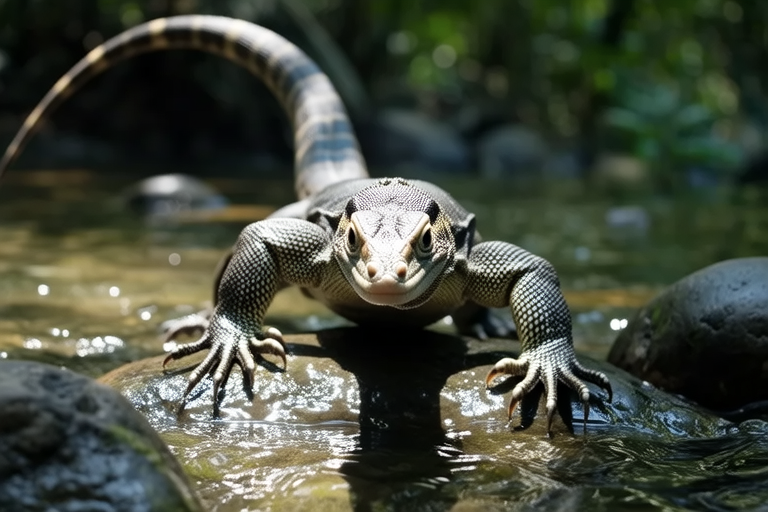
Water Monitors Uncovered: Debunking Myths and Providing Real Insights
Water monitors (Varanus salvator) are one of the largest lizards in the world, native to Southeast Asia. They are often surrounded by myths and misconceptions that can lead to misunderstandings about their behavior, diet, and habitat. This article aims to provide accurate information, debunk common myths, and offer real insights into these fascinating creatures.
Debunking Common Myths
Myth 1: Water monitors are aggressive and dangerous to humans. While it’s true that water monitors can be aggressive if threatened or mishandled, they are generally not aggressive towards humans. In their natural habitat, they prefer to avoid confrontation. Their size and strength are often exaggerated, leading people to believe they are highly dangerous. In reality, water monitors are more likely to flee than fight.
Myth 2: Water monitors only eat meat. It’s commonly believed that water monitors are strictly carnivorous, but this isn’t entirely true. In the wild, they have a varied diet that includes insects, small mammals, birds, fish, and even fruits. Their diet can vary depending on availability, making them opportunistic feeders.
Myth 3: Water monitors can only live in tropical climates. While water monitors thrive in tropical environments, they can adapt to other climates as long as their basic needs are met. Captive water monitors can be successfully kept in cooler regions if provided with appropriate heating and humidity.
Natural Habitats and Dietary Needs
Water monitors are semi-aquatic and are found in a variety of habitats, including forests, mangroves, swamps, and grasslands. They are excellent swimmers and can stay submerged for extended periods. Their natural diet consists of a wide range of prey, from small animals to large fish, and occasionally plant matter. In captivity, their diet should be balanced to include a variety of protein sources, such as rodents, insects, and fish.
Physical Characteristics and Lifespan
Water monitors can grow up to 3 meters in length and weigh over 50 kilograms. They have strong limbs, sharp claws, and powerful tails used for swimming and defense. Their skin is covered in scales, which can vary in color from brown to green, depending on the species and environment. On average, water monitors live between 10 and 15 years in the wild, but in captivity, they can live up to 20 years with proper care.
Care Requirements When Kept as Pets
Keeping a water monitor as a pet requires a significant commitment. They need a spacious enclosure that allows for swimming, basking, and climbing. The enclosure should be equipped with UVB lighting and a heat source to maintain an appropriate temperature gradient. Humidity levels should also be carefully controlled. A varied diet rich in protein is essential for their health, and regular veterinary check-ups are recommended.
Interaction with Humans
Water monitors are intelligent and curious animals, capable of forming bonds with their owners. However, due to their size and strength, they require experienced handlers. Proper socialization from a young age can help prevent aggressive behavior. Regular interaction and training can make handling easier and safer.
Tips for Responsible Ownership
When considering a water monitor as a pet, it’s crucial to understand the commitment involved. Potential owners should research extensively, prepare adequately, and ensure they can provide the necessary care. Responsible ownership involves providing a suitable habitat, a balanced diet, and regular veterinary care. Additionally, owners should consider the impact of keeping a large reptile on their lifestyle and family dynamics.
Conservation Efforts
Water monitors are listed as ‘Least Concern’ on the IUCN Red List, but their populations are declining due to habitat loss and hunting. Conservation efforts focus on protecting their natural habitats and raising awareness about the importance of preserving biodiversity. Supporting conservation organizations and participating in community initiatives can contribute to the preservation of water monitors and their ecosystems.
In conclusion, water monitors are remarkable animals with unique characteristics and behaviors. By understanding their true nature and needs, we can appreciate them more fully and contribute to their conservation. Whether as pets or subjects of study, water monitors offer endless fascination and learning opportunities.
