From Alaska to Your Couch: The Complete Siberian Husky Guide
The Siberian Husky, a breed that has captured hearts around the world, is more than just a beautiful dog; it’s a testament to resilience and companionship. This guide will take you through the history, characteristics, care, and integration of this magnificent breed into your family.
History and Origin
Siberian Huskies originated from the Chukchi people of Northeastern Asia, where they were bred for their endurance and strength as sled dogs. Their journey to North America began in the early 20th century when they were brought over to participate in sled races. These dogs quickly gained fame for their speed and stamina, winning numerous competitions. Today, while still used in mushing, they are also cherished as family pets.
Physical Characteristics
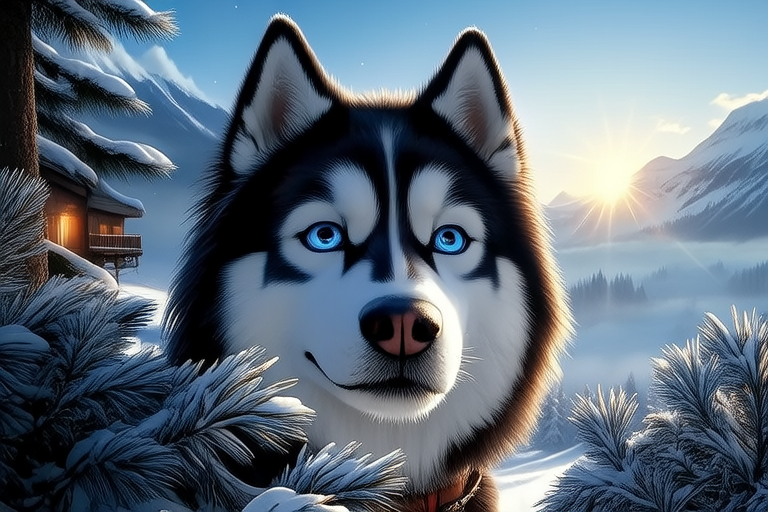
With striking blue or multi-colored eyes, a thick double coat, and a wolf-like appearance, Siberian Huskies are easily recognizable. They typically weigh between 35 to 60 pounds and stand at about 20 to 24 inches tall. Their coats come in various colors, including black, gray, copper, and white, often featuring distinctive facial masks and capes.
Temperament
Siberian Huskies are known for their friendly and outgoing nature. They are generally good with children and other animals, making them excellent family pets. However, due to their strong prey drive, supervision is necessary when they’re around smaller pets. Their independent streak can sometimes lead to stubbornness, but with proper training, they can be loyal and loving companions.
Common Health Issues
Like many breeds, Siberian Huskies are prone to certain health conditions such as hip dysplasia, eye problems like progressive retinal atrophy (PRA), and hypothyroidism. Regular veterinary check-ups and a balanced diet can help manage these issues effectively.
Exercise Needs
Siberian Huskies have high energy levels and require plenty of exercise. Daily walks and play sessions are essential to keep them physically fit and mentally stimulated. Without adequate activity, they may become restless and destructive.
Dietary Requirements
A well-balanced diet rich in proteins and fats is crucial for maintaining the health of a Siberian Husky. Consultation with a veterinarian can help determine the appropriate amount and type of food based on age, weight, and activity level. Avoid overfeeding to prevent obesity, which can lead to joint problems.
Grooming Tips
Huskies shed heavily twice a year, so regular brushing is necessary to manage shedding. During peak shedding periods, daily brushing might be required. Additionally, keeping their nails trimmed, teeth clean, and ears checked for infections are important maintenance tasks.
Training Techniques
Positive reinforcement methods work best with Siberian Huskies. Patience is key, given their independent nature. Consistent training sessions that are short and fun can help establish a strong bond and effective communication between owner and dog.
Adaptability to Different Living Environments
Siberian Huskies thrive in cold climates due to their thick coats, but they can also adjust to warmer environments if provided with ample shade and water. However, they need space to run and play, making apartment living less ideal unless there are opportunities for daily outdoor activities.
Choosing the Right Accessories
Invest in quality collars, leashes, and harnesses designed for active dogs. For colder weather, consider insulated jackets or sweaters. Toys that encourage mental stimulation, like puzzle feeders, can also enhance their quality of life.
Integrating a Siberian Husky into a Family Setting
Owning a Siberian Husky comes with significant responsibilities, including ensuring they get enough exercise, proper nutrition, and social interaction. However, the rewards are immense. Their loyalty, companionship, and unique personalities make them cherished members of the family. It’s important to educate all family members about handling and interacting with the dog safely and respectfully.
In conclusion, adopting a Siberian Husky is a commitment that requires dedication and understanding. By providing them with love, care, and attention, you’ll enjoy years of companionship with one of nature’s most fascinating creatures.
