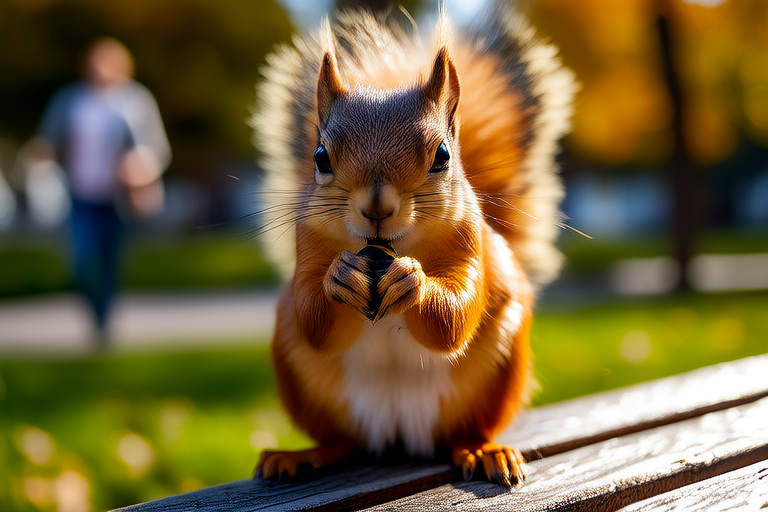
Squirrels in Urban Areas: Adapting, Interacting, and Surviving
Urbanization has reshaped the natural world, pushing many species to adapt to new environments. Among these adaptable creatures are squirrels, which have thrived in cities worldwide. These small mammals, known for their charm and cheeky behavior, have seamlessly integrated into urban landscapes, creating a unique relationship with human inhabitants.
Adaptation to City Life
Squirrels have demonstrated remarkable adaptability to urban environments. Their diet has expanded to include human-provided foods such as birdseed, nuts, and even discarded food scraps. This dietary flexibility allows them to thrive despite limited natural resources. Additionally, squirrels have learned to navigate urban infrastructure, utilizing parks, gardens, and buildings for shelter and nesting. They have also developed an acute awareness of human presence, often appearing bold yet cautious around people.
Endearing Traits and Mischievous Habits
Squirrels possess several endearing traits that make them popular among city dwellers. Their playful antics, such as acrobatic leaps and chases, entertain onlookers. Many people find joy in watching squirrels gather and bury nuts, a behavior that showcases their industrious nature. However, squirrels are also known for their mischievous habits. They frequently raid bird feeders, causing frustration for backyard bird enthusiasts. Despite these annoyances, most people view squirrels with amusement rather than anger.
Ecological Impact
The presence of squirrels in urban areas can have both positive and negative ecological impacts. On one hand, squirrels help disperse seeds, contributing to the growth of native plants. Their digging activities also aerate soil, promoting healthier plant growth. On the other hand, squirrels can be pests, consuming crops and damaging gardens. In some cases, they may outcompete native species for resources, potentially altering local ecosystems. Nonetheless, their overall contribution to urban biodiversity is generally seen as beneficial.
Interactions with Humans
Humans and squirrels share a complex relationship. While some people enjoy feeding and observing squirrels, others view them as nuisances. Despite this mixed perception, squirrels have managed to establish a harmonious coexistence with humans in many cities. For instance, a study conducted in New York City found that squirrels living near Central Park were more likely to approach humans for food compared to those in less frequented areas. This suggests that squirrels have learned to associate humans with potential sources of sustenance, further reinforcing their adaptation to urban life.
Challenges Faced by Squirrels
Despite their success in urban environments, squirrels still face numerous challenges. One major threat is vehicle collisions, as squirrels often cross busy streets in search of food or shelter. Another issue is predation by domestic cats and dogs, which can significantly reduce squirrel populations in certain areas. Additionally, squirrels may suffer from habitat loss due to urban development. As cities expand, green spaces shrink, forcing squirrels to compete for limited resources. Conservation efforts, such as creating wildlife corridors and preserving green areas, can help mitigate these challenges and ensure the continued survival of urban squirrels.
Anecdotes and Studies
One memorable anecdote involves a squirrel named “Charlie” who became famous in a small town for his frequent visits to a local bakery. Charlie would enter the bakery through an open door and wait patiently for patrons to offer him treats. His antics quickly gained attention, and he soon became a beloved figure in the community. This story highlights the close bond that can develop between squirrels and humans in urban settings.
A recent study published in the journal Urban Ecosystems explored the effects of urbanization on squirrel behavior. Researchers observed that squirrels living in densely populated areas exhibited higher levels of stress compared to those in less urbanized regions. This finding underscores the importance of maintaining green spaces within cities to provide suitable habitats for wildlife. By preserving natural areas, cities can support healthy squirrel populations while minimizing negative interactions with humans.
Conclusion
Squirrels have successfully adapted to city life, showcasing their ability to thrive in diverse environments. Their charming behaviors and playful antics have endeared them to many urban dwellers, while their mischievous habits provide moments of amusement. The ecological impact of squirrels in urban areas is generally positive, although challenges such as habitat loss and predation continue to pose threats. By understanding the unique relationship between squirrels and urban spaces, we can work towards creating more sustainable and harmonious communities for both humans and wildlife.
