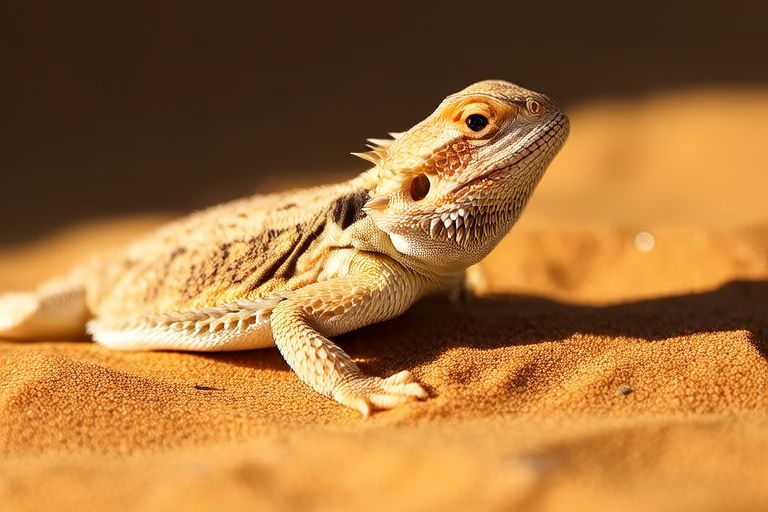
From Hatchling to Adult: The Complete Guide to Bearded Dragon Growth Stages
Bearded dragons are popular reptiles among pet owners due to their docile nature and striking appearance. Understanding the various stages of growth is crucial for providing proper care throughout their life cycle. This guide will take you through each phase of a bearded dragon’s development, from hatchling to adult, highlighting key physical changes, dietary needs, habitat requirements, and behavioral developments.
Stage 1: The Hatchling (0-2 months)
The first stage of a bearded dragon’s life begins when it hatches from its egg. Hatchlings are tiny, measuring only about 4 inches in length, and they have soft bodies that are prone to injury. At this stage, they are entirely dependent on their parents or caregivers for survival.
- Physical Changes: Newborn bearded dragons have small heads with large eyes, short tails, and tiny claws. Their skin is smooth and delicate, which makes them susceptible to damage. As they grow, their scales become more pronounced, and their coloration becomes more vibrant.
- Dietary Needs: Hatchlings require a diet rich in protein to support rapid growth. They should be fed insects such as crickets, mealworms, and waxworms daily. It is important to offer appropriately sized prey items to prevent choking. Additionally, calcium supplementation is essential to promote healthy bone development.
- Habitat Requirements: A small enclosure, around 20 gallons, with a temperature gradient ranging from 90°F to 100°F at one end and 75°F to 85°F at the other end, is suitable for hatchlings. The substrate should be easy to clean and free of sharp edges to prevent injuries. UVB lighting is necessary for calcium absorption and overall health.
- Behavioral Developments: Bearded dragons are social creatures but may exhibit shyness during this early stage. Providing hiding spots and minimizing handling can help reduce stress. Gradually introducing interaction will encourage them to become comfortable with human presence.
- Care Tips: Monitor your bearded dragon’s weight regularly to ensure healthy growth. Offer fresh water daily and maintain humidity levels between 30% and 40%. Clean the enclosure frequently to prevent bacterial infections.
Stage 2: The Juvenile (2-6 months)
During the juvenile stage, bearded dragons experience significant growth and development. By now, they have grown larger and stronger, with more defined features. Their personalities start to emerge, making this an exciting time for both the owner and the pet.
- Physical Changes: Juveniles continue to grow rapidly, reaching lengths of up to 12 inches. Their scales become harder and more colorful, and their beards begin to develop. The tail thickens as muscles strengthen, and the body becomes more robust.
- Dietary Needs: Juveniles still need a high-protein diet but can start incorporating more vegetables into their meals. Feed them a mix of insects and finely chopped leafy greens like kale, collard greens, and mustard greens. Ensure that all food items are appropriately sized for their mouth.
- Habitat Requirements: As juveniles grow, they require a larger enclosure, approximately 40 gallons, to accommodate their increasing size. Maintain the same temperature gradient as before but increase the basking spot temperature to 110°F. Use a secure lid to prevent escapes.
- Behavioral Developments: Juveniles become more active and curious, exploring their environment more thoroughly. They may show signs of aggression towards other dragons or unfamiliar objects. Socialization is important during this period to prevent future behavioral issues.
- Care Tips: Handle your bearded dragon gently and consistently to build trust. Provide climbing structures and branches for exercise. Regularly check for signs of illness, such as lethargy or loss of appetite.
Stage 3: The Subadult (6-12 months)
The subadult stage marks the transition from adolescence to adulthood. During this period, bearded dragons reach nearly full size, with males typically growing larger than females. Their behavior becomes more predictable, and they develop distinct personalities.
- Physical Changes: Subadults have reached approximately 80% of their final length, around 18-24 inches depending on the species. Their scales are well-developed, and their beards are fully grown. Males develop prominent spikes along their necks and backs.
- Dietary Needs: Continue feeding a balanced diet consisting of insects and vegetables. Increase the variety of vegetables offered, including carrots, squash, and bell peppers. Limit fatty foods like waxworms to occasional treats.
- Habitat Requirements: A spacious enclosure, at least 75 gallons, is recommended for subadults. Ensure there is ample space for movement and basking. The basking spot should remain at 110°F, while the cooler side should stay between 80°F and 90°F.
- Behavioral Developments: Subadults become more confident and assertive. They may display territorial behaviors, especially males. Encourage positive interactions by providing enrichment activities and maintaining a consistent routine.
- Care Tips: Pay attention to any changes in behavior that could indicate health problems. Perform routine check-ups for parasites and ensure proper hygiene practices.
Stage 4: The Adult (12+ months)
Adult bearded dragons have reached their full potential, both physically and behaviorally. They are generally calm and easy to handle, making them ideal pets for experienced reptile enthusiasts.
- Physical Changes: Adults have reached their maximum size, usually between 18 and 24 inches long. Their scales are mature, and their coloration is vibrant. Females tend to have smoother skin compared to males, who have rougher patches.
- Dietary Needs: Adults require a varied diet that includes both insects and vegetables. Offer a mix of crickets, dubia roaches, and dark leafy greens. Ensure adequate hydration by providing fresh water daily.
- Habitat Requirements: An adult bearded dragon requires a large enclosure, preferably 75 gallons or more, to provide ample space for exercise and exploration. Maintain the temperature gradient as described earlier, with appropriate lighting and ventilation.
- Behavioral Developments: Adults are generally docile and enjoy interacting with their owners. They may engage in head bobbing, arm waving, or puffing out their beards as forms of communication. Regular handling helps maintain social bonds.
- Care Tips: Monitor your adult bearded dragon’s health closely, paying special attention to weight fluctuations and activity levels. Schedule annual veterinary check-ups to catch potential issues early.
In conclusion, understanding the different stages of bearded dragon growth is vital for ensuring their well-being. Each phase presents unique challenges and opportunities for bonding, so providing appropriate care tailored to their specific needs will lead to a long and happy life for your pet. Whether you’re caring for a tiny hatchling or a mature adult, always prioritize their health and happiness above all else.
