How to Decode the Mysterious Behaviors of Your Siamese Cat
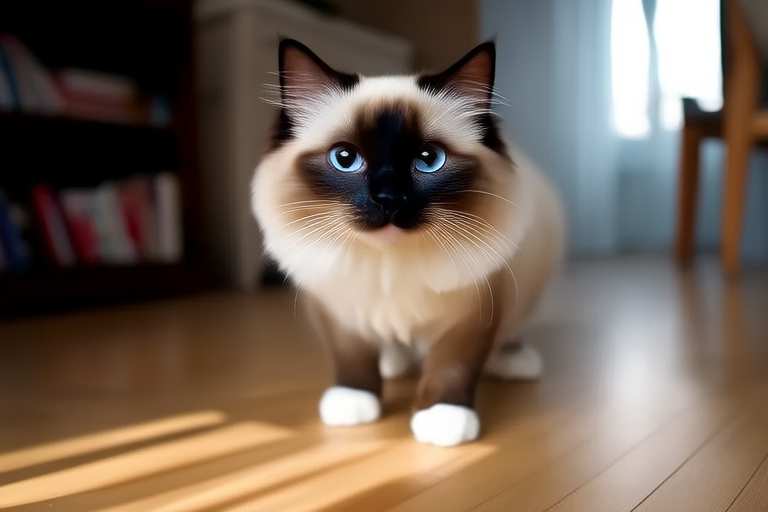
The Siamese cat is a breed known for its striking appearance and unique personality. With their sleek, slender bodies, striking blue almond-shaped eyes, and expressive faces, these cats are often considered one of the most vocal and social breeds. However, their behavior can sometimes be confusing or even mysterious to their human companions. Understanding the nuances of your Siamese cat’s behavior can significantly enhance your relationship with them. This article aims to decode some of the most common behaviors exhibited by Siamese cats and provide practical advice on how to interpret and respond to these behaviors.
Understanding Typical Siamese Cat Behaviors
Siamese cats are highly intelligent and curious creatures. They are known for their vocal nature, often meowing, chirping, and making various sounds to communicate with their owners. Their communication isn’t just about getting attention; it’s also a way for them to express their feelings, needs, and desires. Siamese cats are also very social and thrive on interaction with humans and other animals. They enjoy being part of the family and may become distressed if left alone for long periods.
Another notable trait of Siamese cats is their playfulness. They love to engage in interactive play, which helps them stay mentally and physically stimulated. Toys that encourage hunting and chasing instincts, such as feather wands or laser pointers, are particularly popular with this breed. Additionally, Siamese cats are known for their affectionate nature. They often seek out physical contact with their owners, such as sitting on laps or curling up next to them while sleeping.
Why Do Siamese Cats Act the Way They Do?
The reasons behind Siamese cat behaviors are rooted in both their genetic makeup and their environment. Siamese cats were originally bred in Thailand (formerly Siam) and were revered for their intelligence and loyalty. Over time, they have been selectively bred to enhance certain traits, including their vocalization and social tendencies. These traits are part of what makes Siamese cats so beloved by many owners.
In terms of their environment, Siamese cats thrive in environments where they receive plenty of attention and stimulation. They are not solitary animals and prefer to be part of a household where they can interact with humans and other pets. If they are left alone for extended periods without mental or physical stimulation, they may develop behavioral issues such as excessive meowing or destructive behaviors. Providing a stimulating environment, including toys, scratching posts, and opportunities for play, can help prevent these issues.
Tips for Understanding and Responding to Siamese Cat Cues
One of the best ways to understand your Siamese cat’s behavior is to pay close attention to their body language and vocalizations. Siamese cats are very expressive, and they use their body posture, facial expressions, and vocal cues to communicate their emotions and needs. For example, when a Siamese cat is happy, they may purr, knead their paws, or rub against you. Conversely, if they are feeling stressed or anxious, they may hide, flatten their ears, or hiss.
To effectively respond to your Siamese cat’s cues, it’s important to establish clear routines and boundaries. Siamese cats are creatures of habit and appreciate consistency in their daily routine. Feeding times, play sessions, and grooming schedules should be kept as regular as possible. Additionally, it’s crucial to set appropriate boundaries to ensure that your cat feels safe and secure. This includes providing designated spaces for them to retreat to when they need some alone time.
Positive reinforcement is another key strategy for understanding and responding to your Siamese cat’s behavior. Rewarding good behavior with treats, praise, or extra playtime can help reinforce desired actions. However, it’s equally important to avoid punishing your cat for unwanted behavior, as this can lead to fear or aggression. Instead, redirect their attention to more appropriate activities or provide alternative outlets for their energy.
Strengthening the Bond Between Owner and Cat Through Better Understanding of Behavior Patterns
Better understanding your Siamese cat’s behavior can lead to a stronger, more fulfilling bond between you and your pet. By recognizing their individual preferences and needs, you can tailor your interactions to suit their personality. For instance, if your Siamese cat enjoys cuddling, make sure to allocate time each day for snuggling. If they prefer playing with specific toys, invest in those items to keep them entertained.
Spending quality time with your Siamese cat is essential for building a strong bond. Engage in activities that both you and your cat enjoy, whether it’s playing fetch, teaching them tricks, or simply lounging together. The more time you spend interacting with your cat, the more comfortable and trusting they will become with you. This trust can lead to a deeper emotional connection, making your relationship even more rewarding.
Finally, consider enrolling in a training class or seeking guidance from a professional trainer if you’re struggling with certain behaviors. Many Siamese cats respond well to positive reinforcement training, which can help address issues like scratching furniture or jumping onto countertops. A trained professional can provide personalized advice and techniques to improve your cat’s behavior and strengthen your bond.
Conclusion
Decoding the mysterious behaviors of your Siamese cat requires patience, observation, and a willingness to learn. By understanding the reasons behind their actions and responding appropriately, you can build a stronger, more meaningful relationship with your feline companion. Remember that every Siamese cat is unique, and what works for one may not work for another. Take the time to get to know your cat’s individual preferences and needs, and you’ll be rewarded with a loyal, loving, and deeply bonded friend.
