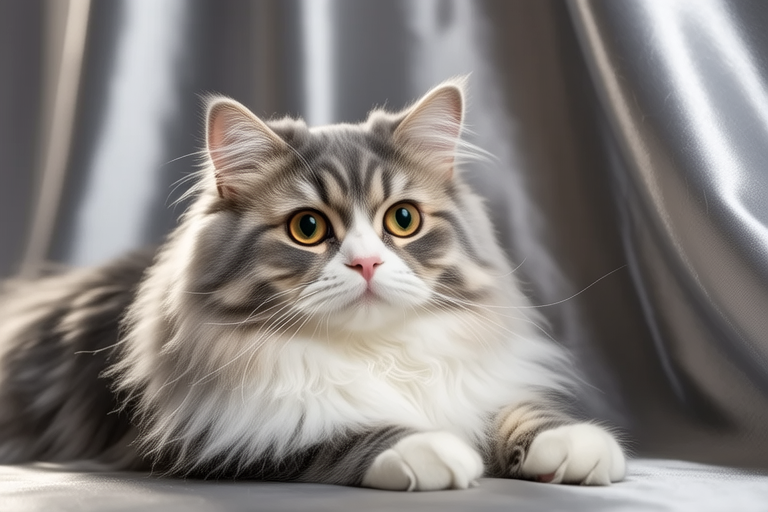
Why Persian Cats Are More Than Just Pretty Faces
Persian cats have long been admired for their striking appearance, but these felines are more than just pretty faces. They possess unique personalities, require specific health care and grooming, and have an interesting historical background. This article will delve into the multifaceted world of Persian cats, addressing common misconceptions, providing valuable insights for potential owners, and enriching the knowledge of current owners.
Unique Personalities
Contrary to popular belief, Persian cats are not aloof or indifferent. They are affectionate, gentle, and loyal companions who thrive in serene environments. Studies show that Persian cats form strong bonds with their human families, often seeking out their owners for comfort and companionship. Their calm demeanor makes them ideal for households with children and other pets. Anecdotes from pet owners highlight how these cats can be playful yet respectful, engaging in gentle play while avoiding overly boisterous activities that might upset them.
Intelligence plays a significant role in the behavior of Persian cats. They are known to be curious and observant, often exploring their surroundings with purpose. Many owners report that their Persians learn quickly and can even be trained to perform simple tricks or respond to commands. This intelligence, combined with their affectionate nature, makes Persian cats excellent companions for those seeking a pet that is both smart and loving.
Health Care Needs
While Persian cats are generally healthy, they are prone to certain genetic conditions that require vigilant monitoring. One of the most common issues is polycystic kidney disease (PKD), a condition where cysts develop in the kidneys. Early detection through ultrasound screening is crucial, as it allows for better management of the disease and improves the cat’s quality of life. Regular veterinary check-ups are essential for maintaining the overall health of Persian cats.
In addition to PKD, Persian cats may also suffer from respiratory issues due to their flattened faces. This characteristic, known as brachycephaly, can lead to breathing difficulties and increased susceptibility to upper respiratory infections. To mitigate these risks, owners should ensure their cats have access to fresh air and avoid exposing them to dusty or smoky environments. Regular cleaning of the nasal passages under the guidance of a veterinarian can also help prevent complications.
Grooming Requirements
The luxurious coat of a Persian cat is one of its defining features, but it comes with a significant amount of maintenance. Daily brushing is necessary to prevent matting and tangling, especially in areas such as behind the ears and around the tail. Owners should invest in high-quality brushes specifically designed for long-haired cats. Additionally, regular bathing is recommended every four to six weeks to keep the coat clean and free from dirt and oil buildup.
Nail trimming is another important aspect of grooming. Persian cats tend to have longer nails that can easily become overgrown if not attended to regularly. Overgrown nails can cause discomfort and may lead to scratching furniture or carpets. Owners should familiarize themselves with proper nail trimming techniques or seek assistance from a professional groomer. Dental hygiene is also vital for the overall health of Persian cats. Brushing their teeth at least twice a week can help prevent dental diseases and maintain good oral health.
Historical Background
The origins of the Persian cat trace back to ancient Persia, now known as Iran. These cats were first introduced to Europe in the 1600s and quickly became popular among the nobility. Over time, breeders selectively bred these cats to enhance their physical characteristics, resulting in the modern-day Persian cat. The breed’s long history has contributed to its enduring popularity, making it one of the oldest and most recognizable breeds in the world.
Throughout history, Persian cats have been depicted in art and literature, symbolizing elegance and grace. In the 19th century, they were featured in paintings by renowned artists such as Sir Edwin Landseer and Sir Frederic Leighton. Today, Persian cats continue to captivate people with their regal appearance and charming personalities. Understanding the breed’s rich history can provide owners with a deeper appreciation for their beloved pets.
Common Misconceptions
One common misconception about Persian cats is that they are lazy and uninterested in their surroundings. While it is true that Persian cats enjoy lounging around, they are far from being inactive. They engage in playful activities and are curious about their environment. Another myth is that they require less attention than other breeds. However, Persian cats are social animals that thrive on interaction with their human families. Providing them with mental stimulation through toys and games can help prevent boredom and promote a healthy lifestyle.
Some people believe that Persian cats are difficult to care for due to their long coats. While it is true that grooming requires dedication, many owners find the process rewarding and enjoyable. With proper care, Persian cats can live long, happy lives. By dispelling these myths, potential owners can make informed decisions when considering adding a Persian cat to their family.
Conclusion
Persian cats are more than just pretty faces; they are intelligent, affectionate, and loyal companions. Their unique personalities, specific health care needs, and grooming requirements make them special pets that require dedicated care. By understanding the breed’s history and addressing common misconceptions, owners can provide their Persian cats with the best possible life. Whether you are a prospective owner or a seasoned pet parent, deepening your knowledge about Persian cats can strengthen the bond between you and your feline friend.
