How the Turkish Angora Became a Symbol of Elegance
The Turkish Angora, a breed of cat renowned for its elegance and grace, has a rich history that stretches back thousands of years. Originating from the Ankara region in central Turkey, this feline has been cherished for centuries, not only as a companion but also for its symbolic representation of nobility and refinement. The Turkish Angora’s journey from a local favorite to a globally recognized symbol of elegance is a testament to its unique beauty and the enduring appeal it holds.
Origins in Ancient Turkey
The Turkish Angora can trace its roots back to the ancient city of Ankara, formerly known as Angora, located in the heart of Turkey. This breed has been part of the region’s heritage for millennia, with historical records and folklore depicting the cat as a beloved pet among royalty and nobility. In fact, Turkish Angoras were often presented as gifts to visiting dignitaries, further cementing their status as symbols of prestige and wealth.
Historically, these cats were revered for their agility, intelligence, and loyalty. They were believed to bring good fortune to their owners, and their presence was thought to ward off evil spirits. Legends tell of Turkish Angoras being kept in harems, where they were pampered and protected. Their graceful movements and serene demeanor made them ideal companions for the ladies of the court.
Unique Physical Traits
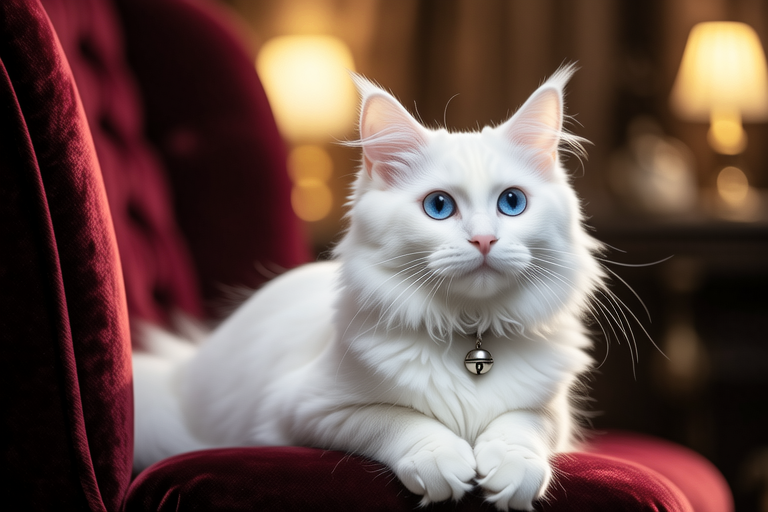
One of the most striking features of the Turkish Angora is its luxurious, silky white coat. This coat, which can be long or medium in length, is soft to the touch and requires minimal grooming. However, the breed is not limited to white; it comes in various colors, including black, red, and tabby patterns, though the white coat remains the most iconic. The Turkish Angora’s coat is not just a matter of aesthetics; it is also a reflection of the breed’s adaptability to the varied climates of Turkey.
Equally mesmerizing are the Turkish Angora’s large, expressive blue eyes. These striking blue orbs are a hallmark of the breed and add to its ethereal charm. The combination of the white fur and piercing blue eyes creates an almost otherworldly appearance, contributing significantly to the cat’s reputation for elegance. The eyes are not just beautiful but also highly functional, allowing the cat to see clearly even in low light conditions, a trait that has been honed over centuries of hunting and survival.
In addition to their distinctive appearance, Turkish Angoras possess a slender, graceful body structure. They are medium-sized cats with long legs and a lithe build, making them exceptionally agile and athletic. Their tails are long and flowing, adding to their overall elegance. The breed’s sleek lines and refined features make them stand out in any setting, whether at home or in a cat show.
Gaining Recognition in Cat Shows
The Turkish Angora’s journey to global recognition began in the early 20th century when it was introduced to cat fanciers outside of Turkey. The breed quickly gained popularity due to its unique appearance and desirable traits. The first Turkish Angoras were exhibited in cat shows in Europe and the United States during the 1930s, and by the mid-20th century, they had become a favorite among breeders and cat enthusiasts.
One of the key moments in the Turkish Angora’s rise to prominence came in 1962 when the Cat Fanciers’ Association (CFA) officially recognized the breed. Since then, the Turkish Angora has been a regular feature in cat shows around the world, consistently winning awards for its elegance and grace. The breed’s success in these shows has helped to solidify its reputation as one of the most beautiful and regal cat breeds.
Over the years, the Turkish Angora has been featured in numerous cat shows and exhibitions, drawing crowds with its striking appearance and captivating personality. Its presence in these events has not only increased its visibility but has also contributed to the breed’s growing popularity. Today, Turkish Angoras can be found in homes, shelters, and cat shows across the globe, continuing to captivate hearts and minds wherever they go.
Anecdotes and Historical Events
One of the most famous stories involving the Turkish Angora occurred during World War II when a pair of Turkish Angoras was sent as a gift to the United States. The cats, named Mischief and Trouble, were given to General Mark Clark as a token of appreciation for his efforts in liberating Italy. The general’s affection for the cats grew, and he eventually brought them back to the United States, where they became the foundation of a new breeding program. This story highlights the breed’s role in diplomatic relations and its ability to bridge cultures through its elegance and charm.
Another significant event in the Turkish Angora’s history took place in the 1950s when a group of Turkish Angoras was imported into the United States to help preserve the breed. At the time, the breed was facing extinction due to crossbreeding with other cat breeds. The importation of these cats helped to establish a new population in the United States, ensuring the survival of the Turkish Angora. This event underscores the importance of conservation efforts in preserving rare and valuable breeds.
Throughout history, the Turkish Angora has played a notable role in various cultural contexts. For example, Turkish Angoras have been featured in paintings, literature, and even advertisements, further enhancing their image as symbols of elegance and sophistication. Their portrayal in these mediums has helped to shape public perception and has contributed to their enduring popularity.
Enduring Appeal and Cultural Impact
The Turkish Angora’s enduring appeal lies in its unique combination of beauty, grace, and intelligence. These cats are not only stunning to look at but are also highly affectionate and social, making them excellent companions for people of all ages. Their gentle nature and playful demeanor make them ideal pets for families and individuals alike.
Culturally, the Turkish Angora continues to be celebrated in Turkey and beyond. It is seen as a symbol of national pride and is often featured in art, advertising, and tourism campaigns. The breed’s elegance and grace have made it a favorite subject for photographers and artists, and its presence in these works helps to promote the country’s rich cultural heritage.
Today, the Turkish Angora remains a beloved and respected breed, admired for its timeless beauty and noble character. Its enduring appeal is a testament to its enduring charm and the deep connection it has forged with people throughout the world. As we continue to appreciate and celebrate the Turkish Angora, we are reminded of the important role that animals play in our lives and the profound impact they can have on our culture and society.
