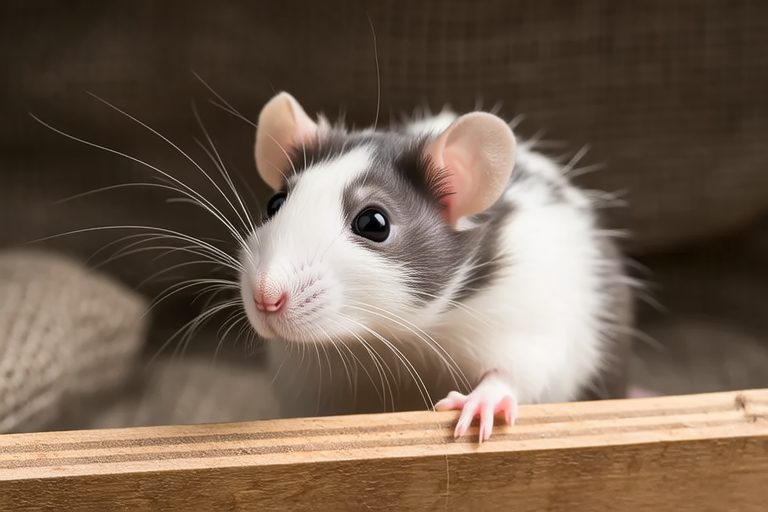
7 Myths About Fancy Rats Debunked Once and For All
Fancy rats have been cherished pets for centuries, yet many misconceptions persist about their care and behavior. This article aims to clear up some of the most common myths surrounding these intelligent and social rodents. From debunking the idea that they’re dirty animals to addressing concerns about their lifespan, we’ll explore the truth behind these misunderstandings.
Myth 1: Fancy Rats Are Dirty and Carry Diseases
What the Myth Is: Many people believe that rats are inherently unclean and prone to carrying diseases harmful to humans.
Why It Might Be Believed: The stigma surrounding wild rats, often associated with urban environments and disease outbreaks, can lead to the assumption that all rats, including pet fancy rats, are dirty and dangerous.
Debunking the Myth: In reality, fancy rats are no dirtier than other domesticated pets like dogs or cats. They are clean animals by nature, spending much of their waking hours grooming themselves and each other. Proper hygiene practices, such as regular cleaning of their cages and providing them with clean bedding, can further ensure their cleanliness. Additionally, while rats can carry bacteria or parasites, the risk of transmission to humans is minimal when proper hygiene is maintained. Regular veterinary check-ups and vaccinations can help keep your pet healthy.
Practical Advice: To keep your fancy rat healthy and hygienic, make sure to clean its cage at least once a week, using mild disinfectants safe for pets. Provide fresh bedding regularly and wash your hands before and after handling your rat. Regular vet visits are also crucial for maintaining their health.
Myth 2: Fancy Rats Are Noisy and Disturbive
What the Myth Is: There’s a misconception that rats are constantly noisy, making squeaking sounds that can be disruptive.
Why It Might Be Believed: Some people may have heard stories about rats being particularly vocal, or perhaps encountered a loud rat in a public setting, leading to this belief.
Debunking the Myth: While rats do communicate through various vocalizations, including soft chirping or squeaking, these sounds are generally not loud enough to disturb human sleep or daily activities. Their vocalizations are usually subtle and occur during interactions with humans or other rats, rather than continuously throughout the day. Moreover, rats are nocturnal creatures, meaning they are most active during the night, so any sounds they make are less likely to interfere with daytime routines.
Practical Advice: If you’re concerned about noise, choose a quieter location for your rat’s cage, away from bedrooms. Providing plenty of toys and activities during the day can encourage more restful nights for both you and your pet. Understanding and respecting their natural activity patterns can help minimize disturbances.
Myth 3: Fancy Rats Live Only a Few Months
What the Myth Is: One of the most pervasive myths is that fancy rats have an extremely short lifespan, often quoted as only a few months.
Why It Might Be Believed: The misconception might stem from the observation of wild rats living shorter lives due to harsh environmental conditions or from hearing about the rapid aging process in some rodent species.
Debunking the Myth: In reality, well-cared-for fancy rats can live up to two to three years. With proper nutrition, housing, and healthcare, they can enjoy a long and healthy life. Factors such as genetics, diet, and environment play significant roles in determining their lifespan. Ensuring your rat has a balanced diet, a spacious cage with plenty of enrichment, and regular vet visits can greatly extend their life expectancy.
Practical Advice: To maximize your rat’s lifespan, provide a nutritious diet rich in vitamins and minerals, suitable bedding, and regular exercise opportunities. Regular vet check-ups are also essential for early detection and treatment of any health issues.
Myth 4: Fancy Rats Bite Aggressively
What the Myth Is: Another common myth is that fancy rats are aggressive biters, posing a threat to their handlers.
Why It Might Be Believed: Stories of wild rats biting people, combined with the small size and sharp teeth of rats, can contribute to this fear.
Debunking the Myth: Fancy rats are generally gentle and rarely bite unless provoked or in pain. They are social animals that thrive on interaction with humans and other rats. Biting is usually a sign of discomfort or fear, rather than aggression. With proper handling and training, rats can become very affectionate and responsive pets. Training your rat to accept handling and interacting gently will reduce the likelihood of bites.
Practical Advice: Always handle your rat gently and calmly, avoiding sudden movements that might startle them. Positive reinforcement techniques, such as offering treats and praise, can encourage good behavior. If your rat does bite, it’s important to understand the context and address any underlying issues, rather than punishing them.
Myth 5: Fancy Rats Need Minimal Space
What the Myth Is: Some believe that fancy rats require little space to live comfortably, often suggesting small cages as adequate.
Why It Might Be Believed: The compact size of rats might lead some to assume they need minimal space, similar to how smaller pets like hamsters are housed.
Debunking the Myth: Rats are highly active and curious animals that require ample space to move around, explore, and exercise. A cramped living environment can lead to stress, behavioral problems, and health issues. Ideally, a cage should be large enough to allow your rat to stand up fully, stretch out, and move freely. Providing additional space outside the cage for supervised playtime can also benefit their physical and mental well-being.
Practical Advice: Invest in a spacious cage with multiple levels or compartments to provide more room for your rat. Consider adding tunnels, hammocks, and other enriching accessories to enhance their environment. Regularly schedule time for supervised play outside the cage to ensure they get enough exercise.
Myth 6: Fancy Rats Don’t Require Social Interaction
What the Myth Is: There’s a belief that fancy rats are solitary animals that don’t need companionship.
Why It Might Be Believed: The misconception could arise from observing wild rats, which sometimes appear solitary, or from a lack of understanding about the social nature of domesticated rats.
Debunking the Myth: In fact, fancy rats are highly social animals that benefit greatly from the company of other rats. They form strong bonds with their cage mates and can become depressed or stressed if kept alone. Rats are known for their complex social structures and enjoy interacting with one another through play, grooming, and sleeping together. However, it’s important to introduce new rats carefully to avoid conflicts.
Practical Advice: If possible, adopt two or more rats from the same litter or those who already know each other. Introduce new rats gradually under supervision to ensure compatibility. Providing ample space and resources within the cage can help prevent competition and promote harmony among group members.
Myth 7: Fancy Rats Are Hard to Train
What the Myth Is: Some people think that fancy rats are difficult to train and don’t respond well to commands.
Why It Might Be Believed: The myth might stem from a lack of familiarity with rat training methods or the perception that rats are too small or unpredictable for effective training.
Debunking the Myth: Fancy rats are actually quite trainable and can learn a variety of tricks and behaviors. Their intelligence and curiosity make them eager learners, especially when rewarded with treats and positive reinforcement. Training sessions can be enjoyable for both owner and pet, fostering a stronger bond between them. Common tricks include coming when called, fetching objects, and even walking on a leash.
Practical Advice: Start training your rat early and consistently, using small, tasty treats as rewards. Keep training sessions short and fun to maintain their interest. Patience and positive reinforcement are key to successful training. Encourage your rat to engage in activities that challenge their mind and body, enhancing their overall well-being.
In conclusion, fancy rats are fascinating and rewarding pets once we dispel common myths about them. By understanding their true nature and needs, we can provide them with the best possible care and ensure they lead happy, healthy lives. Whether you’re a seasoned rat owner or considering adopting one, embracing the truth about these wonderful animals will enrich your experience and deepen your bond with your pet.
