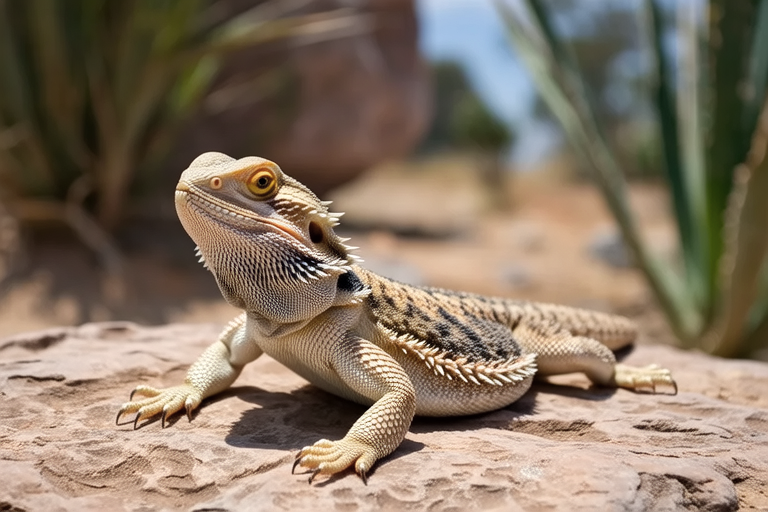
Bearded Dragons 101: Everything You Need to Know Before Bringing One Home
Welcome to Bearded Dragons 101! If you’re considering adding a bearded dragon to your family, you’ve come to the right place. This comprehensive guide will walk you through everything you need to know before bringing one of these fascinating reptiles home. From understanding their natural habitat to setting up the perfect living space, we’ll cover all the essentials to help you provide the best care for your new scaly friend.
Introduction to Bearded Dragons
Bearded dragons are one of the most popular pet reptiles due to their docile nature, striking appearance, and relatively low maintenance requirements. Native to Australia, these lizards are known for their unique beard, which can puff out and darken when they feel threatened or during courtship displays. They come in various colors and patterns, making them visually appealing pets. With proper care, bearded dragons can live up to 10 years or more, providing long-lasting companionship.
Native Habitats
In their natural habitat, bearded dragons reside in the arid regions of central Australia, including deserts, scrublands, and rocky outcrops. These areas experience extreme temperatures, with daytime highs reaching up to 40°C (104°F) and nighttime lows dropping below 10°C (50°F). Understanding their natural environment is crucial for replicating similar conditions in captivity.
Ideal Living Conditions in Captivity
Enclosure Size
The size of the enclosure is critical for your bearded dragon’s well-being. A 40-gallon tank is suitable for a single adult dragon, but larger enclosures are recommended if you plan to house multiple dragons or provide ample space for climbing and exploration. Ensure that the enclosure has a secure lid to prevent escapes and accidental injuries.
Temperature Gradient
Creating a temperature gradient within the enclosure is essential for your dragon’s thermoregulation. The warm side should reach around 35°C (95°F), while the cool side should be approximately 25°C (77°F). Use under-tank heaters, ceramic heat emitters, or basking lamps to achieve these temperatures. Always monitor the temperature with a reliable thermometer.
UV Lighting
Bearded dragons require UVB lighting to synthesize vitamin D3, which aids in calcium absorption. Choose a high-quality UVB bulb designed for reptiles and replace it every six months to ensure optimal performance. Position the light so that it covers at least half of the enclosure and provide a basking spot directly beneath it.
Substrate
Selecting the appropriate substrate is vital for your dragon’s health. Avoid using sand or wood shavings, as they can cause impaction if ingested. Instead, opt for reptile carpet, paper towels, or tile flooring, which are safer alternatives and easier to clean.
Hiding Spots and Climbing Structures
Provide ample hiding spots and climbing structures to mimic their natural environment. Rocks, branches, and artificial plants make excellent additions to the enclosure. Ensure that any items used are safe, sturdy, and free from sharp edges.
Dietary Needs
Vegetarian Diet
Contrary to some beliefs, bearded dragons are primarily herbivores, meaning their diet consists mainly of plant matter. Offer a variety of leafy greens such as collard greens, mustard greens, and dandelion leaves. Supplement this with occasional fruits like strawberries, blueberries, and melon. Avoid feeding iceberg lettuce, spinach, or rhubarb, as they can be harmful.
Calcium and Vitamin Supplementation
To support healthy bone development, dust your dragon’s food with calcium powder twice weekly and multivitamins once a week. Over-supplementation can lead to imbalances, so follow the manufacturer’s guidelines carefully.
Insects
While insects should only make up a small portion of their diet, offering occasional treats such as dubia roaches, crickets, or mealworms can add variety. Ensure that any insects provided are gut-loaded (fed a nutritious diet themselves) to maximize nutritional value.
Handling Tips
Bearded dragons are generally docile and enjoy gentle handling. However, always approach them calmly and allow them time to adjust to your presence. Gently scoop them up by supporting their body with both hands, avoiding the tail, which can break easily if mishandled. Never grab them by the tail, as this can cause injury.
Common Health Issues
Mouth Rot
Mouth rot, also known as infectious stomatitis, is characterized by swelling, redness, and pus around the mouth. It can be caused by poor hygiene, inadequate nutrition, or stress. Regular cleaning of the enclosure and ensuring a balanced diet can help prevent this condition. Consult a veterinarian if symptoms persist.
Metabolic Bone Disease
This serious condition results from calcium deficiency and can lead to weakened bones, tremors, and difficulty moving. Ensuring proper UVB lighting and a calcium-rich diet is crucial for prevention.
Respiratory Infections
Respiratory infections may manifest as labored breathing, nasal discharge, or lethargy. Keeping the enclosure clean and maintaining appropriate humidity levels can reduce the risk. Seek veterinary care immediately if you suspect a respiratory infection.
Selecting the Right Enclosure and Accessories
Choosing the Right Tank
When selecting an enclosure, consider the size, material, and ventilation. Glass tanks are popular choices, offering clear visibility and easy cleaning. Ensure that the tank has adequate ventilation to maintain proper airflow and prevent condensation.
Lighting and Heating Equipment
Invest in quality lighting and heating equipment to create a comfortable environment for your dragon. Look for brands specifically designed for reptiles, and consult with a professional if you’re unsure about the setup.
Accessories
Stock your enclosure with accessories that promote enrichment and comfort. Provide a shallow water dish for soaking and drinking, along with hiding spots and climbing structures. Regularly inspect these items for wear and tear, replacing them as needed.
Conclusion
Bringing a bearded dragon into your home is an exciting journey filled with opportunities for learning and bonding. By understanding their needs and providing a stimulating environment, you can ensure that your new pet thrives. Remember to stay informed, seek advice from experienced owners and veterinarians, and enjoy the rewarding experience of caring for these incredible creatures.
