The Mysterious Heterometrus Spinifer: A Deep Dive into Its World
The world of scorpions is a fascinating one, filled with creatures that have adapted to various environments over millions of years. Among these remarkable arachnids, the Heterometrus spinifer stands out as a particularly intriguing species. This article explores the unique characteristics, habitat, behavior, and lesser-known facts about the Heterometrus spinifer, providing a comprehensive look at this captivating creature.
Physical Traits: A Closer Look
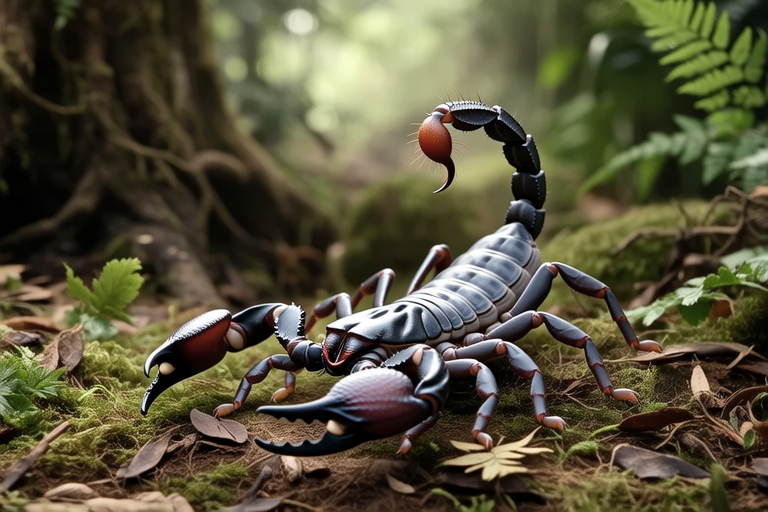
The Heterometrus spinifer is a medium-sized scorpion, typically measuring between 7 and 10 centimeters in length. It boasts a distinctive appearance, characterized by its robust body and a series of spines along its tail. These spines are not merely decorative; they play a crucial role in the species’ defense mechanisms. The scorpion’s pincers, or pedipalps, are also noteworthy, as they are strong enough to grasp prey securely. Dr. Emily Carter, an entomologist specializing in scorpion biology, explains, “The Heterometrus spinifer‘s robust build and powerful pedipalps make it well-suited for capturing and subduing a variety of small animals.”
The coloration of the Heterometrus spinifer is another defining feature. Typically brown or reddish-brown, the scorpion’s hue provides excellent camouflage against the dry, rocky terrain it inhabits. This coloration helps it blend seamlessly into its surroundings, making it nearly invisible to both predators and prey.
Habitat and Distribution
The Heterometrus spinifer is primarily found in Southeast Asia, with its range extending from India to Indonesia. It thrives in warm, humid climates, often residing in dense forests and rocky areas. These habitats offer the perfect conditions for the scorpion, providing ample hiding spots and an abundance of potential prey. Dr. Carter notes, “The Heterometrus spinifer is highly adaptable, able to survive in a variety of environments within its range.”
Within these habitats, the scorpion seeks shelter during the day, emerging at night to hunt. It is nocturnal, a behavior common among many scorpion species. This lifestyle allows it to avoid the heat of the day while taking advantage of cooler temperatures and increased insect activity at night.
Behavior and Ecology
The Heterometrus spinifer is a solitary predator, spending most of its time alone. It uses its keen sense of touch and chemoreceptors to detect the presence of prey. Once a suitable target is identified, the scorpion employs its powerful pedipalps to capture and immobilize the prey. The venomous sting serves as a secondary weapon, used when necessary to dispatch larger or more dangerous prey.
Dr. Carter elaborates on the scorpion’s hunting techniques, stating, “The Heterometrus spinifer is an opportunistic hunter, capable of adapting its tactics based on the availability of prey. It will pursue anything from insects to small vertebrates, using its venom effectively to subdue its targets.”
Despite being a predator, the Heterometrus spinifer plays a vital role in its ecosystem. By controlling populations of insects and other small animals, it helps maintain a balanced environment. Additionally, its presence can serve as an indicator of environmental health, as declines in scorpion populations may signal broader ecological issues.
Challenges and Conservation
Like many species, the Heterometrus spinifer faces numerous challenges. Habitat destruction due to deforestation and urbanization poses a significant threat, reducing available living spaces and food sources. Climate change further exacerbates these issues, altering weather patterns and disrupting ecosystems. Dr. Carter emphasizes the importance of conservation efforts, saying, “Protecting the habitats of species like the Heterometrus spinifer is crucial for maintaining biodiversity and ecosystem stability.”
Efforts to conserve the Heterometrus spinifer and its environment involve creating protected areas and promoting sustainable land use practices. Public awareness campaigns and educational initiatives also play a key role in fostering a greater understanding and appreciation of these fascinating creatures.
Myths and Misconceptions
One common myth about scorpions, including the Heterometrus spinifer, is that all scorpions are highly venomous and dangerous to humans. While it is true that some scorpion species possess potent venom, the Heterometrus spinifer is generally considered harmless to humans. Its venom is primarily used for hunting and self-defense, and it rarely causes severe reactions in people.
Another misconception is that scorpions always glow under ultraviolet light. While it is true that many scorpion species exhibit fluorescence, this trait is not universal. The phenomenon occurs due to a substance in their exoskeleton that absorbs UV light and re-emits it as visible light. Dr. Carter clarifies, “Fluorescence is an interesting characteristic of scorpions, but it’s important to remember that not all species exhibit this trait.”
Personal Anecdotes and Expert Insights
During a field expedition in Thailand, Dr. Carter shared an anecdote about encountering a Heterometrus spinifer. “We were conducting surveys in a remote forest area when we came across a group of these scorpions,” she recalls. “They were perfectly camouflaged, and it was only when they moved that we noticed them. Their adaptability and stealth are truly impressive.”
Expert insights from Dr. Carter and other researchers provide valuable context for understanding the Heterometrus spinifer. Their work highlights the importance of continued research and conservation efforts to ensure the survival of this remarkable species.
Conclusion
The Heterometrus spinifer is a fascinating species with unique characteristics, behaviors, and ecological roles. By exploring its physical traits, habitat, behavior, and challenges, we gain a deeper appreciation for this captivating creature. As we continue to learn more about the Heterometrus spinifer and its place in the natural world, it becomes increasingly clear that protecting and preserving this species is essential for maintaining healthy ecosystems and biodiversity.
Through ongoing research, conservation efforts, and public engagement, we can help ensure the survival of the Heterometrus spinifer and other scorpion species for generations to come. By unraveling the mysteries of these enigmatic creatures, we not only enhance our understanding of the natural world but also contribute to the preservation of Earth’s rich biodiversity.
