From Fluffy Ears to a Gentle Heart: All About the Scottish Fold
The Scottish Fold is a breed that has captured the hearts of many cat lovers with its unique appearance and endearing personality. Known for their distinctive folded ears, these cats have a charm that is hard to resist. Their gentle nature and soft coat make them ideal companions for families and individuals alike. This article will explore the origins, physical traits, temperament, and care requirements of the Scottish Fold, offering a comprehensive guide for potential owners and cat enthusiasts.
An Introduction to the Scottish Fold
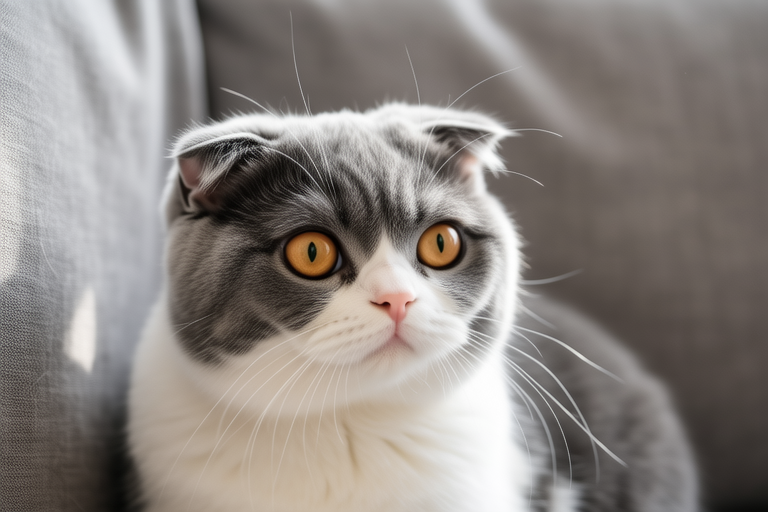
The Scottish Fold is a breed that stands out due to its unique physical trait – folded ears that give it a sweet, owl-like appearance. These cats are known for their expressive faces and large, round eyes that add to their adorable demeanor. Their gentle and affectionate nature complements their striking looks, making them a favorite among pet owners. The combination of their distinctive appearance and warm personalities makes the Scottish Fold a captivating breed.
Physical Characteristics
The Scottish Fold’s most notable feature is its folded ears, which are caused by a genetic mutation that affects the cartilage in the ear. These ears can fold forward, giving the cat a distinctively flattened appearance. The folds can vary, with some cats having a single fold, while others may have multiple folds. Regardless of the number of folds, each one adds to the breed’s unique charm.
Besides their folded ears, Scottish Folds are medium-sized cats with well-rounded heads and prominent cheeks. Their bodies are sturdy and muscular, with short legs and rounded paws. Their tails are thick at the base and taper towards the tip, adding to their overall balanced appearance. The breed comes in two coat lengths – short-haired and long-haired – with both types featuring a soft, plush texture. The short-haired variety has a dense, double coat that provides excellent insulation, while the long-haired version boasts a luxurious, flowing mane that adds to its regal appearance.
Temperament and Adaptability
The Scottish Fold is known for its calm and gentle disposition, making it an ideal companion for families and individuals alike. They are affectionate and enjoy being around people, often seeking out attention and cuddles. Their easy-going nature allows them to adapt well to various living situations, whether in a bustling household or a quiet apartment. These cats are generally good with children and other pets, though early socialization is recommended to ensure compatibility.
One of the most appealing aspects of the Scottish Fold is its intelligence and curiosity. These cats are known to be playful and interactive, often engaging in activities that keep them mentally stimulated. They enjoy playing with toys and exploring their environment, making them a joy to watch and interact with. Their adaptable nature and friendly demeanor make them a great choice for first-time cat owners or those looking for a loving and loyal companion.
Origin and History
The Scottish Fold originated in Scotland in the mid-20th century. The breed was discovered when a barn cat named Susie, who had naturally folded ears, gave birth to a litter of kittens, some of which inherited the same trait. One of these kittens, named Snooks, was later bred with a British Shorthair, leading to the development of the Scottish Fold breed. Over time, the breed gained popularity, and it was officially recognized by major cat registries in the 1970s.
The Scottish Fold quickly became a favorite among cat enthusiasts due to its unique appearance and gentle nature. Today, the breed is appreciated worldwide for its distinctive look and affectionate personality. Despite their global appeal, efforts are ongoing to improve the breed’s health and welfare, ensuring that future generations of Scottish Folds continue to thrive.
Health Issues and Care Tips
While the Scottish Fold is generally healthy, there are some health concerns associated with the breed. The most significant issue is osteochondrodysplasia, a condition affecting the cartilage in the ears and other parts of the body. This condition can lead to joint problems, particularly in the tail and legs. As a result, it is essential to provide regular veterinary check-ups and maintain a healthy weight to reduce the risk of complications.
In addition to joint issues, Scottish Folds are prone to obesity, which can exacerbate joint problems and lead to other health concerns. To help prevent obesity, it is crucial to provide a balanced diet and encourage regular exercise. Interactive toys and playtime can help keep your Scottish Fold physically active and mentally engaged. Regular grooming is also important, especially for long-haired varieties, to keep their coats clean and free from mats.
Why the Scottish Fold is a Beloved Choice for Cat Lovers
The Scottish Fold’s unique appearance and gentle nature make it a beloved choice for cat lovers. Their folded ears and expressive faces give them a distinctive look that sets them apart from other breeds. At the same time, their calm and affectionate demeanor makes them ideal companions for families and individuals alike. Whether you’re a seasoned cat owner or new to the world of feline companionship, the Scottish Fold offers a delightful blend of beauty and charm.
For those considering adopting a Scottish Fold, it is important to research reputable breeders and understand the responsibilities involved in caring for this special breed. By providing proper care and attention, you can ensure that your Scottish Fold lives a happy and healthy life. With their loving personalities and unique looks, the Scottish Fold is sure to bring joy and companionship to any home.
