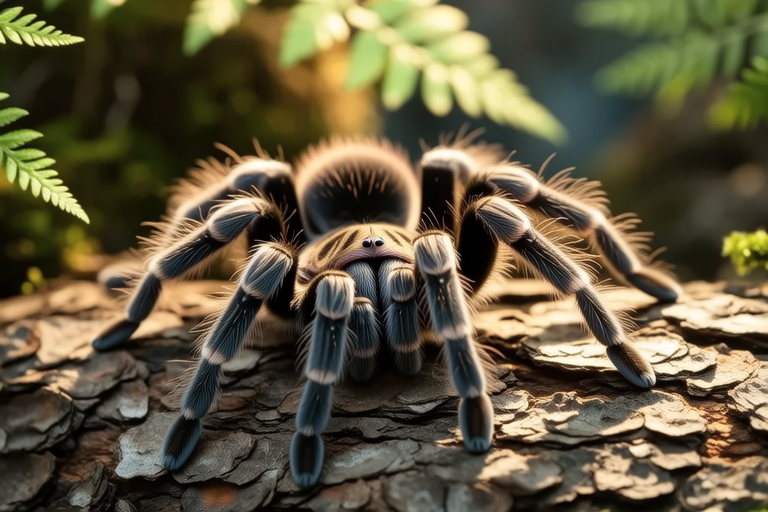
Meet the Hairiest and Most Misunderstood Pets: Tarantulas!
Tarantulas have long been misunderstood creatures, often associated with fear and dread. However, these hairy arachnids can make fascinating and rewarding pets for those willing to look beyond the myths. In this article, we’ll explore the unique physical characteristics, care requirements, temperament, and the benefits of owning a tarantula. We’ll also discuss the differences between popular species suitable for beginners and advanced keepers, helping you decide if a tarantula might be the perfect pet for you.
The Myth-Busting Journey
Before diving into the world of tarantulas, it’s essential to address some common misconceptions that may have deterred you from considering these unique pets. One of the most pervasive myths is that all tarantulas are aggressive and dangerous. While it’s true that they can deliver a painful bite, many species are docile and unlikely to attack unless provoked. Another misconception is that tarantulas require constant attention, but in reality, they’re low-maintenance pets that thrive when left alone.
Contrary to popular belief, tarantulas don’t need to be handled regularly. In fact, frequent handling can stress them out and potentially lead to health issues. Instead, enjoy watching your tarantula explore its environment, molt, and interact with its surroundings. By understanding these creatures better, you can appreciate their beauty and complexity without unnecessary fears.
A World of Unique Physical Characteristics
Tarantulas come in various shapes, sizes, and colors, each with its own set of unique features. Their most striking characteristic is undoubtedly their dense coat of hairs, which serves multiple purposes. These hairs help protect them from predators by causing irritation when brushed against sensitive areas like eyes or noses. Some species even possess specialized urticating hairs, which they can release as a defense mechanism.
Another notable feature is their eight legs, each equipped with sensory organs that allow them to detect vibrations in the ground. This keen sense of touch helps them navigate their surroundings and locate prey. Tarantulas also have two primary fangs used for injecting venom into their victims, though the venom of most species is mild and comparable to a bee sting.
Care Requirements for Your Tarantula
Proper care is crucial for ensuring your tarantula’s health and happiness. The first step is providing an appropriate enclosure, which should mimic their natural habitat as closely as possible. For most species, this means a terrarium with a secure lid, substrate for burrowing, and hiding spots. Humidity levels must be carefully controlled, typically ranging between 60% and 80%, depending on the specific species.
Temperature regulation is equally important. Most tarantulas prefer temperatures between 75°F and 85°F (24°C to 29°C). You can achieve this by using a heat mat or under-tank heater placed on one side of the enclosure to create a temperature gradient. This allows your tarantula to regulate its body temperature by moving between warmer and cooler areas.
Feeding your tarantula is relatively straightforward. They’re carnivorous and will eat a variety of insects, including crickets, mealworms, and dubia roaches. It’s essential to ensure that the prey items are appropriately sized; overly large meals can cause digestive issues. Feed your tarantula once or twice a week, depending on its age and size. Always remove any uneaten prey after 24 hours to prevent contamination.
Temperament: Understanding Your Tarantula’s Personality
Tarantulas exhibit a wide range of temperaments, from docile and calm to more skittish and defensive. Beginners often find the Chilean Rose Tarantula (Grammostola rosea) an excellent choice due to its gentle nature. This species is generally tolerant of handling and makes a great first tarantula for those new to the hobby.
In contrast, the Mexican Red-Kneed Tarantula (Brachypelma smithi) is known for its bold and confident demeanor. While still relatively easy to care for, this species may be more active and less inclined to tolerate handling. Advanced keepers might enjoy the challenge of working with more elusive species, such as the Goliath Birdeater (Theraphosa blondi), the largest spider in the world.
Regardless of the species, it’s important to respect your tarantula’s boundaries and avoid unnecessary handling. Patience and consistency are key when building trust with your pet. Over time, you’ll learn to recognize subtle cues indicating your tarantula’s comfort level and adjust your interactions accordingly.
The Rewarding Aspects of Owning a Tarantula
Owning a tarantula can be a highly rewarding experience, offering numerous benefits for both novice and experienced keepers. One of the most significant advantages is the sense of accomplishment that comes with successfully caring for a unique and often misunderstood creature. Watching your tarantula grow, molt, and interact with its environment can be incredibly fulfilling.
Additionally, tarantulas can provide a calming presence in your home. Their slow movements and serene demeanor can help reduce stress and promote relaxation. Many owners report feeling a deep connection with their tarantulas, finding joy in observing their daily routines and behaviors.
Differences Between Species Suitable for Beginners and Advanced Keepers
Choosing the right tarantula species depends on your experience level and willingness to commit to proper care. For beginners, species like the Chilean Rose Tarantula and Mexican Red-Kneed Tarantula are ideal due to their manageable size, gentle temperament, and ease of care. These species are hardy and forgiving, making them perfect for those new to the hobby.
Advanced keepers may want to consider more challenging species, such as the Goliath Birdeater or the Brazilian Salmon Pink Tarantula (Lasiodora parahybana). These larger, more active species require more space and specialized care, but they offer a greater sense of achievement for those willing to take on the responsibility. Regardless of the species, it’s essential to research thoroughly and consult experienced keepers before making a decision.
Conclusion: Embracing the Fascination of Tarantulas
Tarantulas are fascinating creatures with much to offer as pets. By dispelling common myths and understanding their unique needs, you can enjoy the rewarding experience of owning one of these misunderstood arachnids. Whether you’re a beginner or an experienced keeper, there’s a tarantula species out there just waiting to become your new best friend. With proper care and respect, these hairiest and most misunderstood pets can bring joy and wonder to your life.
