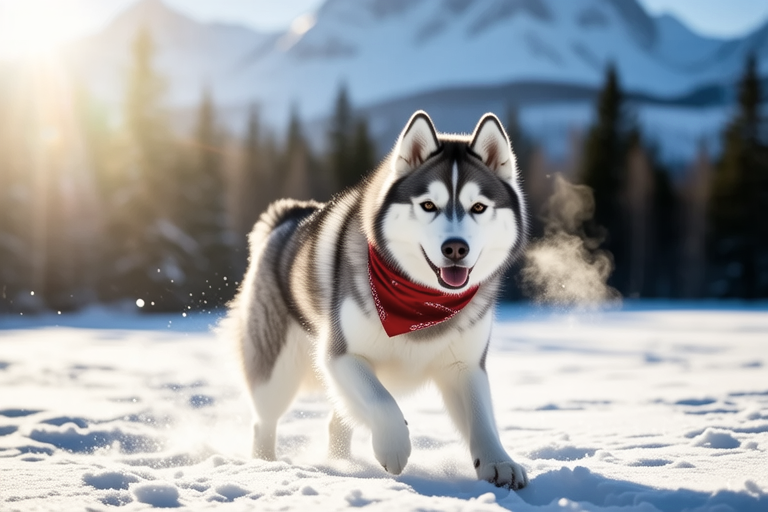
Winter’s Best Friend: Why Siberian Huskies Love Cold Weather Activities
Siberian Huskies have long been recognized for their striking beauty and loyalty, but what sets them apart is their exceptional adaptability to cold weather. These dogs are not just survivors in harsh climates; they are thrivers. Their history, physical traits, and natural instincts make them perfectly suited for winter activities. In this article, we will explore why Siberian Huskies love cold weather, the activities they excel at, and how to keep them safe and happy during the colder months.
The History of Siberian Huskies and Cold Climates
The origins of Siberian Huskies trace back to Northeast Asia, where they were bred by the Chukchi people. These nomadic tribes relied heavily on sled dogs for transportation, hunting, and companionship. The harsh, frigid conditions of the Siberian tundra shaped the breed’s development, leading to physical and behavioral adaptations that allowed them to thrive in extreme cold. Over centuries, Siberian Huskies became invaluable partners in the Chukchi people’s daily lives, pulling sleds across vast snowy expanses and enduring temperatures that would be unbearable for most other breeds.
Their history has deeply influenced their behavior today. Siberian Huskies still possess an innate drive to pull sleds, run long distances, and explore their environment. This heritage means that they are naturally inclined towards activities that involve movement and exploration in cold weather. Their endurance and strength, honed through generations of survival in the Arctic, make them ideal companions for winter adventures.
Physical Adaptations for Cold Weather
Siberian Huskies are marvels of evolutionary adaptation, with physical features that enable them to withstand and even enjoy cold weather. Their double coat is one of their most remarkable attributes. The outer layer consists of straight, coarse guard hairs, which repel moisture, while the undercoat is dense and insulating, providing warmth without weighing the dog down. This combination allows them to stay dry and cozy even when submerged in snow or water.
Another key adaptation is their thick, furry paws. The pads of Siberian Huskies are tough and resistant to the cold, allowing them to walk comfortably on ice and snow without discomfort. Their webbed toes also enhance their ability to swim and navigate through deep snow. Additionally, their ears are relatively small compared to their head size, minimizing heat loss and protecting their sensitive ear canals from frostbite.
These physical traits are not just useful; they are essential for the Siberian Husky’s survival in cold climates. They ensure that the breed remains comfortable and healthy in conditions that would be challenging for many other dog breeds. Understanding these adaptations helps owners appreciate why Siberian Huskies love the cold and how they can participate in winter activities without risk.
Natural Instincts and Behavior
Beyond their physical adaptations, Siberian Huskies possess a set of natural instincts that make them particularly suited for cold weather activities. Their pack mentality is one of their most notable traits. In the wild, they would work together in teams to pull sleds or hunt prey, and this cooperative spirit translates into their behavior with humans. They enjoy working alongside their owners and other dogs, making them excellent partners for team sports like mushing.
Another instinctive behavior is their high energy levels. Siberian Huskies are known for their boundless enthusiasm, which is crucial for maintaining their stamina in cold weather. They have a seemingly endless supply of energy, which allows them to run for extended periods without tiring. This trait is especially beneficial during winter months when they can channel their energy into outdoor activities.
Siberian Huskies also have a strong sense of direction and a natural tendency to roam. While this can sometimes lead to challenges in everyday life, it makes them perfect for exploring new trails and routes during winter activities. Owners can harness this instinct by providing opportunities for their dogs to explore and run in safe, controlled environments.
Cold Weather Activities for Siberian Huskies
Given their physical and behavioral traits, Siberian Huskies excel at a variety of cold weather activities. Sledding is perhaps the most iconic activity for these dogs, and it is easy to see why. Their powerful build and endurance make them ideal for pulling sleds over long distances. Owners can participate in recreational sledding with their dogs, either in organized events or on personal outings. This activity not only provides exercise but also strengthens the bond between owner and dog.
Running in snow is another favorite pastime for Siberian Huskies. Their webbed feet and thick paw pads allow them to move effortlessly through deep snow, and their high energy levels mean they can run for hours without tiring. Owners can take advantage of this by organizing regular snow runs, either in local parks or designated trails. These runs help keep the dogs physically fit and mentally stimulated.
Playing in icy conditions is also a favorite activity for Siberian Huskies. Whether it’s chasing after a ball or engaging in a game of fetch, these dogs seem to thrive in cold environments. Owners can provide toys that encourage interaction and play, ensuring that their dogs remain active and engaged throughout the winter months.
Owners should also consider taking their Siberian Huskies on hikes in snowy landscapes. These dogs are capable of navigating rough terrain and can lead their owners through paths that might otherwise be inaccessible. Hiking provides both physical and mental stimulation, helping to keep the dogs healthy and happy.
Tips for Safe Winter Activities
While Siberian Huskies are well-suited for cold weather activities, it is essential to approach these activities with care and responsibility. Owners must prioritize their dogs’ safety and well-being at all times. Here are some tips for safely engaging Siberian Huskies in winter activities:
- Monitor Temperatures: Even though Siberian Huskies are adapted to cold weather, they can still suffer from hypothermia if exposed to extremely low temperatures for extended periods. Monitor the weather and limit outdoor activities when temperatures drop below -20°C (-4°F).
- Provide Proper Gear: Invest in quality dog boots to protect your Siberian Husky’s paws from ice and salt, and consider using a reflective jacket or vest for visibility during evening walks.
- Hydration and Nutrition: Ensure that your dog stays hydrated by providing fresh water throughout the day. Adjust their diet to account for increased activity levels and colder temperatures.
- Regular Check-ups: Schedule regular veterinary check-ups to monitor your dog’s health and address any potential issues early.
- Supervision: Always supervise your Siberian Husky during outdoor activities to prevent accidents and ensure their safety.
The Importance of Understanding and Respecting the Breed’s Nature
To provide Siberian Huskies with a fulfilling and active lifestyle during the winter months, it is crucial for owners to understand and respect the breed’s unique nature. By recognizing their physical adaptations and natural instincts, owners can offer activities that align with the dogs’ needs and preferences. This understanding fosters a deeper connection between owner and dog, ensuring that both parties benefit from the shared experience.
Respecting the breed’s nature also involves being mindful of their limitations. While Siberian Huskies are built for cold weather, they are not immune to the dangers of extreme cold. Owners must be vigilant in monitoring their dogs’ behavior and health, adjusting activities as needed to prevent exhaustion or injury.
In conclusion, Siberian Huskies are truly winter’s best friend. Their rich history, physical adaptations, and natural instincts make them perfectly suited for cold weather activities. By engaging in these activities, owners can provide their dogs with the exercise, stimulation, and companionship they need to thrive. With proper care and attention, Siberian Huskies can enjoy a full and active lifestyle during the winter months, ensuring both their physical and emotional well-being.
