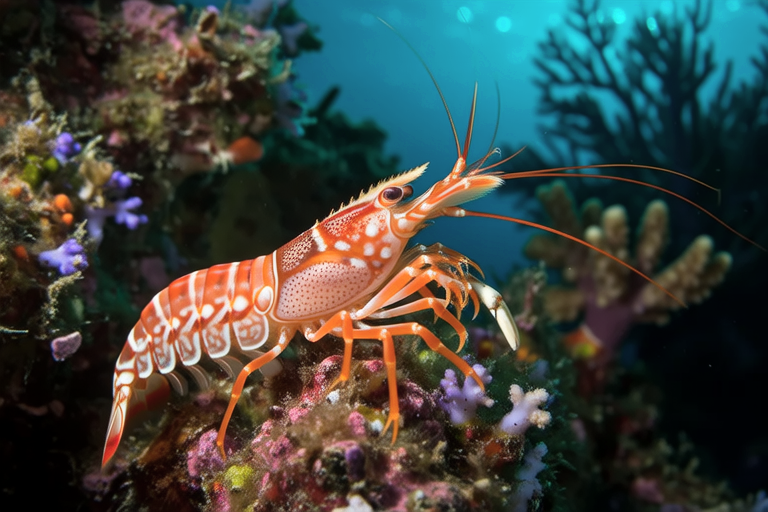
Top Secrets for Keeping Coral Shrimp Happy and Healthy
Welcome to the vibrant world of coral shrimp care! These small, colorful creatures can add a splash of color and life to your aquarium, but they come with specific needs to thrive. This guide will walk you through everything from setting up the perfect environment to maintaining a healthy tank. Whether you’re a seasoned aquarist or just starting out, these top secrets will ensure your coral shrimp stay happy and healthy.
Understanding Coral Shrimp: A Brief Overview
Coral shrimp, also known as cleaner shrimp, are fascinating little crustaceans that are popular additions to many saltwater aquariums. They belong to the family Hippolytidae and are characterized by their bright colors and distinct behavior. One of the most famous species is the peppermint shrimp (Lysmata wurdemanni), known for its striking red and white stripes. Other popular varieties include the scarlet cleaner shrimp (Lysmata amboinensis) and the fire shrimp (Lysmata debelius).
These shrimp play a crucial role in the ecosystem by cleaning parasites off fish and detritus from the substrate. Understanding their natural behaviors and requirements is key to providing them with a thriving environment in your tank.
Essential Water Parameters for Coral Shrimp
Creating the right water conditions is fundamental for keeping coral shrimp healthy. Here’s what you need to know:
- Salt Concentration: Maintain a salinity level between 1.020 and 1.025 specific gravity. Use a hydrometer to monitor this accurately.
- Temperature: Keep the temperature within the range of 72°F to 80°F (22°C to 27°C). Sudden changes can stress your shrimp, so aim for stability.
- pH Levels: Aim for a pH between 8.1 and 8.4. Regular testing with a reliable kit will help you maintain this balance.
- Aeration and Flow: Provide gentle water flow to simulate their natural habitat. Avoid overly strong currents that might exhaust the shrimp.
- Water Quality: Perform regular partial water changes (about 10-20% weekly) to keep nitrates low and maintain overall water quality.
Choosing Suitable Tank Mates
Coral shrimp are generally peaceful and can coexist well with various tankmates. However, it’s important to select compatible species to prevent aggression or predation:
- Peaceful Fish: Small, non-aggressive fish like clownfish, damselfish, and cardinal tetras are good choices.
- Snails: Assorted snail species can be beneficial, helping to control algae growth.
- Prevent Predators: Avoid larger, more aggressive fish that might see the shrimp as prey.
It’s crucial to research each potential tankmate thoroughly before introducing them to your coral shrimp’s environment.
Diet Specifics for Coral Shrimp
Feeding your coral shrimp appropriately is vital for their health and longevity. Their diet should consist of:
- Detritus and Algae: These shrimp naturally feed on detritus and algae in the wild. In your tank, they’ll appreciate food that mimics this, such as sinking pellets or flakes.
- Variety: Supplement their diet with occasional treats like brine shrimp, bloodworms, or even small pieces of fish.
- Frequency: Feed them daily, but only offer as much as they can consume within a few minutes to prevent overfeeding.
Overfeeding can lead to poor water quality, so monitoring their feeding habits closely is important.
Providing Hiding Spots and Shelter
Coral shrimp are shy and need places to hide. Providing ample shelter not only makes them feel secure but also encourages natural behaviors:
- Rocks and Caves: Arrange live rock formations with plenty of nooks and crannies.
- Plants and Decorations: Incorporate artificial plants and decorations that offer cover and mimic their natural habitat.
- Live Sand: Adding a layer of live sand provides additional hiding spots and encourages beneficial bacteria growth.
Ensuring there are multiple hiding spots will reduce stress and promote healthier shrimp.
Regular Maintenance Routines
Maintaining a clean and stable environment is crucial for the long-term health of your coral shrimp:
- Water Changes: Perform regular partial water changes (10-20% weekly) to keep nitrate levels low.
- Cleaning Equipment: Clean filters and other equipment regularly to prevent the buildup of harmful substances.
- Monitor Parameters: Regularly check water parameters like temperature, pH, and salinity to ensure they remain within optimal ranges.
Consistent maintenance will help prevent issues before they arise.
Common Mistakes to Avoid
Even experienced aquarists can make mistakes when caring for coral shrimp. Here are some pitfalls to watch out for:
- Incorrect Water Parameters: Failing to maintain proper water conditions can lead to stress and illness.
- Inadequate Hiding Spots: Not providing enough shelter can cause the shrimp to become stressed and hide constantly.
- Overfeeding: Excessive feeding can lead to poor water quality and obesity in your shrimp.
- Poor Tankmates: Introducing incompatible species can result in aggression or predation.
Avoiding these common errors will significantly improve the chances of your shrimp thriving.
Behavioral Insights: Understanding Your Coral Shrimp
Observing the behavior of your coral shrimp can give you valuable insights into their health and happiness:
- Activity Levels: Active shrimp are usually healthy. If they seem lethargic, check water parameters and diet.
- Feeding Habits: Healthy shrimp will actively search for food and eat readily. Reduced appetite could indicate stress or illness.
- Coloration: Bright, vibrant colors typically signify good health. Pale or dull colors may indicate poor conditions.
By understanding these behavioral cues, you can address any issues promptly and ensure your shrimp remain healthy.
Conclusion
Keeping coral shrimp happy and healthy requires attention to detail and a commitment to creating the best possible environment. From maintaining ideal water parameters to selecting suitable tank mates and providing ample hiding spots, each aspect plays a crucial role in their wellbeing. By following these top secrets, you’ll not only enhance the beauty of your aquarium but also ensure your coral shrimp enjoy a long and healthy life.
We hope this guide has provided you with the knowledge and confidence to successfully care for your coral shrimp. Happy aquascaping!
