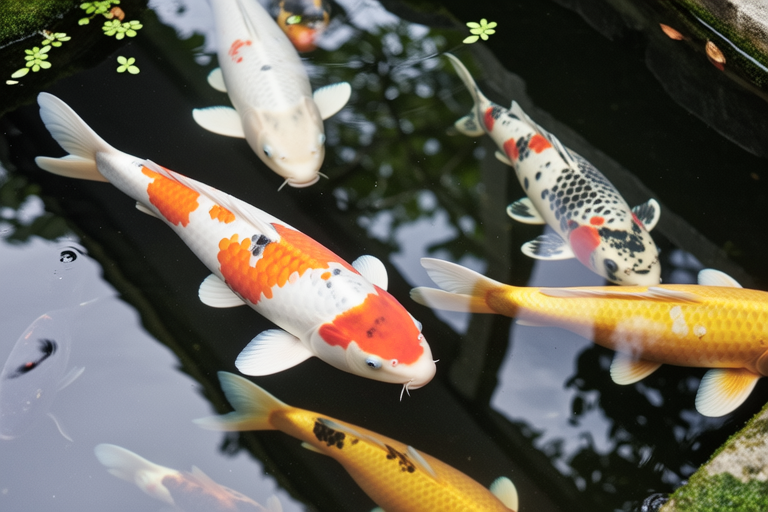
Unleashing the Secrets of Koi Behavior in Home Ponds
Koi fish, known for their vibrant colors and graceful movements, have become a popular choice for home pond enthusiasts. These ornamental carp are not only beautiful but also bring a serene atmosphere to any garden setting. Understanding the behavior of koi can greatly enhance the enjoyment and management of these aquatic pets. This article delves into the world of koi behavior, providing insights into their needs and actions within a home pond environment.
The Significance of Koi in Home Ponds
Koi, scientifically named Cyprinus carpio, are a domesticated variety of common carp. Originating from East Asia, they have been selectively bred for centuries to exhibit a wide range of colors and patterns. In home ponds, koi serve as both aesthetic and functional additions. Their presence not only beautifies the outdoor space but also contributes to the ecological balance of the pond ecosystem. Koi are known for their intelligence and responsiveness, making them fascinating subjects for observation and interaction.
Optimal Pond Conditions for Observing Natural Koi Behavior
To fully appreciate and understand koi behavior, it’s essential to create an ideal environment in your home pond. The following factors are crucial:
- Water Quality: Maintaining clean, well-oxygenated water is vital. Regular testing and filtration systems help ensure a healthy habitat.
- Temperature: Koi thrive in temperatures between 18°C and 25°C (64°F and 77°F). Extreme temperatures can lead to stress and behavioral changes.
- Pond Size: Adequate space allows koi to swim freely and exhibit natural behaviors. A minimum size of 300 gallons per koi is recommended.
- Hiding Places: Incorporate plants, rocks, and caves to provide shelter and reduce stress.
Key Behaviors: Feeding Habits
One of the most observable behaviors of koi is their feeding habits. Koi are omnivorous, consuming both plant matter and small animals. Their feeding patterns vary based on time of day and availability of food. During spring and summer, koi are more active and feed frequently. They can be trained to recognize feeding times, gathering around the pond edge in anticipation. Owners often use floating pellets or flakes to feed them, but it’s important to vary their diet with vegetables, algae wafers, and occasional live foods like worms or insects.
Social Interactions
Koi are social creatures and often display complex interactions. They form hierarchies within their group, with dominant individuals leading the pack. Submissive koi may show signs of submission by swimming away or remaining at the bottom of the pond. However, aggression among koi is rare, and conflicts usually arise due to competition over food. Providing ample food reduces the likelihood of aggressive behavior. Koi also engage in playful activities, such as chasing each other or leaping out of the water, especially during mating season.
Responses to Environmental Changes
Koi are sensitive to environmental changes and can exhibit different behaviors in response to these shifts. For instance, when the weather cools down, koi become less active and may spend more time near the bottom of the pond. In contrast, warmer temperatures increase their activity levels. Additionally, sudden changes in water quality can cause stress, leading to lethargy or erratic swimming. Monitoring the pond regularly helps in maintaining a stable environment that promotes healthy behavior.
Tips for Encouraging Healthy and Active Koi Behavior
To ensure your koi remain healthy and active, consider the following tips:
- Regular Feeding: Feed your koi twice daily, ensuring they consume all the food within five minutes. Overfeeding can lead to poor water quality.
- Water Maintenance: Perform regular water changes and maintain proper filtration to keep the pond clean.
- Enrichment: Add enrichment items like floating logs or artificial plants to stimulate exploration and play.
- Monitoring: Keep a close eye on the pond’s temperature, pH levels, and oxygen content to prevent stress.
The Importance of Understanding Koi Behavior
Understanding koi behavior is crucial for their well-being and your enjoyment as a pond owner. By recognizing normal and abnormal behaviors, you can quickly identify potential health issues and take corrective measures. Moreover, observing koi can provide a rewarding experience, fostering a deeper connection between you and your aquatic companions. With the right knowledge and care, your koi will thrive, adding beauty and tranquility to your home pond.
