Why These Shy Turtles Are Becoming Pet Favorites: The Three-Striped Box Turtle
The world of reptile pets is vast and diverse, offering enthusiasts a wide array of options from snakes to lizards and various species of turtles. Among these, the three-striped box turtle (Terrapene carolina triunguis) stands out as a favorite for many pet owners, especially those who appreciate gentle, quiet companions. This article delves into the unique characteristics of the three-striped box turtle, exploring why they are becoming increasingly popular as pets despite their shy nature.
Unique Characteristics of the Three-Striped Box Turtle
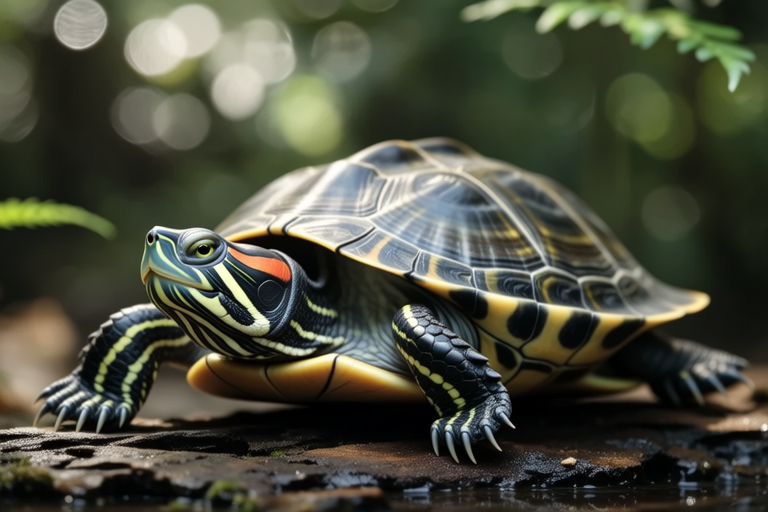
The three-striped box turtle is named for the three yellow stripes running down its head, distinguishing it from other box turtle species. Its shell, typically dark brown or black, is adorned with radiating yellow lines that create a striking pattern. These turtles are small, usually reaching lengths between 4.5 to 6 inches, making them easy to handle and maintain within a household environment.
One of the most notable features of this turtle is its ability to completely close itself inside its shell when threatened. This behavior, known as “boxing,” is a defense mechanism that has earned the species its name. Their shy demeanor, combined with their striking appearance, makes them particularly appealing to pet owners who seek a unique and peaceful companion.
Natural Habitat and Domestic Contrast
In the wild, three-striped box turtles inhabit the southeastern United States, particularly in areas with moist, deciduous forests and grasslands. They are well-adapted to humid environments with plenty of vegetation and water sources, such as shallow streams and ponds. These turtles are semi-aquatic, spending time both in water and on land, where they bask in the sun to regulate their body temperature.
Contrastingly, the domestic environment of a pet three-striped box turtle requires careful consideration to replicate their natural habitat. The key elements to mimic include humidity, temperature, and space. A properly set-up enclosure can provide a comfortable and stimulating environment for these turtles, allowing them to thrive even outside their native surroundings.
Gentle and Quiet Nature
Three-striped box turtles are known for their calm and docile temperament. Unlike some more active or aggressive reptiles, these turtles are content with slow movements and quiet interactions. This makes them ideal for households where a serene and low-maintenance pet is desired. Their gentle nature also means they are less likely to cause disturbances or require constant attention, making them perfect for busy families or individuals with limited time.
Owners often report feeling a deep connection with their three-striped box turtles due to their calm presence and unique behaviors. Observing their daily routines, such as basking or foraging, can be a tranquil and rewarding experience, fostering a bond between human and animal.
Tips for Proper Care
Housing
Creating an appropriate living space for your three-striped box turtle is crucial for their health and happiness. An indoor enclosure should be spacious enough to allow for movement and exploration. A minimum size of 4 feet by 2 feet is recommended for one adult turtle. The enclosure should have a dry area for basking and a shallow water dish for soaking. It’s important to maintain a high humidity level, around 70%, which can be achieved through regular misting and the use of a humidifier.
The substrate in the enclosure should be non-toxic and easily cleaned. Cypress mulch or coconut fiber are popular choices as they retain moisture well and are safe for turtles. Ensure there are hiding spots and climbing structures to stimulate natural behaviors and reduce stress.
Diet
Feeding three-striped box turtles a balanced diet is essential for their overall health. In the wild, they are omnivorous, consuming a variety of foods including insects, worms, fruits, and leafy greens. As pets, their diet should reflect this diversity. Offer a mix of commercially available turtle pellets, fresh vegetables like kale and spinach, and occasional treats such as mealworms or chopped fruit.
Vitamin and mineral supplements are also important, especially calcium for shell development. Always ensure fresh water is available at all times, and monitor the turtle’s feeding habits to adjust portions accordingly.
Health and Maintenance
Regular health checks and veterinary care are vital for maintaining the well-being of your three-striped box turtle. Signs of illness may include lethargy, loss of appetite, or changes in shell condition. Prompt attention to any health issues can prevent complications and ensure a longer, healthier life for your pet.
Maintaining cleanliness in the enclosure is equally important. Regular cleaning of the water dish and substrate, along with periodic deep cleans, helps to prevent the buildup of harmful bacteria and parasites. Additionally, providing UVB lighting for 10-12 hours a day simulates sunlight, which is necessary for vitamin D synthesis and calcium absorption.
The Rewarding Experience of Bonding
Bonding with a three-striped box turtle can be a deeply enriching experience. These turtles, while shy, can develop trust and familiarity with their handlers over time. Gentle handling and consistent routines help build a sense of security and comfort for the turtle, enhancing the bond between owner and pet.
The joys of turtle ownership come with responsibilities, but the rewards far outweigh the effort. Watching your turtle grow and adapt to its environment, observing its unique behaviors, and experiencing the peace they bring to your home can be incredibly fulfilling. By providing the right care and attention, you can ensure that your three-striped box turtle thrives and remains a cherished member of your family.
In conclusion, the three-striped box turtle is a fascinating and rewarding choice for those looking for a unique pet. With their distinctive appearance, gentle nature, and specific care requirements, these turtles offer an opportunity for dedicated owners to connect with nature in a personal and meaningful way. Embracing the challenges and joys of turtle ownership can lead to a lifelong bond with these shy yet captivating creatures.
