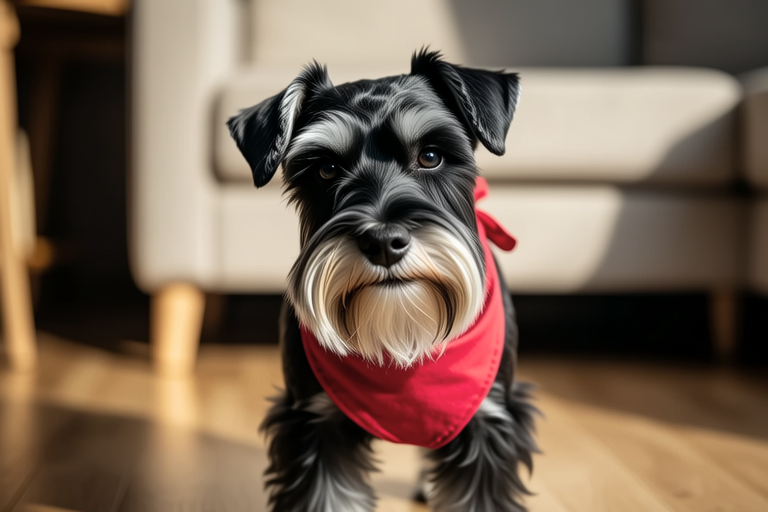
5 Myths About Schnauzers You Need to Stop Believing Today
Schnauzers have long been a favorite among dog enthusiasts for their distinctive appearance, loyal nature, and intelligence. These dogs come in three sizes: Standard, Miniature, and Giant, each offering unique traits that make them exceptional companions. Despite their popularity, many misconceptions about schnauzers persist, leading to misunderstandings about their temperament, health, and care requirements. This article aims to dispel five common myths surrounding schnauzers, providing you with accurate information to better understand and appreciate these remarkable dogs.
Myth 1: All Schnauzers Have the Same Personality
The Misconception: Many believe that all schnauzers, regardless of size, share identical personalities. However, this couldn’t be further from the truth. While schnauzers are generally known for being intelligent, alert, and energetic, their individual personalities can vary significantly depending on factors such as breeding, socialization, and training.
The Reality: According to the American Kennel Club (AKC), each schnauzer breed—Standard, Miniature, and Giant—has its own set of characteristics. Standards are often more outgoing and confident, making them excellent guard dogs. Minis tend to be more playful and affectionate, while Giants are typically calmer and more laid-back. Proper socialization and training are crucial for developing a well-rounded schnauzer. Early exposure to various environments and people helps shape a positive and adaptable personality.
Myth 2: Schnauzers Are Hypoallergenic Dogs
The Misconception: Schnauzers are frequently marketed as hypoallergenic dogs, leading many to believe they produce fewer allergens than other breeds. This belief is rooted in the idea that schnauzers shed less and produce less dander.
The Reality: While schnauzers may produce fewer allergens compared to some other breeds, they are not entirely hypoallergenic. A study published in the Journal of Allergy and Clinical Immunology found that no dog breed is completely free of allergens. Schnauzers do tend to shed less due to their wiry coats, which require regular grooming. However, they still produce dander and saliva, both of which can trigger allergic reactions in sensitive individuals. Regular grooming and thorough cleaning of living spaces can help minimize allergen levels.
Myth 3: Schnauzers Don’t Require Much Exercise
The Misconception: Given their compact size, many assume that schnauzers need minimal exercise. This belief overlooks the fact that schnauzers are highly energetic and intelligent dogs that require mental and physical stimulation to thrive.
The Reality: The AKC recommends at least 30 minutes of daily exercise for standard schnauzers and 45 minutes for giant schnauzers. Miniature schnauzers also benefit from regular activity. Daily walks, playtime, and mental challenges like puzzle toys or obedience training are essential for maintaining their physical and mental health. Without adequate exercise, schnauzers can become bored, leading to behavioral issues such as excessive barking or destructive chewing. Engaging your schnauzer in activities that stimulate both body and mind ensures a happy and well-adjusted pet.
Myth 4: Schnauzers Are Aggressive by Nature
The Misconception: Some people associate schnauzers with aggression, likely due to their protective instincts and bold demeanor. This perception can lead potential owners to avoid the breed altogether.
The Reality: While schnauzers can be territorial and protective of their families, proper training and socialization can prevent aggressive behavior. The American Society for the Prevention of Cruelty to Animals (ASPCA) emphasizes the importance of early socialization to expose puppies to various people, animals, and environments. Positive reinforcement training methods help build trust and confidence, fostering a friendly and well-mannered schnauzer. With consistent training and attention, schnauzers can become loving and gentle companions, especially with children.
Myth 5: Grooming Schnauzers Is a Simple Task
The Misconception: The distinctive beard and coat of schnauzers might lead one to think that grooming them is straightforward. However, maintaining a schnauzer’s appearance requires significant effort and expertise.
The Reality: Schnauzers have a double coat consisting of a soft undercoat and a harsh outer coat. Regular grooming is necessary to prevent matting and maintain hygiene. Professional grooming every six to eight weeks is recommended to keep the coat in top condition. At-home maintenance includes brushing the coat weekly, trimming the beard, and cleaning the ears regularly. Additionally, schnauzers are prone to skin conditions if not groomed properly. It’s advisable to consult a professional groomer and establish a grooming routine to ensure your schnauzer looks and feels its best.
Conclusion: Caring for Your Schnauzer
Understanding the true nature of schnauzers is key to providing them with the love and care they deserve. By debunking these common myths, we hope to equip you with accurate knowledge to make informed decisions about owning a schnauzer. Whether you’re a potential owner or a current schnauzer lover, remember that each dog is an individual with unique needs.
To properly care for your schnauzer, prioritize regular exercise, proper nutrition, and socialization. Establish a consistent grooming schedule and consider professional assistance to maintain their coat. Lastly, invest time in training and positive reinforcement techniques to build a strong bond and foster good behavior. With the right care and attention, schnauzers make wonderful, loyal companions that bring joy and happiness to their families.
