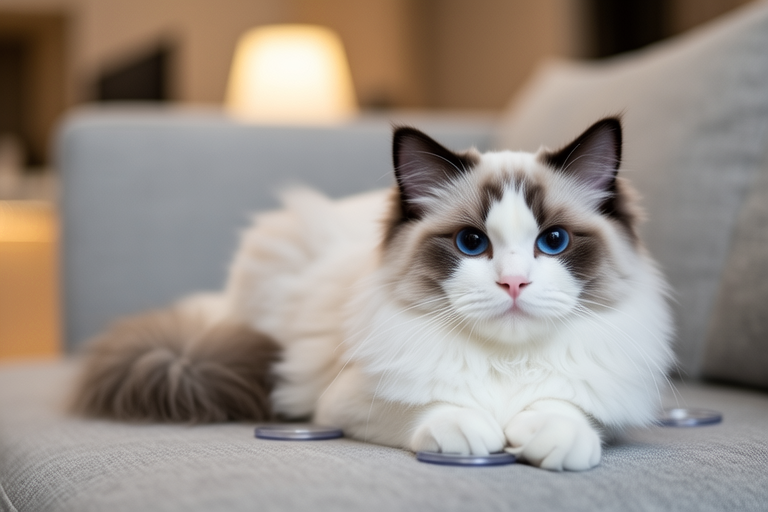
Adopting a Ragdoll: Your Ultimate Guide to Living with One of These Fluffy Friends
Welcome to the world of Ragdolls, one of the most charming and affectionate cat breeds. Known for their silky coats, striking blue eyes, and docile nature, Ragdolls have won the hearts of many cat enthusiasts around the globe. If you’re considering adopting a Ragdoll, this guide will help you understand everything from choosing the right pet to ensuring they live a long and healthy life.
Choosing the Right Ragdoll
When adopting a Ragdoll, it’s essential to consider several factors to ensure you bring home a cat that fits well with your lifestyle. Start by researching reputable breeders who prioritize the health and well-being of their cats. Look for a breeder who provides health clearances and can offer references or testimonials from previous buyers. Additionally, ensure the breeder follows ethical practices and adheres to local animal welfare laws.
Consider the age of the kitten you wish to adopt. While younger kittens are more energetic and playful, they also require more attention and training. Older kittens or adult cats may be more independent but still provide plenty of companionship. If you have children or other pets, it’s crucial to choose a Ragdoll that has been socialized and is comfortable in a busy household.
Understanding Their Temperament
Ragdolls are renowned for their gentle and affectionate demeanor. They are often described as “dog-like” due to their tendency to follow their owners around the house and even walk on a leash. These cats are known for their calm and relaxed attitude, making them ideal for families and individuals seeking a peaceful companion. Ragdolls tend to be very patient, which makes them excellent choices for households with children.
Despite their laid-back nature, Ragdolls still enjoy playtime and interaction. Interactive toys and regular play sessions can help stimulate their minds and keep them physically active. It’s important to provide mental and physical enrichment to prevent boredom and potential behavioral issues.
Dietary Needs
Proper nutrition is vital for maintaining a Ragdoll’s health and longevity. High-quality cat food formulated for indoor cats or specific life stages (kitten, adult, senior) should be the cornerstone of their diet. Look for food that contains high-quality protein sources such as chicken, fish, or turkey. Avoid foods with fillers or artificial preservatives, as these can contribute to weight gain and other health issues.
Consult with your veterinarian to determine the appropriate portion sizes and feeding schedule for your Ragdoll. Fresh water should always be available, and it’s beneficial to switch between different water bowls to encourage drinking. Some Ragdolls may benefit from wet food, which can help increase their water intake and improve hydration.
Grooming Tips
Ragdolls have semi-longhair coats that require regular grooming to maintain their luxurious appearance. Weekly brushing is recommended to remove loose hair and prevent matting. Use a slicker brush or comb to gently work through their fur, paying special attention to areas prone to tangles, such as behind the ears and under the tail. Bathing should be done infrequently, only when necessary, as over-bathing can strip their coat of natural oils.
In addition to brushing, nail trimming is essential to prevent overgrowth and discomfort. Regular nail trims can also reduce the likelihood of your Ragdoll scratching furniture. Consult with your veterinarian or groomer for proper techniques if you’re unsure. Dental hygiene is another critical aspect of grooming. Providing dental treats or toys can help keep their teeth clean and prevent gum disease.
Health Considerations
Like all breeds, Ragdolls are susceptible to certain genetic conditions. Hypertrophic cardiomyopathy (HCM), a heart condition, is one of the most significant concerns for this breed. Regular veterinary check-ups and early detection are crucial for managing and treating HCM. Other conditions to watch for include polycystic kidney disease (PKD) and progressive retinal atrophy (PRA). Genetic testing can help identify carriers of these conditions before breeding.
Vaccinations and routine preventive care are essential for keeping your Ragdoll healthy. Discuss a vaccination schedule with your veterinarian, including core vaccines such as rabies, feline herpesvirus, calicivirus, and panleukopenia. Parasite control, including flea, tick, and heartworm prevention, should be maintained year-round. Regular dental check-ups and blood tests can also help monitor overall health.
Common Behavioral Patterns
Ragdolls are known for their distinctive behaviors, such as following their owners from room to room and cuddling up in laps. They are generally not vocal cats but will occasionally chirp or meow when they want attention. Ragdolls enjoy being petted and often go into a trance-like state when held or stroked. This behavior is part of what gives them their name; they truly do resemble rag dolls when picked up.
While Ragdolls are typically gentle and easygoing, they can display some unique behaviors. Some may develop a habit of kneading or pawing at their owners, a behavior that stems from kittenhood. Others may engage in playful biting or pouncing, especially during periods of high energy. Providing appropriate outlets for these behaviors, such as interactive toys or scratching posts, can help redirect their energy and prevent unwanted habits.
Creating a Safe and Enriching Environment
Creating a safe and enriching environment for your Ragdoll is essential for their happiness and well-being. Start by securing windows and balconies to prevent accidental falls. Install window screens or safety nets if necessary. Cat-proof your home by securing loose wires, covering electrical outlets, and storing hazardous substances out of reach.
Toys and climbing structures can provide mental and physical stimulation, helping to keep your Ragdoll entertained and engaged. Consider adding perches near windows so they can observe outdoor activities safely. Providing a variety of scratching surfaces, such as cardboard scratchers and sisal posts, can help maintain their claws and prevent damage to furniture. A cozy bed or blanket in a quiet corner of the house will give your Ragdoll a place to rest and feel secure.
The Rewarding Experience of Owning a Ragdoll
Owning a Ragdoll is a deeply rewarding experience. Their gentle nature, affectionate behavior, and striking appearance make them beloved members of many households. The bond formed between owner and Ragdoll can be incredibly strong, offering companionship and comfort. Watching your Ragdoll grow and thrive under your care is a joyous experience that brings immense satisfaction.
As with any pet, there are challenges and responsibilities that come with ownership. However, the love and loyalty your Ragdoll offers make the effort worthwhile. By providing a nurturing environment, proper care, and plenty of attention, you’ll ensure that your Ragdoll lives a happy and fulfilling life.
Resources for Further Learning
If you’re eager to learn more about Ragdolls, there are numerous resources available. Books, articles, and online forums dedicated to cat care and Ragdoll-specific information can provide valuable insights. Joining a local or online community of Ragdoll owners can also be beneficial, as you can share experiences, ask questions, and receive support. Consulting with veterinarians specializing in feline medicine can also deepen your knowledge and help address any specific concerns you may have.
