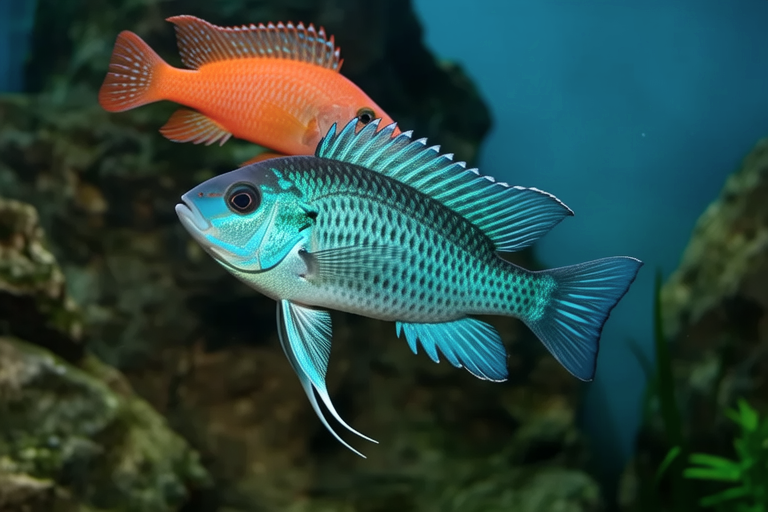
Comprehensive Guide to Breeding Rajah Cichlids at Home
Welcome to this comprehensive guide on breeding Rajah Cichlids (Vicarius zenkeri) at home. This detailed manual covers everything from setting up the ideal tank environment to caring for the fry, ensuring success for both novice and experienced aquarists.
Optimal Tank Setup
Rajah Cichlids require a spacious aquarium with plenty of hiding spots and open swimming areas. A minimum of 75 gallons is recommended for a pair or small group. Use a fine gravel substrate and include driftwood, rocks, and caves to mimic their natural habitat. Live plants like Java Fern and Amazon Swords can also be beneficial, but ensure they’re robust enough to withstand the cichlids’ digging behavior.
- Tank Size: Minimum 75 gallons
- Substrate: Fine gravel
- Decorations: Driftwood, rocks, caves, live plants
Water Parameters
Maintain the following conditions:
- Temperature: 75-82°F (24-28°C)
- pH Level: 6.5-7.5
- General Hardness: 5-12 dGH
- Total Alkalinity: 3-8 KH
Regular testing and maintenance of these parameters are crucial for the health and well-being of your Rajah Cichlids.
Diet Requirements for Breeding Pairs
A balanced diet rich in protein is essential for preparing Rajah Cichlids for breeding. Offer high-quality flake foods, pellets, frozen brine shrimp, bloodworms, and occasional live feeder fish. Feed them twice daily, ensuring they consume all food within five minutes.
- Protein-Rich Foods: Flakes, pellets, frozen brine shrimp, bloodworms, live feeder fish
- Feeding Schedule: Twice daily, no leftovers after five minutes
Signs of Readiness to Breed
Monitor your Rajah Cichlids for these signs indicating readiness to breed:
- Coloration: Brighter colors and distinct markings
- Behavior: Increased aggression, territoriality, and pairing off
- Spawning Sites: Preparation of spawning sites by cleaning surfaces and guarding territory
These behaviors suggest that the fish are ready to spawn.
Spawning Process
Once a pair has chosen a spawning site, they will lay approximately 200-400 eggs. Both parents take turns fanning the eggs with their fins to keep them clean and aerated. After three days, the eggs hatch, revealing tiny, transparent larvae. Continue feeding the adults during this period to maintain their strength.
- Egg Laying: Approximately 200-400 eggs
- Hatching Time: Three days
- Larvae Appearance: Tiny, transparent larvae
Egg Care
During the incubation period, avoid disturbing the spawning site. Maintain stable water conditions and feed the adults a nutritious diet. If necessary, perform partial water changes using a siphon to prevent ammonia buildup without directly disturbing the eggs.
- Incubation Period: Three days
- Water Changes: Partial water changes using a siphon
Fry Rearing Techniques
Upon hatching, the fry remain attached to the spawning site for several days before becoming free-swimming. Transfer them to a separate rearing tank with sponge filters and a gentle current. Initially, feed them infusoria and then progress to finely ground flakes, newly hatched brine shrimp, and crushed freeze-dried foods as they grow.
- Initial Diet: Infusoria
- Gradual Diet Progression: Finely ground flakes, newly hatched brine shrimp, crushed freeze-dried foods
Common Challenges Faced During Breeding
Several issues may arise during the breeding process:
- Poor Water Quality: Regularly test and adjust water parameters to maintain optimal conditions.
- Inadequate Nutrition: Provide a varied diet rich in protein to prepare the fish for breeding.
- Poor Spawning Site Selection: Ensure ample hiding spots and spawning sites in the tank.
- Predation: Protect the eggs and fry from predation by removing other fish or providing additional hiding spots.
Addressing these challenges promptly can significantly increase the chances of successful breeding.
Tips for Maintaining a Healthy Environment
Follow these tips to ensure a healthy environment for both adult fish and offspring:
- Water Quality: Perform regular water changes and monitor parameters closely.
- Diet: Provide a balanced diet rich in protein.
- Stress Reduction: Minimize handling and disturbances to reduce stress.
- Separate Tanks: Consider separating breeding pairs into dedicated tanks to minimize competition and stress.
Implementing these practices will help create a thriving environment for your Rajah Cichlids.
Conclusion
Breeding Rajah Cichlids requires careful attention to detail and a commitment to providing the best possible environment for both adults and offspring. By following this comprehensive guide, you’ll be well-equipped to successfully breed Rajah Cichlids at home. Remember that patience and persistence are key, and with time and experience, you’ll become more adept at recognizing the signs of readiness and addressing any challenges that arise.
