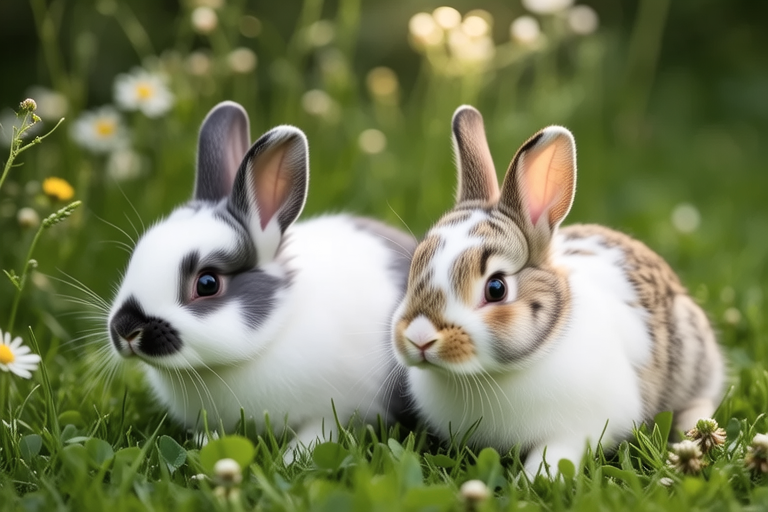
Dutch Dwarf Rabbits Unleashed: Discover the Charm of These Tiny Terrors
Welcome to the delightful world of Dutch Dwarf rabbits! These pint-sized wonders are not just adorable but also come with a host of unique traits that make them stand out among other rabbit breeds. With their compact bodies, striking markings, and playful personalities, Dutch Dwarfs have captured the hearts of many pet lovers. This article aims to provide you with a comprehensive guide to understanding, caring for, and enjoying the company of these charming creatures.
Introduction to Dutch Dwarf Rabbits
Dutch Dwarfs are one of the smallest domestic rabbit breeds, typically weighing between 2 to 2.5 pounds. Their diminutive size makes them perfect for apartment dwellers or those who prefer a more manageable pet. What sets Dutch Dwarfs apart from other rabbits is their distinct coat pattern. They sport a white blaze that extends from their forehead down to their nose, along with contrasting colors on their ears, feet, and tail. The combination of these features creates a striking, almost regal appearance.
Beyond their looks, Dutch Dwarfs are known for their friendly yet somewhat mischievous personalities. They are generally curious and active, always ready to explore new environments. However, they can also be quite independent, which means they require patient and consistent handling to bond with their owners. Despite their small size, Dutch Dwarfs are full of energy and can be quite vocal, especially when they want attention or food.
The Origins of Dutch Dwarfs
The history of Dutch Dwarfs traces back to the early 20th century in Holland. Breeders sought to create a smaller version of the larger Dutch breed by crossing it with other dwarf breeds like Netherland Dwarfs. Over time, this selective breeding led to the development of the Dutch Dwarf as we know it today. They were initially bred as show rabbits due to their attractive appearance and have since become popular pets worldwide.
Ideal Living Conditions
Dutch Dwarfs thrive in environments that cater to their active lifestyle. A spacious hutch or cage is essential for providing ample room to move around. The cage should be at least 3 feet wide, 2 feet deep, and 2 feet high to allow for comfortable movement and stretching. Additionally, providing ramps or platforms within the cage can help stimulate their natural jumping behavior.
Outdoor housing is preferable during warmer months, but indoor accommodations are necessary during colder seasons. If kept outdoors, ensure the hutch is placed in a sheltered area protected from wind, rain, and extreme temperatures. Indoor rabbits should have access to a safe, enclosed space where they can play and exercise. Regular cleaning of their living area is crucial to maintaining hygiene and preventing health issues.
Dietary Needs
Proper nutrition is vital for the overall health and well-being of Dutch Dwarfs. Their diet should primarily consist of hay, which aids digestion and keeps their teeth healthy. Fresh vegetables such as carrots, spinach, and broccoli should be offered daily in moderation. Avoid feeding them iceberg lettuce or too many sugary fruits as these can lead to digestive problems.
Commercial rabbit pellets can supplement their diet but should not replace hay or fresh vegetables. Always provide fresh water, either through a sipper bottle or a heavy-bottomed dish to prevent tipping. Regular monitoring of your rabbit’s weight and condition will help ensure they are receiving adequate nutrition.
Common Health Issues
Like any other pet, Dutch Dwarfs are susceptible to certain health issues. Dental problems are common due to their continuously growing teeth. Providing plenty of hay and occasional chew toys helps wear down their teeth naturally. Signs of dental issues include drooling, loss of appetite, and difficulty eating.
Another concern is gastrointestinal stasis, a condition where the digestive system slows down or stops functioning properly. This can result from stress, lack of fiber in the diet, or dehydration. Early signs include decreased activity, reduced appetite, and smaller fecal pellets. Immediate veterinary care is necessary if you suspect gastrointestinal stasis.
Respiratory infections are also prevalent, particularly in poorly ventilated environments. Symptoms include sneezing, runny nose, and labored breathing. Ensuring good air circulation in their living area and keeping them away from drafts can help prevent these infections.
Tips for Handling, Training, and Bonding
Handling Dutch Dwarfs requires gentle yet firm techniques. Pick them up by supporting their hindquarters and chest to avoid injury. Always supervise interactions with children and other pets to ensure safety.
Training can be fun and rewarding. Positive reinforcement methods work best; offering treats and praise when they exhibit desired behaviors encourages repetition. Simple commands like ‘come’ or ‘sit’ can be taught over time. Consistency is key, so dedicate regular training sessions to build trust and obedience.
Bonding with your Dutch Dwarf takes time and patience. Spend quality time together each day, allowing them to get used to your presence. Offer treats during these sessions to strengthen the bond. Gradually increase the duration of your interactions until they feel comfortable around you.
Why Dutch Dwarfs Make Wonderful Pets
Despite their sometimes mischievous nature, Dutch Dwarfs are truly delightful companions. Their small size makes them easy to manage, and their playful demeanor brings joy to any household. They are intelligent and respond well to interaction, making them ideal for families looking for an interactive pet.
Their unique appearance adds character to any home, and their relatively low maintenance requirements make them suitable for busy lifestyles. Whether you’re a seasoned pet owner or new to rabbit care, Dutch Dwarfs offer a rewarding experience filled with love and laughter.
In conclusion, Dutch Dwarf rabbits are not just tiny terrors but enchanting creatures with much to offer. By understanding their needs and providing proper care, you can enjoy a long and fulfilling relationship with these charming little rabbits. So, if you’re considering adopting a Dutch Dwarf, rest assured you’re welcoming a delightful addition to your family.
