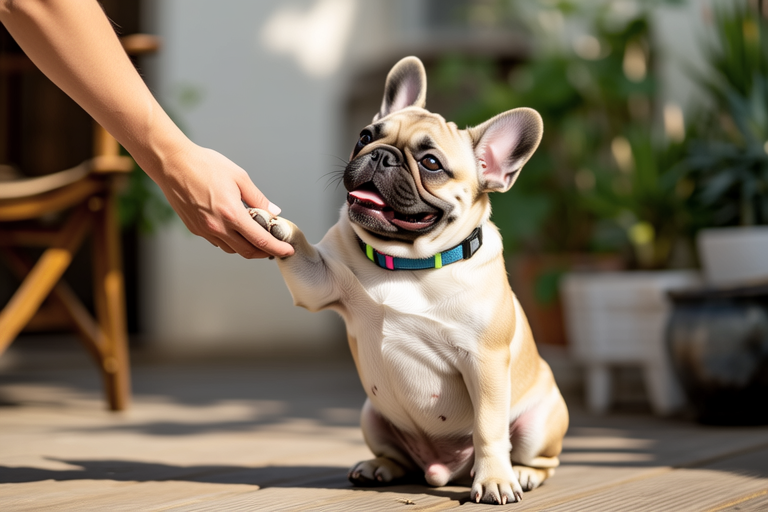
How to Make Your Frenchie the Happiest Dog on the Block
Welcome to the world of French Bulldogs! These delightful companions are known for their charming personalities and unique looks. However, ensuring your Frenchie is the happiest dog on the block requires more than just love and attention. Proper nutrition, exercise, training, grooming, and environmental enrichment all play crucial roles in keeping your French Bulldog healthy, happy, and thriving. Let’s dive into each aspect with practical advice, personal anecdotes, and scientific insights.
Proper Nutrition Tailored for French Bulldogs
Feeding your Frenchie the right diet is fundamental to their overall health and happiness. French Bulldogs have specific dietary needs due to their small size, brachycephalic (short-nosed) anatomy, and potential predisposition to certain health issues like obesity and digestive problems.
Choose High-Quality Dog Food: Opt for premium dog food brands that prioritize high-quality protein sources such as chicken, turkey, or fish. Look for foods that list meat as the first ingredient and avoid those containing fillers, artificial preservatives, or by-products. Consult with your veterinarian to determine the best type of food for your Frenchie based on age, activity level, and any existing health conditions.
Monitor Portion Sizes: Overfeeding can lead to weight gain, which may exacerbate respiratory issues and joint problems common in French Bulldogs. Use a measuring cup to ensure you’re feeding the recommended amount per day. Consider splitting their daily portion into two meals to help regulate blood sugar levels and prevent bloat.
Incorporate Fresh Foods: Adding fresh vegetables like green beans, carrots, and sweet potatoes can provide essential vitamins and minerals while boosting fiber intake. Small amounts of cooked lean meats can also be included as occasional treats. Always introduce new foods gradually to monitor for any adverse reactions.
Essential Exercise Routines Considering Their Breed
French Bulldogs are relatively low-energy dogs compared to many other breeds, but they still require regular physical activity to maintain optimal health and well-being. The key is finding exercises that suit their short legs, sturdy bodies, and unique respiratory system.
Short Walks and Play Sessions: Daily walks around the neighborhood are beneficial, but keep them brief—about 15 minutes at most. Focus on gentle walking rather than vigorous running. Incorporate playtime with toys that encourage mental stimulation, such as puzzle feeders or interactive balls.
Swimming: Swimming is an excellent form of exercise for French Bulldogs because it provides a full-body workout without putting too much strain on their joints. Ensure there’s shallow water available for easy entry and exit, and always supervise during swims.
Indoor Activities: On rainy days or when temperatures drop below freezing, indoor activities like hide-and-seek or fetch can keep your Frenchie entertained and active. Tug-of-war games are particularly enjoyable but should be supervised closely to avoid excessive pulling.
Effective Training Techniques
Training your Frenchie early and consistently helps establish good behavior habits and strengthens the bond between you and your pet. French Bulldogs are intelligent but can sometimes be stubborn, so patience and positive reinforcement are key.
Start Early: Begin training sessions when your puppy is around eight weeks old. Short, frequent sessions (5-10 minutes) work best, especially for young puppies who have limited attention spans.
Use Positive Reinforcement: Reward desired behaviors with treats, praise, and affection. This encourages your Frenchie to repeat those actions. Avoid punishment-based methods, as they can create fear or aggression.
Teach Basic Commands: Start with simple commands like “sit,” “stay,” “come,” and “leave it.” Gradually increase the difficulty level once your Frenchie masters these basics. Consistency across family members ensures your Frenchie learns quickly.
Grooming Tips Specific to Their Coat and Skin
French Bulldogs have short, smooth coats that require minimal grooming compared to longer-haired breeds. However, maintaining their coat and skin health remains important for overall well-being.
Bathing Routine: Bathe your Frenchie every four to six weeks using a mild, pH-balanced shampoo formulated specifically for dogs. Over-bathing strips natural oils from their skin, leading to dryness and irritation. After bathing, thoroughly dry their wrinkles with a soft towel to prevent moisture buildup.
Brush Regularly: Even though their coat doesn’t need frequent brushing, doing so weekly helps distribute natural oils throughout the fur and removes loose hair. Choose a soft-bristled brush designed for short-haired dogs.
Inspect Wrinkles: Check inside your Frenchie’s facial folds daily for signs of redness, discharge, or odor, which could indicate infection or irritation. Clean gently with a damp cloth or specialized cleanser recommended by your vet. Dry thoroughly afterward to prevent bacterial growth.
Creating a Stimulating Environment
A mentally enriched environment keeps your Frenchie engaged and reduces boredom-related behaviors like chewing or barking excessively. Providing various forms of enrichment stimulates different senses and encourages exploration.
Toys and Puzzle Feeders: Offer a variety of toys, including chew toys, tug ropes, and puzzle feeders. Rotate them periodically to maintain interest. Puzzle feeders challenge your Frenchie mentally while satisfying their natural urge to hunt for food.
Interactive Games: Engage in interactive games that promote cognitive development. For example, hide treats around the house and encourage your Frenchie to find them. This mimics hunting behavior and provides mental stimulation.
Safe Outdoor Exploration: Allow your Frenchie safe outdoor experiences within a securely fenced yard or under supervision. Introduce new sights, sounds, and smells gradually to prevent overwhelming them. Consider taking them to dog parks or local trails where they can socialize with other dogs.
Personal Anecdotes and Scientific Insights
As a proud Frenchie owner, I’ve learned firsthand how important it is to tailor care specifically for this breed. One memorable experience involved introducing my Frenchie, Charlie, to swimming. Initially skeptical, he hesitated near the edge of the pool before finally dipping his toes in. Once comfortable, Charlie swam effortlessly, enjoying himself immensely. His enthusiasm convinced me of the benefits swimming offers for French Bulldogs.
Scientifically speaking, French Bulldogs possess brachycephalic airway syndrome, characterized by narrowed nostrils, elongated soft palates, and small windpipes. This condition makes them more susceptible to heatstroke and respiratory distress during intense physical activities. Therefore, focusing on gentle yet effective exercises aligns perfectly with their physiological limitations.
Another fascinating aspect is the importance of mental stimulation. Studies show that dogs experiencing boredom are more likely to develop behavioral issues. By providing engaging environments and activities, we not only enhance our pets’ quality of life but also strengthen our relationship with them.
In conclusion, making your French Bulldog the happiest dog on the block involves understanding and addressing their unique needs through proper nutrition, exercise, training, grooming, and environmental enrichment. With consistent effort and dedication, you’ll foster a joyful, healthy companion who brings endless delight into your life.
