A Complete Guide to Caring for Your Chilean Rose Tarantula at Home
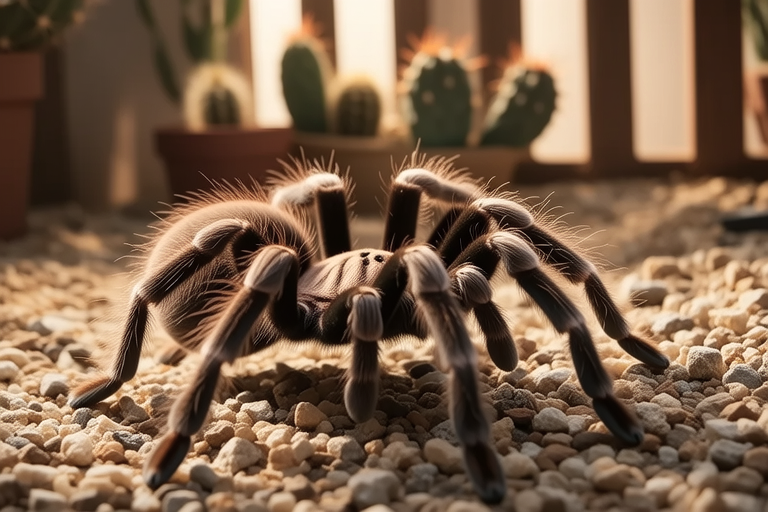
The Chilean rose tarantula, also known as Grammostola rosea, is one of the most popular pet tarantulas among arachnid enthusiasts. These docile creatures are not only fascinating to observe but also relatively easy to care for, making them ideal for beginners. Their vibrant coloration and calm demeanor have contributed to their widespread appeal. In this comprehensive guide, we will explore everything you need to know about providing the best possible care for your Chilean rose tarantula at home.
Optimal Tank Setup
Creating the right environment is crucial for your tarantula’s well-being. The tank should be spacious enough to allow movement while maintaining a secure enclosure. A 10-gallon tank is suitable for a single adult tarantula, though larger tanks offer more room for exploration and growth. Ensure that the tank has a tight-fitting lid to prevent escapes.
The substrate plays a vital role in mimicking the tarantula’s natural habitat. A mix of coconut fiber and vermiculite works well, providing both moisture retention and drainage. This substrate should be kept damp but not wet, as excessive moisture can lead to respiratory problems. Aim for a humidity level between 60% and 80%. Use a hygrometer to monitor these levels accurately.
Temperature control is equally important. Maintain a temperature range of 75°F to 85°F (24°C to 29°C) within the tank. A heat mat placed underneath part of the tank can help achieve this. Avoid placing the entire tank on the heat mat to provide a temperature gradient, allowing your tarantula to regulate its body temperature effectively.
Hiding spots are essential for your tarantula’s comfort and security. Offer various options such as cork bark, half logs, or plastic plants. These hideouts should be large enough for the tarantula to fit comfortably inside. Providing multiple hiding spots encourages natural behaviors and reduces stress.
Feeding Requirements
Chilean rose tarantulas are carnivorous and require a diet rich in protein. Feed them appropriately sized insects such as crickets, mealworms, and dubia roaches. Young tarantulas should be fed every 3-5 days, while adults can be fed once a week. Always remove uneaten prey after 24 hours to avoid contamination.
During molting, your tarantula will shed its exoskeleton. Do not feed during this time, as it could damage the delicate new skin. Provide a shallow water dish to aid the molting process. Once the molt is complete, resume feeding as usual.
As your tarantula grows, its dietary needs may change. Juvenile tarantulas require smaller prey items, while adults can handle larger insects. Adjust portion sizes accordingly to ensure proper nutrition and growth.
Handling and Interaction
While handling is generally safe, it should be done carefully to avoid stressing your tarantula or causing injury. Always wash your hands before and after handling to eliminate any potential contaminants. Gently place your hand near the front of the tank and let the tarantula walk onto your hand. Support its body with your other hand to prevent falls.
It is important to note that tarantulas can release urticating hairs when they feel threatened. These hairs can cause irritation if they come into contact with skin or eyes. To minimize the risk, handle your tarantula infrequently and always wear protective gloves.
Common Health Issues and Preventive Care
Like any pet, tarantulas can face health challenges. Common issues include dehydration, mites, and infections. Signs of distress include lethargy, refusal to eat, or unusual behavior. Regular observation and prompt action are key to addressing these concerns.
To prevent health issues, maintain clean living conditions by regularly cleaning the tank and replacing the substrate. Quarantine new prey items before introducing them to the tank to avoid introducing parasites or diseases. Monitor your tarantula’s weight and activity level to ensure overall health.
Tips for Long-Term Care and Enrichment Activities
Providing a stimulating environment enhances your tarantula’s quality of life. Rotate toys and decorations periodically to keep the enclosure interesting. Consider adding live plants or silk plants to mimic a natural setting. These enrichments encourage exploration and mental stimulation.
Long-term care involves consistent monitoring of environmental factors such as temperature, humidity, and cleanliness. Regular check-ups can help identify potential issues early. Consult with a veterinarian specializing in exotic pets if you notice any concerning symptoms or changes in behavior.
In conclusion, caring for a Chilean rose tarantula requires attention to detail and commitment. By understanding their specific needs and providing a nurturing environment, you can ensure that your pet thrives. With patience and dedication, you’ll enjoy the rewarding experience of sharing your home with this unique and captivating creature.
