From Seashell to Shelter: Understanding the Unique Needs of Hermit Crabs
Hermit crabs are fascinating creatures that have captivated the hearts of many animal lovers. These crustaceans, known for their unique lifestyle, are found in various habitats, from tropical beaches to coral reefs. Understanding their specific needs is essential for their well-being, ensuring they thrive in captivity. This article delves into the intricate world of hermit crabs, exploring their natural habitat, the importance of providing appropriate shells, environmental requirements, dietary needs, and tips for creating an enriching environment.
The Intriguing Life of Hermit Crabs
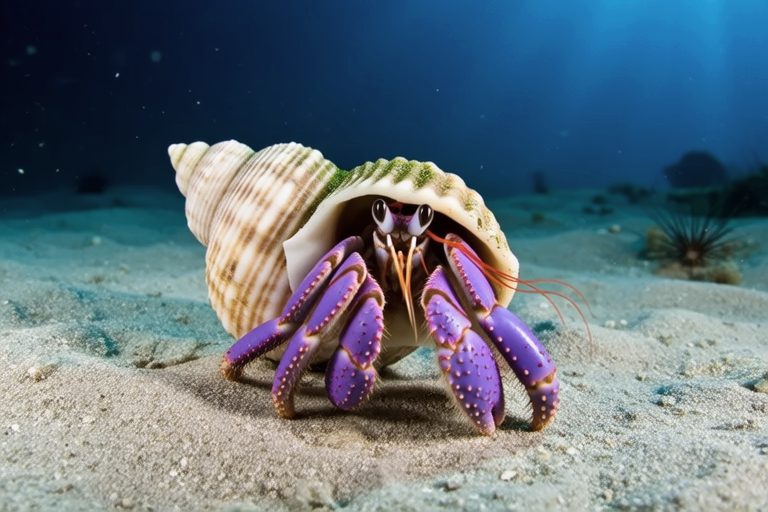
Hermit crabs are not true crabs but rather members of the superfamily Paguroidea. Unlike other crustaceans, hermit crabs do not have a hard exoskeleton to protect their soft abdomens. Instead, they seek out discarded mollusk shells, which they carry around as mobile homes. This behavior has earned them the name “hermit” crabs, as they appear to live solitary lives within their shells. Their natural habitats range from tropical beaches to coral reefs, where they scavenge for food and search for new, larger shells to accommodate their growing bodies.
Hermit crabs are social animals, often living in colonies. They communicate through sound and touch, using their antennae and claws. Despite their solitary appearance, hermit crabs can be quite social when provided with the right environment. Understanding their natural habitat and behavior is crucial for their well-being in captivity. By replicating their natural environment, we can ensure that hermit crabs lead healthy and fulfilling lives.
The Importance of Providing Appropriate Shells
One of the most critical aspects of hermit crab care is providing them with suitable shells. The size, shape, and condition of the shell directly impact the hermit crab’s health and well-being. As hermit crabs grow, they must periodically find new shells to fit their expanding bodies. Inadequate shells can lead to stress, malnutrition, and even death. Therefore, it is essential to offer a variety of shells in different sizes and shapes, allowing each crab to choose the one that best suits its body.
The shell’s condition is equally important. Cracks or holes in the shell can expose the hermit crab’s soft abdomen to predators and environmental hazards. To prevent this, always inspect shells for any damage before introducing them into the hermit crab’s habitat. Additionally, ensure that the shells are clean and free from harmful chemicals or toxins. Some hermit crabs may reject a shell due to its condition, so it is advisable to provide multiple options for each crab.
Environmental Requirements
Mimicking the hermit crab’s natural environment is crucial for their health and happiness. Several factors must be considered when setting up a hermit crab habitat, including temperature, humidity, substrate, and lighting. Each of these elements plays a vital role in ensuring the hermit crab thrives in captivity.
Temperature: Hermit crabs are ectothermic, meaning they rely on external sources of heat to regulate their body temperature. Maintaining a consistent temperature between 75°F and 85°F (24°C and 29°C) is ideal. Use a thermometer to monitor the temperature and adjust heating devices, such as under-tank heaters or ceramic heat emitters, as needed. Avoid placing the habitat near windows or drafts, as sudden temperature changes can stress the crabs.
Humidity: High humidity levels are essential for hermit crabs, as they help maintain the moisture in their gills. A humidity level between 70% and 80% is recommended. Achieve this by misting the habitat daily, providing water dishes, and ensuring proper ventilation. Overly dry conditions can lead to respiratory issues, while excessively high humidity can promote mold growth. Monitor the humidity levels regularly and make adjustments as necessary.
Substrate: The substrate provides a surface for the hermit crabs to burrow, hide, and search for food. It also helps maintain humidity levels within the habitat. Suitable substrates include coconut fiber, sand, or a combination of both. Avoid using substrates that can become compacted, as this can hinder the crabs’ ability to dig and create tunnels. Provide a layer of substrate at least two to three times the height of the largest hermit crab in the enclosure.
Lighting: Hermit crabs require ultraviolet (UV) light to synthesize vitamin D3, which aids in calcium absorption. Provide a full-spectrum UVB light source, ensuring it covers the entire habitat. Place the light source at a distance that allows the crabs to bask under it without overheating. Maintain a 12-hour light cycle to simulate day and night, helping the crabs maintain a regular circadian rhythm.
Dietary Needs
Hermit crabs are omnivorous scavengers, feeding on a variety of plant and animal matter. A balanced diet is essential for their health and longevity. Offer a diverse selection of foods, including fruits, vegetables, proteins, and commercial hermit crab food. Fresh produce such as apples, bananas, carrots, and leafy greens can be offered daily. Rotate the types of fruits and vegetables to ensure a wide range of nutrients.
Protein sources like fish, shrimp, and boiled eggs can be provided once or twice a week. Avoid feeding processed human foods, as they may contain additives harmful to hermit crabs. Commercial hermit crab food can supplement their diet, providing essential vitamins and minerals. Always remove uneaten food after a few hours to prevent spoilage and maintain hygiene.
In addition to food, hermit crabs require access to fresh water for drinking and soaking. Provide shallow water dishes, ensuring they are deep enough for the crabs to submerge their entire bodies but not so deep that they risk drowning. Change the water daily to prevent bacterial growth and maintain cleanliness.
Tips for Creating a Stimulating Environment
To create a stimulating and enriching environment for hermit crabs, focus on providing opportunities for exploration, social interaction, and mental stimulation. Hermit crabs are curious creatures that enjoy investigating their surroundings. Offer a variety of objects, such as driftwood, rocks, and cork bark, for them to climb, hide, and explore. These additions not only enhance the habitat’s aesthetics but also provide enrichment for the crabs.
Social interaction is another essential aspect of hermit crab care. While hermit crabs are generally peaceful, they can exhibit territorial behavior over shells and space. To promote harmony, introduce crabs gradually and monitor their interactions. Provide ample hiding spots and shells to minimize competition. Encourage social interaction by offering communal feeding areas and shallow water dishes.
Common Misconceptions About Hermit Crab Care
Several misconceptions surround hermit crab care, leading to misunderstandings about their needs. One common misconception is that hermit crabs require little attention and can thrive in small enclosures. In reality, hermit crabs need spacious habitats with adequate ventilation, humidity, and temperature control. Another misconception is that hermit crabs can survive on a limited diet of commercial hermit crab food. While commercial food is beneficial, a varied diet of fresh produce and protein is essential for their overall health.
Another myth is that hermit crabs can live indefinitely without changing their shells. In truth, hermit crabs must periodically find new shells as they grow. Providing a variety of shells ensures that each crab can find a suitable replacement when needed. Lastly, some believe that hermit crabs can survive in low-humidity environments. However, high humidity levels are crucial for maintaining the moisture in their gills, preventing respiratory issues.
By understanding and addressing these misconceptions, hermit crab owners can provide optimal care, ensuring their pets lead healthy and fulfilling lives.
From seashell to shelter, hermit crabs have unique needs that require careful consideration. By providing appropriate shells, maintaining the right environmental conditions, offering a balanced diet, and creating a stimulating environment, hermit crab owners can ensure their pets thrive in captivity. With proper care and attention, hermit crabs can be rewarding companions, bringing joy and fascination to their owners.
