Siamese Cats: The Ultimate Guide for First-Time Cat Owners
Welcome to the world of Siamese cats! If you’re considering bringing a Siamese into your home, you’ve made an excellent choice. Known for their striking looks and engaging personalities, these cats can be wonderful companions for first-time pet owners. This comprehensive guide will walk you through everything you need to know about owning a Siamese cat.
Introduction to Siamese Cats
The Siamese cat is one of the oldest domesticated breeds, originating from Thailand (formerly known as Siam). These cats have been cherished for centuries for their distinctive appearance and friendly demeanor. They were once considered sacred animals in their native land, often associated with royalty. Today, Siamese cats are popular pets around the world due to their intelligence, loyalty, and sociable nature.
Appearance and Unique Features
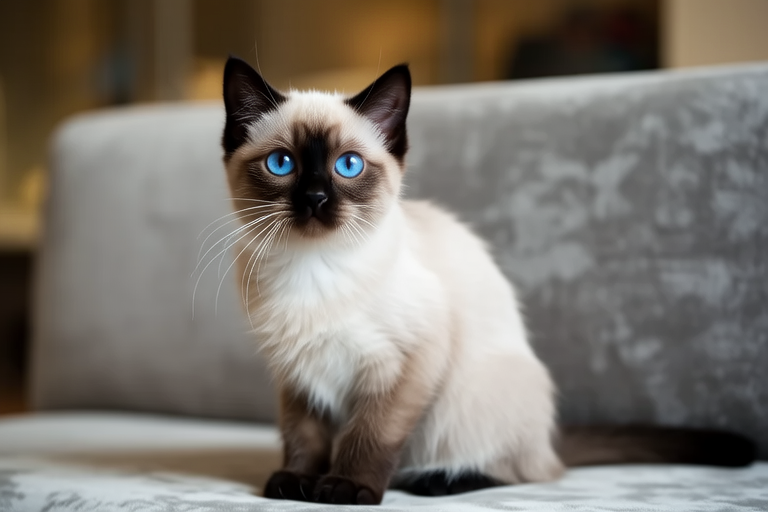
Siamese cats are easily recognizable by their sleek, muscular bodies, large ears, and almond-shaped blue eyes. Their coats are typically short and fine, with a light base color that contrasts sharply with darker points on their face, ears, paws, and tail. The most common colors include seal point, blue point, chocolate point, and lilac point. Their elegant physique combined with their expressive faces makes them stand out among other cat breeds.
Temperament and Behavior
Siamese cats are known for being vocal, affectionate, and highly interactive. They thrive on human companionship and often form strong bonds with their owners. These cats enjoy being part of family activities and may follow you from room to room, seeking attention and engagement. Their curiosity and playful nature make them great indoor cats who appreciate mental stimulation and physical activity.
Dietary Needs
Feeding your Siamese cat a balanced diet is crucial for maintaining optimal health. High-quality commercial cat foods designed for adult cats or specific life stages are recommended. Look for options containing real meat as the primary ingredient, along with essential vitamins and minerals. Avoid feeding them table scraps or excessive treats that could lead to obesity. Consult with your veterinarian about appropriate portion sizes based on your cat’s age, weight, and activity level.
Grooming Requirements
Despite having short fur, Siamese cats still require regular grooming to keep their coats healthy and free from mats or tangles. Brush them weekly using a soft-bristled brush or grooming mitt to remove loose hairs and distribute natural oils throughout their coat. Additionally, pay attention to their dental hygiene by brushing their teeth regularly or providing chew toys that promote oral health. Trim their nails every few weeks if necessary.
Health Issues Common to Siamese Cats
While generally healthy, Siamese cats may be prone to certain genetic conditions such as progressive retinal atrophy, which affects vision over time; respiratory problems like asthma; and dental issues. Regular veterinary check-ups can help catch any potential health concerns early on. Maintaining a healthy lifestyle through proper nutrition, exercise, and routine care can also reduce the risk of developing these issues.
Exercise and Playtime Recommendations
Siamese cats are energetic and enjoy playing games that stimulate both mind and body. Interactive toys like feather wands, laser pointers, and puzzle feeders provide mental challenges while encouraging physical activity. Allocate at least 15-30 minutes daily for structured play sessions, but remember that they will also engage in spontaneous play throughout the day. Ensure there are plenty of climbing structures and scratching posts available for them to explore and stretch.
Training Tips
Training your Siamese cat can be rewarding and fun. Positive reinforcement techniques involving treats, praise, and clicker training work well. Teach basic commands such as “come,” “sit,” and “stay” through consistent repetition and reward-based methods. Encourage good behavior by redirecting unwanted actions towards acceptable alternatives rather than punishing bad behaviors directly. Patience and consistency are key when working with any animal.
Socialization Advice
Early socialization plays a vital role in shaping your Siamese kitten’s future interactions with people and other animals. Expose them to various environments, sounds, and experiences gradually during their developmental stage (up until about 16 weeks old). Introduce them gently to different types of people, including children, elderly individuals, and those wearing hats or glasses. This helps build confidence and ensures they grow up to be well-adjusted adults capable of adapting to diverse situations.
Housing and Environmental Needs
Adequate space is important for Siamese cats as they love exploring and investigating their surroundings. Provide multiple levels within your home where they can climb, perch, and observe their environment safely. Install window perches so they can enjoy views outside while remaining secure indoors. Keep litter boxes easily accessible yet discreetly located away from high-traffic areas. Ensure all household plants are non-toxic since some Siamese might attempt to nibble on foliage.
Cost of Ownership
Owning a Siamese cat comes with several costs beyond just the initial adoption fee. Expect to spend approximately $100-$400 annually on premium cat food, depending on brand preferences and serving sizes. Veterinary expenses including vaccinations, annual checkups, spaying/neutering, and emergency treatments could add another $500-$1,000 annually. Essential supplies like litter boxes, litter, brushes, collars, tags, beds, toys, and scratching posts might cost around $200-$300 initially.
Where and How to Adopt a Siamese Cat
If you’re ready to welcome a Siamese cat into your life, consider adopting from reputable shelters or rescue organizations instead of purchasing from breeders. Many shelters have purebred Siamese available for adoption, offering them loving homes after previous owners could no longer care for them. When visiting potential adoptees, take note of their energy levels, social skills, and overall health condition before making a decision. Adopting provides a second chance at happiness for these deserving animals.
In conclusion, Siamese cats offer a unique blend of beauty, intelligence, and affection that can enrich the lives of their owners. By understanding their specific needs and providing proper care, you can ensure many years of joy together. Remember that each Siamese has its own personality, so be patient as you get to know your new furry friend better. With this ultimate guide in hand, you’re now equipped to provide the best possible life for your Siamese companion.
