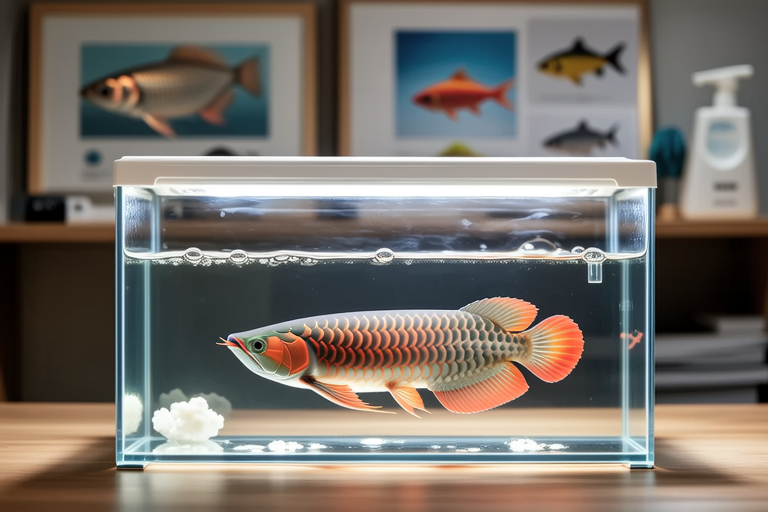
Setting Up Your First Arowana Tank: Essential Guide and Insights
Welcome to the fascinating world of keeping arowana fish! Known for their stunning appearance and impressive size, arowanas are a popular choice among aquarium enthusiasts. However, they require specific care and an optimal tank environment to thrive. This comprehensive guide will walk you through the essential steps to set up your first arowana tank, ensuring both you and your fish enjoy a rewarding experience.
Tank Size Requirements
The most crucial aspect of arowana care is providing ample space. Arowanas are large, active fish that need plenty of room to swim freely. For a single adult arowana, a tank with a minimum length of 6 feet (180 cm) and a width of 3 feet (90 cm) is recommended. The height of the tank can vary depending on the specific species, but generally, it should be at least 2 feet (60 cm) tall. Always opt for a larger tank if possible, as it provides more swimming space and helps maintain stable water conditions.
Water Conditions
Temperature
Arowanas prefer warm water, ideally between 78°F and 84°F (25°C and 29°C). It’s important to invest in a reliable heater and thermometer to monitor and maintain the correct temperature. Fluctuations in temperature can stress the fish and lead to health issues.
pH Levels
Arowanas thrive in slightly acidic to neutral water, with a pH range of 6.5 to 7.5. Regularly test the water using a high-quality pH testing kit to ensure it stays within this range. Adjustments can be made using pH buffers or by adding driftwood, which naturally lowers pH over time.
Filtration Systems
An efficient filtration system is vital for maintaining water quality. Since arowanas produce a significant amount of waste, choose a filter with a capacity of at least four times the volume of the tank per hour. Canister filters or external power filters are highly recommended due to their superior performance. Additionally, incorporate biological filtration media to support beneficial bacteria that break down harmful compounds.
Lighting
Arowanas are diurnal, meaning they are active during the day. Provide them with 8 to 10 hours of light per day using full-spectrum LED lights. Avoid overly bright lights, as they can cause stress. Install a timer to ensure consistent lighting cycles, which mimic natural daylight and promote healthy behavior.
Suitable Decorations
Arowanas are territorial and require hiding spots to feel secure. Incorporate robust plants, rocks, and driftwood to create a natural habitat. Floating plants are particularly appreciated by arowanas, as they mimic their native environments. Ensure all decorations are securely anchored to prevent accidents.
Diet and Feeding Habits
Arowanas are carnivorous and require a balanced diet rich in protein. Feed them a variety of live or frozen foods such as feeder fish, shrimp, and insects. Commercial pellets designed for predatory fish can also be included in their diet. Offer small portions multiple times a day rather than one large meal. Overfeeding can lead to poor water quality and obesity.
Maintaining Water Quality
Regular water changes are crucial for maintaining a clean and healthy environment. Perform partial water changes of about 20% every week, increasing frequency if necessary. Use a siphon vacuum to remove debris from the substrate during these changes. Additionally, monitor water parameters regularly and address any imbalances promptly.
Common Health Issues
Despite careful care, arowanas may still encounter health problems. Common issues include fin rot, ich, and bacterial infections. Early detection and treatment are key. Quarantine new fish before introducing them to the main tank to prevent the spread of diseases. Consult a veterinarian specializing in aquatic animals for diagnosis and treatment if needed.
Insights for Experienced Aquarists
For those already familiar with arowana care, consider implementing advanced techniques to further enhance their well-being. Introduce additional arowanas to form a small community, provided they are of similar size and temperament. Explore specialized diets that cater to specific nutritional needs. Experiment with different types of filtration systems to find the most effective setup. Stay informed about the latest research and trends in arowana care to continually improve your tank’s environment.
In conclusion, setting up your first arowana tank requires careful planning and attention to detail. By following the guidelines outlined in this guide, you’ll provide your arowana with an optimal living environment, ensuring their longevity and happiness. Enjoy the rewarding experience of caring for these magnificent creatures!
