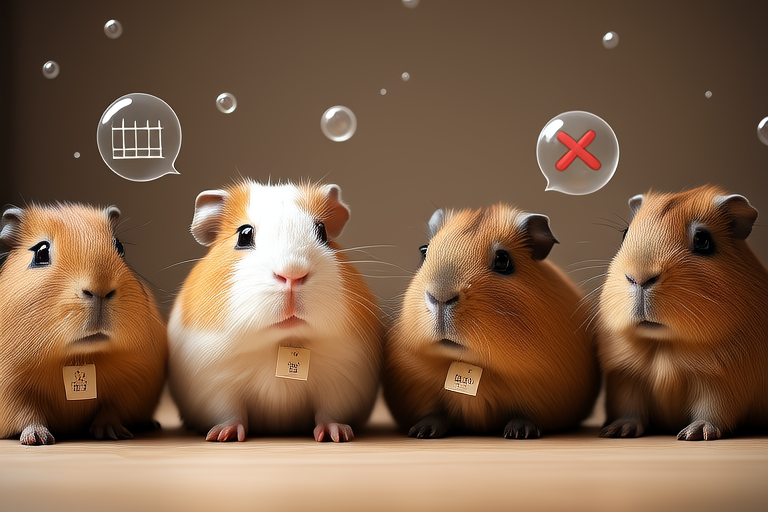
Top 5 Myths About Guinea Pigs Debunked Once and For All
Guinea pigs, also known as cavies, have been cherished as pets for centuries. Their gentle nature, coupled with their entertaining behaviors, makes them a favorite among animal lovers. These small rodents are popular in households around the world, with many families finding joy in their companionship. Despite their widespread appeal, several misconceptions persist regarding guinea pigs. This article aims to debunk five of the most common myths surrounding these delightful creatures.
Myth 1: Guinea Pigs Are Low-Maintenance Pets
One of the most prevalent myths about guinea pigs is that they are easy to care for. While it’s true that guinea pigs are generally hardy animals, they require a significant amount of attention and care to thrive. Unlike some other pets, guinea pigs cannot survive on a minimalistic diet of pellets alone. They need a balanced diet that includes fresh vegetables, hay, and fruits to maintain optimal health.
Studies have shown that a lack of proper nutrition can lead to various health issues, including dental problems, obesity, and digestive disorders. Therefore, it’s crucial to provide your guinea pig with a variety of high-quality foods and ensure they always have access to clean water. Additionally, regular grooming and cleaning of their living space are necessary to prevent infections and keep them comfortable.
Myth 2: Guinea Pigs Can Be Kept Alone
Another misconception is that guinea pigs can be kept solitary. In reality, guinea pigs are social animals that thrive in the company of others. They are herd animals in the wild, and keeping them alone can lead to feelings of loneliness and stress. A single guinea pig may become depressed, exhibit behavioral changes, or even lose interest in eating.
Experts recommend keeping at least two guinea pigs together to ensure they have companionship. When selecting cage mates, it’s essential to introduce them gradually under supervision to avoid conflicts. Proper socialization can enhance their quality of life, making them happier and healthier pets.
Myth 3: Guinea Pigs Don’t Need Exercise
It’s often believed that because guinea pigs are small, they don’t need much exercise. However, just like any other animal, guinea pigs require physical activity to stay healthy. Lack of exercise can result in obesity, muscle atrophy, and behavioral issues. Providing ample space for your guinea pig to run and play is vital.
Experts suggest setting up an exercise area within the home where your pet can explore safely. This area should be free from hazards such as electrical cords and toxic plants. Regular exercise not only keeps guinea pigs physically fit but also stimulates their mental well-being, reducing the risk of boredom-induced destructive behavior.
Myth 4: Guinea Pigs Are Noiseless
Many people assume that guinea pigs are silent pets, which isn’t entirely accurate. While they aren’t as vocal as some other animals, guinea pigs do communicate through various sounds. They make chirping noises when they’re excited or want attention, squeaking when they’re scared or in pain, and purring when they’re content.
Understanding these vocalizations can help you better interpret your guinea pig’s needs and emotions. Paying attention to their sounds can also alert you to potential health issues early on. For instance, if your guinea pig is making unusual noises, it might indicate discomfort or illness, prompting you to seek veterinary assistance promptly.
Myth 5: Guinea Pigs Are Short-Lived Pets
The lifespan of a guinea pig is often underestimated. Many believe that these pets only live for a couple of years. In fact, with proper care, guinea pigs can live between 5 to 7 years, sometimes even longer. Factors influencing their longevity include genetics, diet, environment, and overall care.
To ensure your guinea pig lives a long and healthy life, provide them with a nutritious diet, a clean living environment, and regular veterinary check-ups. Early detection and treatment of health problems can significantly extend their lifespan. By giving them the best possible care, you can enjoy many years of companionship with your pet.
Tips for Potential Guinea Pig Owners
If you’re considering adding a guinea pig to your family, here are some tips to help you provide the best care:
- Proper Housing: Choose a spacious cage with adequate ventilation and bedding material. The cage should be large enough to allow your guinea pig to move around comfortably.
- Nutritious Diet: Feed your guinea pig a balanced diet consisting of hay, fresh vegetables, and a small amount of pellets. Avoid feeding them too many treats, as this can lead to weight gain and other health issues.
- Regular Grooming: Brush your guinea pig regularly to remove loose fur and prevent matting. This also helps reduce the risk of hairballs, which can cause digestive problems.
- Social Interaction: Spend time interacting with your guinea pig daily. Play with them, talk to them, and give them plenty of attention. Social interaction is essential for their emotional well-being.
- Veterinary Care: Schedule routine visits to the veterinarian to ensure your guinea pig remains healthy. Vaccinations and preventive treatments can protect them from diseases.
Owning a guinea pig can be a rewarding experience, but it comes with responsibilities. By understanding the truth behind common myths and following these tips, you can provide your pet with a happy and healthy life. Remember, a well-cared-for guinea pig will bring endless joy and companionship into your home.
