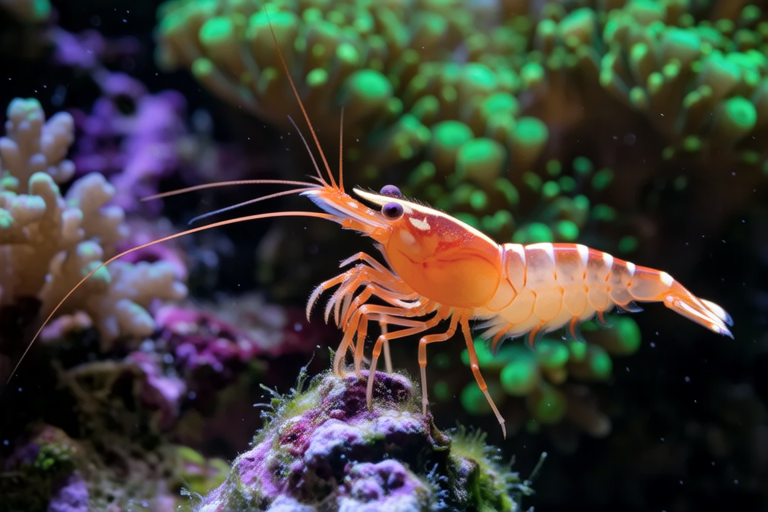
Coral Shrimp: The Secret to a Thriving Reef Tank Ecosystem
For many aquarium enthusiasts, creating a thriving reef tank is both an art and a science. A well-maintained reef tank can be a stunning display of marine life, showcasing the beauty and complexity of underwater ecosystems. One key player in maintaining this delicate balance is the coral shrimp. These small, colorful crustaceans play a vital role in keeping your reef tank healthy and vibrant. In this article, we will explore the world of coral shrimp, their dietary habits, behaviors, and how they contribute to water quality and algae control. We will also provide guidance on setting up a suitable environment for them and offer tips for beginners on integrating coral shrimp into their reef tanks.
The Role of Coral Shrimp in Reef Tanks
Coral shrimp are essential for the health and stability of a reef tank ecosystem. They are known for their cleaning activities, which help maintain the cleanliness of corals and other sessile organisms. By removing detritus, algae, and dead tissue from corals, these shrimp ensure that the corals receive adequate light and nutrients. This cleaning process not only benefits the corals but also improves the overall water quality by reducing organic waste. Additionally, coral shrimp contribute to the nitrogen cycle by consuming uneaten food particles and breaking down organic matter, which helps prevent harmful ammonia spikes.
Dietary Needs of Coral Shrimp
Understanding the dietary needs of coral shrimp is crucial for their survival and effectiveness in a reef tank. While they primarily feed on detritus and algae, coral shrimp also consume small planktonic organisms and organic debris. To support their nutritional requirements, it is recommended to provide a balanced diet that includes high-quality flake foods, pellets, and occasional supplements like spirulina. Ensuring a consistent supply of food will keep the shrimp active and engaged in their cleaning duties, thereby enhancing the health of your reef tank.
Behavior and Interaction with Other Marine Life
Coral shrimp are generally peaceful and non-aggressive, making them ideal inhabitants for reef tanks. Their behavior revolves around their cleaning activities, where they meticulously clean corals, rocks, and other surfaces within the tank. They are known to form symbiotic relationships with certain species of fish and invertebrates, providing mutual benefits. For instance, some fish species may benefit from the shrimp’s cleaning services, while the shrimp gain protection from larger predators. It is important to select compatible tank mates that won’t harm the shrimp, such as small, docile fish and invertebrates.
Contribution to Water Quality and Algae Control
One of the most significant contributions of coral shrimp to a reef tank is their role in maintaining water quality. By actively scavenging for detritus and uneaten food, they help reduce the accumulation of organic waste, which can lead to poor water quality if left unchecked. Their presence also aids in controlling algae growth, as they graze on algae and prevent it from overgrowing on corals and other surfaces. This helps create a more stable and visually appealing environment for both the shrimp and other marine life in the tank.
Suitable Tank Conditions for Coral Shrimp
To ensure the well-being of coral shrimp and maximize their contribution to your reef tank, it is essential to provide suitable tank conditions. Coral shrimp thrive in environments with stable water parameters, including temperature, pH, and salinity levels. The ideal temperature range for coral shrimp is between 74°F and 82°F (23°C to 28°C), with a pH level between 8.1 and 8.4. Maintaining these parameters will promote optimal growth and activity of the shrimp. Additionally, providing ample hiding spots and areas for them to graze on algae and detritus will enhance their comfort and productivity.
Tips for Beginners: Integrating Coral Shrimp into Your Reef Tank
Integrating coral shrimp into your reef tank successfully requires careful planning and attention to detail. Here are some tips for beginners:
- Quarantine Period: Before introducing coral shrimp into your main tank, it is advisable to quarantine them for a period of two weeks to monitor their health and ensure they are free from diseases or parasites.
- Gradual Introduction: Gradually acclimate the shrimp to the water parameters of your reef tank by slowly adding small amounts of tank water to the quarantine container over time.
- Compatible Tank Mates: Choose tank mates that are compatible with coral shrimp, avoiding aggressive or predatory species that may harm them.
- Regular Feeding: Feed the shrimp regularly with a varied diet to keep them healthy and active. This will encourage them to perform their cleaning duties effectively.
- Monitoring Water Parameters: Regularly test and maintain the water parameters to ensure they remain within the optimal range for coral shrimp and other inhabitants.
Conclusion
Coral shrimp are invaluable additions to any reef tank, contributing significantly to the health and aesthetics of the ecosystem. Their cleaning activities, dietary habits, and interactions with other marine life make them indispensable for maintaining a thriving reef tank. By understanding their needs and providing suitable tank conditions, you can ensure that coral shrimp thrive and continue to play their vital role in your aquatic paradise. With proper care and attention, coral shrimp will become an integral part of your reef tank, bringing joy and beauty to your underwater world.
