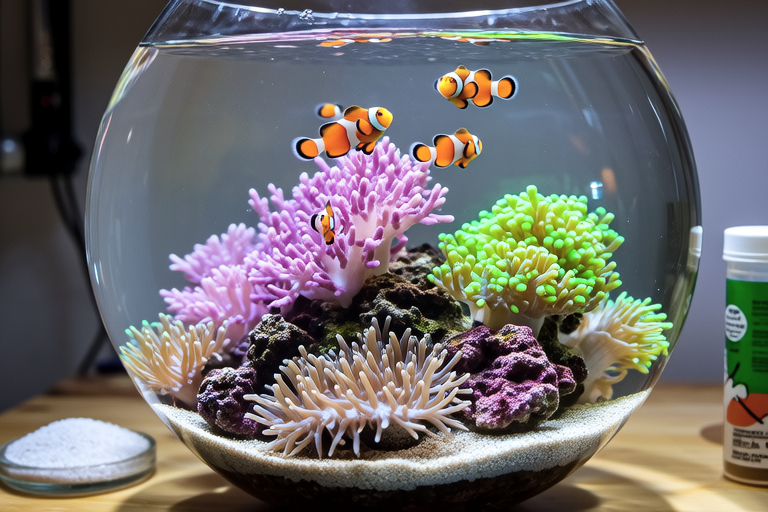
How to Set Up the Perfect Saltwater Aquarium for Your Clownfish Pet
Introduction to Clownfish Care
Welcome to the wonderful world of saltwater aquariums! If you’re thinking about adding a splash of color and fun to your home with a clownfish, you’ve made a great choice. Clownfish, known for their vibrant orange and white stripes and their association with sea anemones, are popular among both beginners and experienced aquarists. However, setting up a perfect saltwater aquarium for these fish requires careful planning and preparation. This guide will walk you through everything you need to know to ensure your clownfish thrive in their new home.
Necessary Equipment
Tank Size
The first step in creating the perfect environment for your clownfish is choosing the right tank size. A minimum tank size of 30 gallons is recommended for a single clownfish, but if you plan to keep multiple clownfish or other marine species, a larger tank is advisable. Larger tanks provide more stability in water conditions and offer more space for your fish to swim and explore.
Filtration System
A high-quality filtration system is crucial for maintaining water quality. Look for a filter that provides mechanical, biological, and chemical filtration. Mechanical filtration removes debris and waste, biological filtration supports beneficial bacteria that break down harmful substances, and chemical filtration helps absorb dissolved organic compounds. Ensure the filter can handle the volume of your tank effectively.
Lighting
Proper lighting is vital for the health of your clownfish and any live plants or corals in your aquarium. Use full-spectrum LED lights that mimic natural sunlight. These lights should be on for approximately 8-10 hours per day, providing a consistent light cycle to help regulate your fish’s circadian rhythms.
Water Parameters
Temperature
Maintaining the correct temperature is essential for your clownfish’s well-being. The ideal temperature range for clownfish is between 76°F and 82°F (24°C to 28°C). Invest in a reliable heater and thermometer to monitor and control the temperature accurately.
Salinity
Clownfish require a specific gravity of around 1.020 to 1.025. Use a hydrometer to measure the salinity and adjust it as needed. Regularly check the salinity to ensure it remains within this range.
pH
The optimal pH level for clownfish is between 8.1 and 8.4. Consistent pH levels are important for the overall health of your aquarium inhabitants. Test the pH regularly and make adjustments if necessary.
Habitat Setup
Live Rocks
Adding live rocks to your aquarium provides a natural environment and encourages beneficial bacteria growth. Live rocks also offer hiding spots and surfaces for algae and microorganisms, which can serve as food sources for your clownfish. Arrange the rocks carefully to create caves and crevices where your fish can feel secure.
Plants
While clownfish do not typically eat plants, incorporating some marine-safe aquarium plants can enhance the aesthetic appeal of your tank. Choose hardy, low-maintenance species like Caulerpa or Halimeda. Be cautious when selecting plants, ensuring they are compatible with saltwater environments.
Hiding Spots
Clownfish are naturally shy and prefer having places to hide. In addition to live rocks, consider adding PVC pipes, artificial caves, or other structures specifically designed for aquarium use. Providing ample hiding spots will help reduce stress and encourage your clownfish to come out and explore.
Feeding Guidelines
Clownfish are omnivorous and have diverse dietary needs. Feed them a balanced diet consisting of high-quality flake foods, frozen foods like brine shrimp and mysis shrimp, and occasional supplements such as spirulina-based pellets. Feed your clownfish small amounts several times a week, ensuring they consume all the food within a few minutes to prevent uneaten food from polluting the water.
Disease Prevention
To keep your clownfish healthy, it’s important to maintain pristine water conditions. Regular water changes, proper filtration, and a balanced diet are key preventive measures. Quarantine new fish before introducing them to your main tank to avoid bringing in diseases. Monitor your clownfish closely for signs of illness, such as lethargy, loss of appetite, or unusual behavior, and take prompt action if issues arise.
Regular Maintenance Tips
Perform weekly water changes of about 10-15% to remove accumulated toxins and replenish essential minerals. Clean the filter media and replace it as needed. Check and clean the glass regularly to prevent algae buildup. Regular maintenance ensures a stable and healthy environment for your clownfish.
Common Mistakes to Avoid
One common mistake is overstocking the tank, which can lead to poor water quality and stress for your fish. Another frequent error is neglecting to quarantine new fish, potentially introducing diseases to your established tank. Always research thoroughly before adding new species or making significant changes to your aquarium setup.
By following these guidelines, you’ll be well on your way to creating a thriving environment for your clownfish. Enjoy the rewarding experience of watching your fish grow and flourish in their new home.
