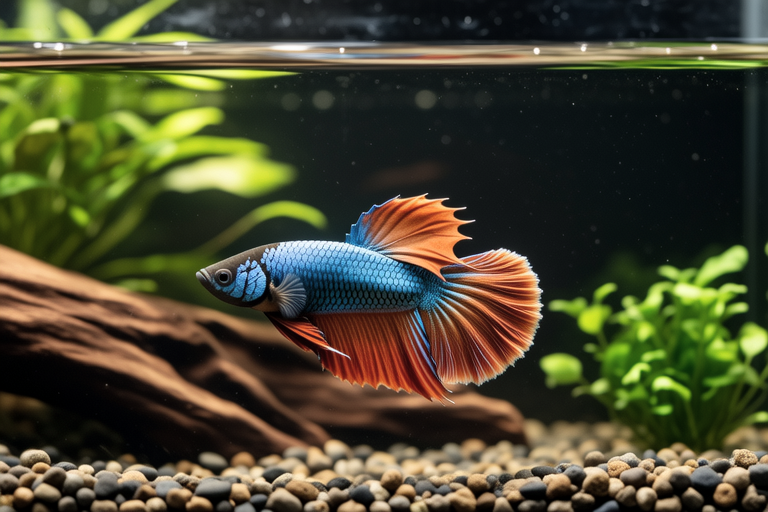
The Ultimate Guide to Creating a Perfect Habitat for Your Betta
Creating the perfect habitat for your betta fish is crucial for their health and happiness. Bettas are colorful, lively fish that can add beauty to any home aquarium. However, they have specific needs that must be met to thrive. This guide will walk you through every aspect of setting up an ideal living space for your betta, from choosing the right tank size to maintaining optimal water conditions.
Selecting the Right Tank Size
The first step in creating a perfect habitat for your betta is selecting the right tank size. Many people believe that bettas can live happily in small containers, but this is far from true. While bettas can survive in smaller spaces, they do best in environments that allow them to swim freely. A minimum tank size of 5 gallons is recommended for bettas. Larger tanks provide more swimming space and help maintain better water quality, which is essential for the health of your fish.
Appropriate Water Parameters (Temperature, pH)
Maintaining the correct water parameters is vital for your betta’s well-being. The ideal temperature range for betta water is between 76°F and 82°F. You can use a heater to regulate the temperature if necessary. Additionally, bettas prefer slightly acidic water with a pH level between 6.5 and 7.5. Regularly testing the water with a reliable test kit will ensure these parameters are maintained.
Filtration Systems
Investing in a proper filtration system is one of the most important aspects of setting up your betta’s habitat. Filtration helps keep the water clean by removing waste and harmful substances. For a 5-gallon tank, a hang-on-back or sponge filter is usually sufficient. Avoid filters with strong currents as bettas are not strong swimmers and may struggle against strong water flow.
Lighting
Proper lighting is essential for both the aesthetics of your aquarium and the overall health of your betta. Lighting helps promote the growth of any live plants you might include in the tank and can also enhance the vibrant colors of your fish. LED lights are popular choices for aquariums due to their energy efficiency and variety of color options. Aim for about 8-10 hours of light per day to mimic natural daylight cycles.
Substrate Choices
The substrate, or bottom layer of your tank, serves both aesthetic and functional purposes. Gravel, sand, and specialized betta substrates are all suitable options. Gravel is easy to clean and comes in various sizes and colors, while sand provides a softer surface for your betta to rest on. Ensure that the substrate particles are large enough so that your betta cannot accidentally ingest them when eating.
Decorations and Hiding Spots
Bettas enjoy having places to hide and explore within their environment. Decorative items such as caves, castles, and artificial plants can create interesting hiding spots for your betta. Real plants can also serve this purpose while providing additional benefits like oxygenating the water and absorbing nitrates. Just make sure that decorations do not have sharp edges that could harm your fish.
Beneficial Plants
Including live plants in your betta’s habitat offers numerous advantages. Not only do they add visual appeal, but they also contribute to the ecological balance of the tank by producing oxygen during photosynthesis and absorbing carbon dioxide and other pollutants. Some good plant choices for betta tanks include java fern, anubias, and microsorum. These plants are hardy and can thrive even in low-light conditions.
Regular Maintenance Tips
To ensure your betta remains healthy and happy, regular maintenance is key. Perform weekly partial water changes, typically around 25% of the total volume, to remove accumulated toxins and refresh the water. Clean the filter media regularly to prevent clogs and maintain efficient filtration. Also, check the temperature, pH, and ammonia levels periodically to catch any potential issues early.
Common Mistakes to Avoid
Several common mistakes should be avoided when setting up a betta habitat:
- Overcrowding: Avoid placing too many fish in one tank. Bettas are territorial and can become stressed if they feel overcrowded.
- Improper Feeding: Overfeeding can lead to poor water quality and obesity in your betta. Feed your betta twice daily, offering only what it can consume within a couple of minutes.
- Ignoring Water Changes: Failing to perform regular water changes can result in unhealthy water conditions that may cause stress and disease.
- Incorrect Tank Setup: Setting up the tank incorrectly, such as not properly cycling the tank before adding fish, can expose your betta to harmful bacteria and chemicals.
By following these guidelines and avoiding common pitfalls, you’ll be able to create a thriving environment for your betta fish. Remember, a well-maintained habitat not only keeps your betta healthy but also enhances its vibrant colors and playful behavior.
