The Fascinating World of Leopard Geckos: Fun Facts You Didn’t Know
Leopard geckos have long been a favorite among reptile enthusiasts for their docile nature, vibrant colors, and ease of care. These small lizards, native to the arid regions of Pakistan, India, and Afghanistan, offer a fascinating glimpse into the world of reptiles. From their unique nocturnal habits to their specialized diets, there’s always something new to learn about these captivating creatures. This article will explore the many facets of leopard gecko life, including their behavior, habitat, diet, and care requirements, debunking common myths along the way.
Habitat and Natural Environment
Leopard geckos thrive in arid environments, where they can find shelter under rocks or in burrows during the day. They are primarily found in rocky deserts, scrublands, and grassy areas. These habitats provide ample hiding spots and protection from predators. In captivity, it’s essential to recreate this environment as closely as possible, ensuring your pet has plenty of places to hide and feel secure. A well-designed enclosure with appropriate substrate, decorations, and temperature gradients will help your gecko thrive.
Behavior and Social Structure
Leopard geckos are solitary animals that prefer to live alone. Unlike some other lizard species, they do not form social bonds or live in groups. While they may be housed together in captivity, it is crucial to monitor them closely for signs of aggression, as territorial disputes can occur. Leopard geckos are primarily nocturnal, meaning they are most active at night. During the day, they rest in cool, dark places to conserve energy. Their nocturnal lifestyle allows them to avoid the extreme heat of the desert during the day while hunting for food at night.
Diet and Nutrition
One of the most fascinating aspects of leopard gecko biology is their specialized diet. These lizards are insectivores, meaning their primary food source consists of insects. In the wild, they feed on crickets, mealworms, waxworms, and other small invertebrates. Captive leopard geckos should be fed a similar diet, with a focus on gut-loaded prey items that have been dusted with calcium and vitamin supplements. It’s important to avoid overfeeding, as obesity can lead to health problems. A balanced diet ensures optimal growth and longevity for your pet.
Unique Physical Traits
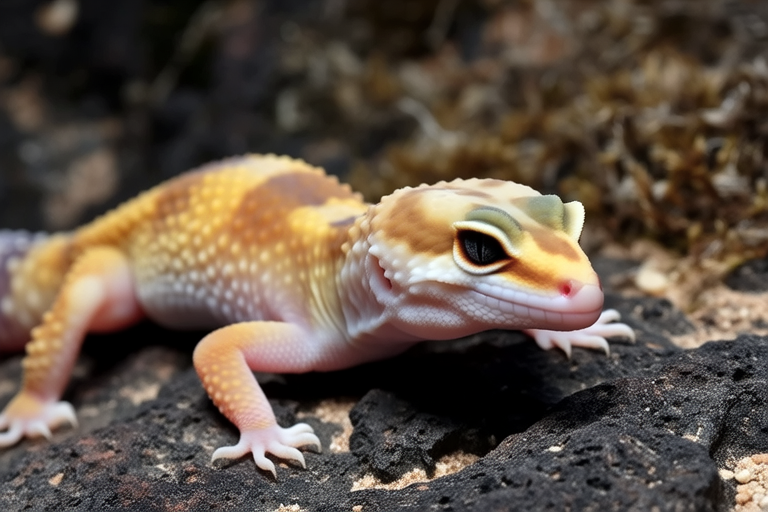
Leopard geckos possess several unique physical traits that set them apart from other lizards. One of the most notable features is their ability to autotomize, or shed, their tails when threatened. While the tail regenerates over time, it never fully returns to its original appearance. Another remarkable trait is their lack of eyelids; instead, they have a transparent scale called a spectacle that protects their eyes. Leopard geckos also have tiny claws that help them grip surfaces and climb, though they are not particularly adept climbers compared to other lizard species.
Misconceptions and Myths
Despite their popularity as pets, there are several misconceptions about leopard geckos that need to be addressed. One common myth is that they require frequent handling to become tame. While regular interaction can help build trust between you and your pet, it’s important to respect their natural tendencies and avoid overstimulation. Another misconception is that leopard geckos can survive solely on store-bought commercial foods. While these products can supplement their diet, they should not be the sole source of nutrition. Providing a variety of live insects ensures a balanced diet rich in nutrients.
Care Requirements
Proper care is essential for the health and well-being of your leopard gecko. A well-maintained enclosure provides a safe and comfortable environment for your pet. The ideal setup includes a glass or acrylic tank with a secure lid, appropriate substrate, and plenty of hiding spots. Temperature and humidity levels must be carefully controlled, with a gradient ranging from 78°F to 90°F (26°C to 32°C) during the day and slightly cooler temperatures at night. Humidity should be kept low, around 30-40%, to prevent respiratory issues.
Health and Wellness
Regular veterinary check-ups are crucial for maintaining your leopard gecko’s health. Signs of illness include loss of appetite, lethargy, weight loss, and abnormal feces. Common health issues include metabolic bone disease, caused by a lack of calcium, and respiratory infections, often due to improper humidity levels. Preventative measures such as proper diet, clean living conditions, and routine hygiene practices can help minimize the risk of these conditions. Early detection and treatment are key to successful recovery.
Tips for New Owners
If you’re considering adding a leopard gecko to your family, here are some tips to ensure you provide the best care possible:
- Research thoroughly: Before bringing your pet home, familiarize yourself with the specific needs of leopard geckos. Understanding their dietary requirements, housing preferences, and behavioral patterns will help you create a suitable environment.
- Choose the right enclosure: Select a tank size based on your gecko’s age and expected adult size. Provide adequate space for movement and exploration, along with plenty of hiding spots and climbing structures.
- Monitor temperature and humidity: Invest in reliable thermometers and hygrometers to maintain consistent environmental conditions. Regularly check and adjust settings as needed to prevent stress and illness.
- Provide a varied diet: Offer a diverse selection of live insects, ensuring each prey item is appropriately sized. Supplement their diet with calcium and vitamins to support overall health.
- Handle with care: While leopard geckos can tolerate gentle handling, it’s important to approach them calmly and avoid sudden movements. Always wash your hands before and after interacting with your pet to prevent the spread of bacteria.
By following these guidelines and staying informed about the latest research and best practices, you can provide a happy and healthy home for your leopard gecko. Remember, the more you learn about these fascinating creatures, the better equipped you’ll be to meet their needs and enjoy a rewarding relationship with your pet.
