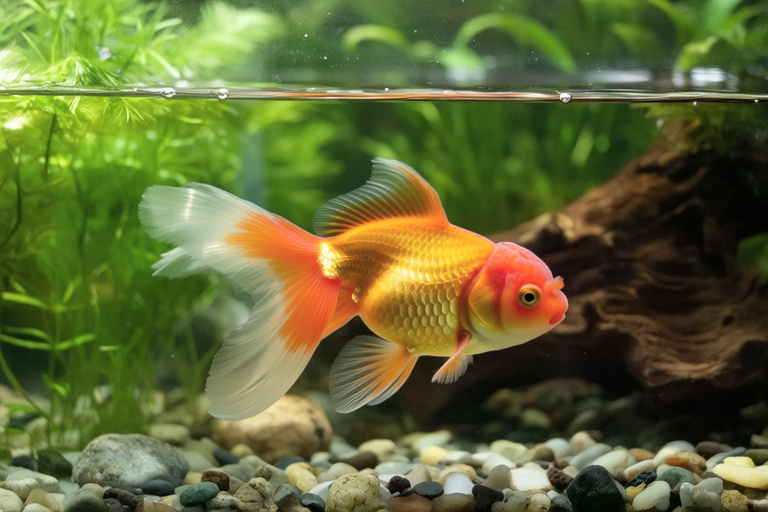
The Ultimate Guide to Creating an Oasis for Your Goldfish
Welcome to the world of goldfish keeping! These delightful creatures are popular among aquarists for their vibrant colors and graceful movements. However, providing the best possible living conditions for your goldfish requires careful planning and attention to detail. This comprehensive guide will walk you through every aspect of creating a thriving habitat for your goldfish.
Selecting the Right Tank Size
One of the most crucial decisions when setting up a goldfish aquarium is choosing the appropriate tank size. Goldfish are active swimmers and produce a significant amount of waste, so they need ample space to thrive. A general rule of thumb is to provide at least 20 gallons of water per goldfish. For a single goldfish, a 20-gallon tank is sufficient, but for multiple fish, consider larger tanks to accommodate their needs.
Filtration Systems
An efficient filtration system is vital for maintaining water quality and ensuring your goldfish’s health. Choose a filter that can handle at least four to six times the volume of your tank per hour. Undergravel filters, hang-on-back filters, and canister filters are popular choices. Ensure that your filter provides mechanical, biological, and chemical filtration to remove debris, promote beneficial bacteria growth, and neutralize toxins.
Water Quality Maintenance
Maintaining optimal water quality is essential for your goldfish’s well-being. Regular water changes are necessary to remove accumulated waste and toxins. Aim to change 25% of the water weekly, using a high-quality water conditioner to treat tap water and remove harmful chemicals. Test your water regularly for ammonia, nitrite, nitrate, pH, and hardness to ensure stable and safe parameters.
Appropriate Temperature and pH Levels
Goldfish prefer cooler water temperatures between 68°F and 74°F (20°C to 23°C). Avoid drastic temperature fluctuations by using a heater with a thermostat. The ideal pH range for goldfish is between 6.5 and 8.0. While they can tolerate slightly acidic or alkaline conditions, maintaining a stable pH level is crucial for their health.
Beneficial Plants
Incorporating live plants into your goldfish tank offers numerous benefits. Plants oxygenate the water, provide hiding spots, and help maintain water clarity. Hardy plant species like Java fern, Anubias, and Amazon sword are excellent choices for goldfish tanks. Be cautious with fast-growing plants, as goldfish may nibble on them. Floating plants like duckweed also provide shade and cover for your fish.
Ideal Substrate Options
The choice of substrate can significantly impact the appearance and functionality of your goldfish tank. Gravel or sand are popular substrate options, offering a natural look and allowing for easy cleaning. Avoid sharp-edged substrates that could harm your fish. Some aquarists prefer bare-bottom tanks for easier maintenance, especially if they have bottom-dwelling fish like goldfish.
Necessary Equipment: Heaters and Air Pumps
A reliable heater ensures stable water temperatures, which is particularly important during colder months. Select a heater that can maintain the desired temperature range and place it near the filter intake to prevent hotspots. An air pump provides additional oxygenation and helps circulate water, enhancing the overall health of your goldfish.
Proper Feeding Techniques
Feeding your goldfish properly is key to their longevity and vitality. Offer high-quality, nutrient-rich flakes or pellets designed specifically for goldfish. Supplement their diet with occasional treats like blanched vegetables, bloodworms, or brine shrimp. Feed your goldfish small portions two to three times daily, avoiding overfeeding, which can lead to poor water quality and health issues.
Common Health Issues
Despite your best efforts, goldfish may still encounter health problems. Common issues include fin rot, swim bladder disorders, and parasites. Fin rot manifests as frayed or discolored fins and can be treated with antibiotics or antifungal medications. Swim bladder disorders cause buoyancy problems and may require dietary adjustments or medication. Regular observation and prompt action can prevent minor issues from becoming severe.
Creating a Stimulating Environment
To keep your goldfish mentally and physically stimulated, incorporate various elements into their tank. Provide hiding spots with caves, tunnels, or dense vegetation. Floating objects like ping-pong balls or plastic plants offer entertainment and exercise opportunities. Rotate decorations periodically to keep the environment interesting and engaging for your fish.
Expert Advice
Consult experienced aquarists or local pet stores for personalized advice tailored to your specific setup. They can offer valuable insights on selecting compatible tank mates, troubleshooting common problems, and optimizing your goldfish’s habitat. Join online forums or local hobbyist groups to connect with fellow enthusiasts and exchange knowledge.
By following these guidelines and dedicating time to understanding your goldfish’s needs, you can create a thriving oasis where your goldfish will flourish. Remember that goldfish are sensitive to their environment, so continuous monitoring and proactive care are essential for their long-term well-being.
