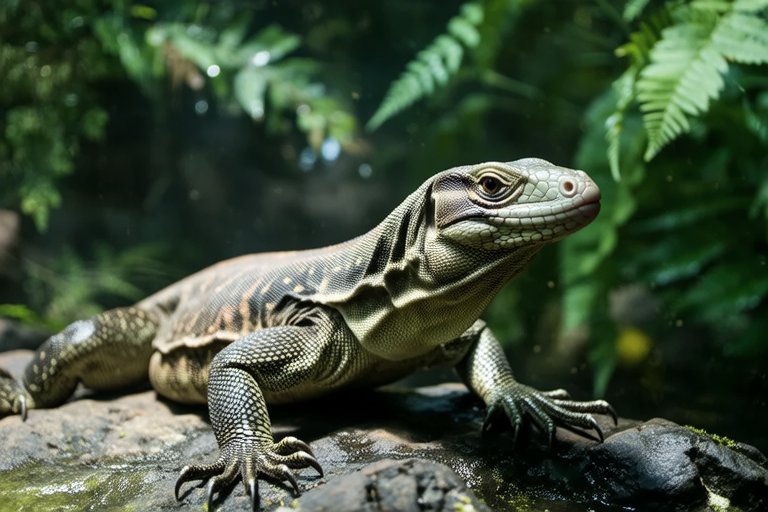
Discover the Magnificent Water Monitor: A Complete Guide for Owners
The water monitor (Varanus salvator) is one of the most fascinating reptiles in the world. Known for its impressive size, agility, and adaptability, this species has captivated reptile enthusiasts for decades. With a natural range that spans from India to Southeast Asia, water monitors are highly adaptable creatures, thriving in diverse environments. This comprehensive guide will cover everything you need to know about these magnificent lizards, from their unique characteristics to care tips and the commitment required for ownership.
Introduction: The Unique Characteristics of Water Monitors
Water monitors are known for their sleek, muscular bodies, which can grow up to 3 meters (9.8 feet) in length. Their tails are long and powerful, making them excellent swimmers. They have sharp claws and strong jaws, which they use for hunting and defense. Water monitors are highly intelligent and curious, often exploring their surroundings with great interest. Their coloration can vary widely, ranging from olive green to brown, with some individuals displaying striking patterns or stripes. These lizards are also known for their ability to run quickly on land and swim efficiently in water.
Diet and Feeding
Water monitors are carnivorous and require a varied diet to ensure optimal health. In the wild, they eat a wide range of prey, including insects, small mammals, birds, fish, and even carrion. As pets, they should be fed a diet that mimics their natural diet as closely as possible. Younger monitors should be fed daily, while adults can be fed every other day. Suitable food items include mice, rats, chicks, feeder fish, and insects such as crickets and mealworms. It’s important to offer a variety of prey items to provide essential nutrients. Additionally, supplements such as calcium and vitamins should be dusted onto their food to prevent nutritional deficiencies.
Habitat Requirements
Water monitors require a large, well-ventilated enclosure that allows for ample space to move around. The enclosure should be at least 6 feet long, 3 feet wide, and 4 feet high for a full-grown adult. The substrate should be non-toxic and easy to clean, such as reptile-safe sand or coconut fiber. Providing a water dish large enough for the monitor to soak in is essential, as these lizards spend a significant amount of time in water. The water should be changed regularly to maintain cleanliness. Additionally, it’s important to provide climbing structures, branches, and hides to allow the monitor to exhibit natural behaviors.
Appropriate Enclosure Setup
The enclosure should be equipped with a heat source, such as a basking lamp or ceramic heat emitter, to create a temperature gradient within the enclosure. The warm end should reach approximately 95°F (35°C), while the cool end can be around 75°F (24°C). A UVB light is also necessary to provide essential vitamin D3 synthesis. The lighting cycle should mimic a natural day-night cycle, typically 12 hours on and 12 hours off. Regular cleaning and maintenance of the enclosure are crucial to ensure the health and well-being of your monitor.
Care Tips
Water monitors are active and energetic lizards that require regular interaction and environmental enrichment. Providing toys, puzzles, and new objects to explore can help keep them mentally stimulated. It’s important to handle your monitor gently and consistently to build trust. Start by allowing them to become comfortable with your presence before attempting to pick them up. Always support their body when handling, as dropping a monitor can cause injury. Regular veterinary check-ups are recommended to monitor your monitor’s health and address any potential issues early.
Handling Advice
When handling your water monitor, it’s important to approach them calmly and confidently. Gently extend your hand towards them, allowing them to sniff and get used to your scent. Once they are comfortable, you can slowly and carefully pick them up, supporting their body with both hands. Avoid sudden movements or startling them, as this can lead to defensive behavior. Regular handling sessions can help build a bond between you and your monitor, but always prioritize their comfort and safety.
Common Health Issues
Water monitors are generally hardy animals, but they can still suffer from various health issues if not properly cared for. Respiratory infections can occur if the enclosure is too cold or damp. Signs of respiratory infection include wheezing, nasal discharge, and lethargy. Metabolic bone disease can result from insufficient calcium or vitamin D3, leading to weak bones and difficulty moving. Parasites, such as mites or worms, can also be a problem, causing weight loss, diarrhea, and lethargy. Regular veterinary check-ups and proper husbandry practices can help prevent these issues.
The Commitment Required for Owning a Water Monitor
Owning a water monitor is a significant commitment that requires dedication and resources. These lizards can live for over 10 years, so it’s important to consider the long-term responsibility involved. They require a large, specialized enclosure and a varied diet to thrive. Regular maintenance, cleaning, and veterinary care are necessary to ensure their health and well-being. Additionally, water monitors can be unpredictable and may exhibit defensive behavior if mishandled. Prospective owners should thoroughly research and prepare themselves for the challenges and rewards of owning one of these magnificent reptiles.
In conclusion, water monitors are fascinating and rewarding pets for those willing to commit to their care. By providing a suitable habitat, a balanced diet, and regular attention, you can enjoy a long and fulfilling relationship with these remarkable lizards. Whether you’re a seasoned reptile enthusiast or a first-time owner, the water monitor’s intelligence, adaptability, and beauty make them a captivating addition to any collection.
