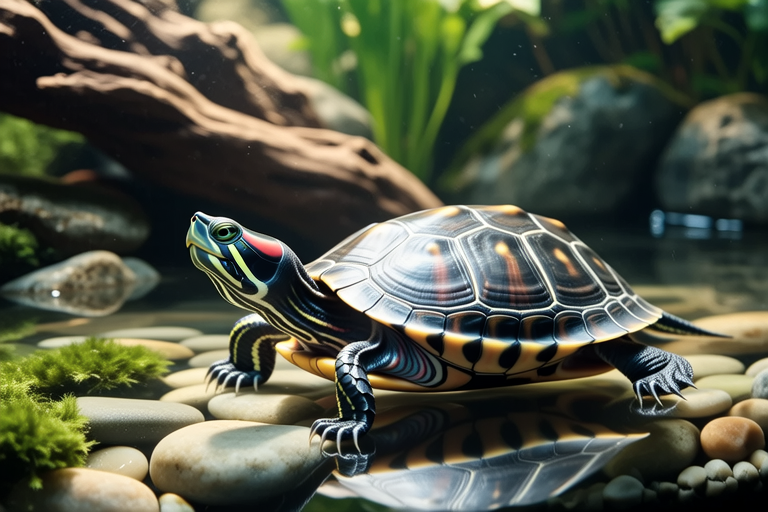
The Ultimate Red-eared Slider Habitat Setup Checklist for Pet Owners
Red-eared sliders (Trachemys scripta elegans) are popular aquatic turtles that require specific environmental conditions to thrive. This comprehensive guide will walk you through setting up an ideal habitat for your red-eared slider, ensuring it lives a long and healthy life.
Tank Size Requirements
The size of the tank is crucial for the health and comfort of your turtle. A juvenile red-eared slider requires at least 10 gallons of water per inch of shell length. As they grow, the tank size should increase accordingly. An adult turtle needs a minimum of 60-80 gallons of water per inch of shell length. For example, a fully grown red-eared slider with a 10-inch shell would need approximately 600-800 gallons of water. The larger space mimics their natural environment, allowing them to swim and explore comfortably.
Water Quality Maintenance
Maintaining clean water is essential for your turtle’s health. Regularly check the pH levels, ammonia, and nitrite levels. A pH level between 6.5 and 8.0 is ideal. Ammonia and nitrite levels should be zero. Use a water conditioner to remove chlorine and chloramines from tap water before adding it to the tank. Perform weekly water changes, replacing 25% of the water, and more frequently if necessary. This ensures a stable and healthy environment for your turtle.
Heating and Lighting Specifications
Red-eared sliders need UVB lighting to synthesize vitamin D3, which aids calcium absorption for strong shells and bones. Provide a UVB light source over the basking area for 10-12 hours daily. Additionally, maintain water temperatures between 75°F and 80°F using submersible heaters. Install a thermostat to regulate the temperature and prevent overheating. These conditions replicate their natural habitat, where they bask under the sun and swim in warm waters.
Basking Area Setup
A basking area is vital for your turtle’s health. It should cover 25-30% of the tank’s surface and provide a dry spot for the turtle to rest. Use a flat rock or specially designed turtle dock with a sloping ramp for easy access. Position the basking area under the UVB light to facilitate proper vitamin D3 synthesis. Ensure the area is heated to 90-95°F to encourage natural behaviors and promote healthy growth.
Filtration Systems
Select a high-quality filter that can handle the tank’s volume and meets the manufacturer’s recommended flow rate. Filters help maintain water quality by removing debris, uneaten food, and waste products. Choose a filter with adjustable flow rates to avoid overwhelming the turtle. Regularly clean and maintain the filter to ensure optimal performance and longevity. Proper filtration prevents harmful bacteria and toxins from accumulating in the water.
Substrate Options
The substrate choice affects water quality and your turtle’s health. Avoid using gravel or small stones, as they can be ingested accidentally. Instead, opt for large, smooth river rocks or a bare-bottom tank. If you prefer a more natural look, consider using aquarium-safe sand. Ensure any substrate is safe for ingestion and won’t harm your turtle. A suitable substrate helps create a comfortable and aesthetically pleasing environment for your pet.
Dietary Considerations
Feed your red-eared slider a balanced diet rich in proteins, vitamins, and minerals. Offer commercial turtle pellets, supplemented with fresh vegetables like romaine lettuce, kale, and collard greens. Occasionally provide live or frozen feeder fish, earthworms, and crickets. Ensure a varied diet to meet all nutritional needs. Feed juveniles daily, reducing the frequency to every other day for adults. Overfeeding can lead to obesity and other health issues. A proper diet supports overall health and longevity.
Safety Measures
Prevent your turtle from escaping by securing the tank lid with a lockable latch. Ensure there are no gaps or openings where the turtle could squeeze through. Keep the tank away from direct sunlight and heat sources to prevent overheating. Avoid placing the tank near windows or doors where drafts could chill the water. These precautions protect your pet from potential hazards and ensure a stable living environment.
Monitoring and Maintaining the Habitat
Regularly observe your turtle’s behavior and appearance for signs of illness or distress. Check the water quality parameters weekly and adjust the filtration system as needed. Inspect the basking area and substrate for wear and tear, replacing any damaged items promptly. Clean the tank thoroughly every few months, removing algae and accumulated waste. By staying vigilant and proactive, you can ensure your turtle remains healthy and happy.
In conclusion, creating a suitable habitat for your red-eared slider involves careful consideration of various factors. By following this comprehensive checklist, you’ll provide your pet with an environment that closely mirrors its natural habitat, promoting a long and healthy life. Remember, a well-cared-for turtle is a joy to have as a companion.
